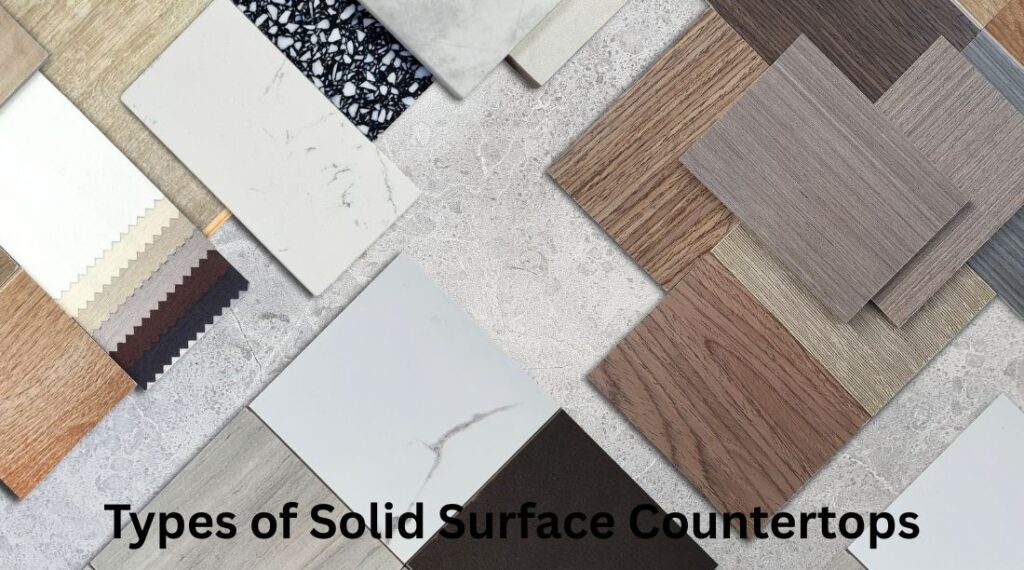
When it comes to upgrading your kitchen or bathroom, few decisions carry as much weight as choosing the right countertop material. Among the many options available in today’s market, solid surface countertops have emerged as one of the most versatile, durable, and aesthetically pleasing choices for both residential and commercial applications. Whether you are renovating a modest home kitchen or outfitting a high-end hospitality space, understanding the types of solid surface countertops available can make all the difference in achieving the look, functionality, and longevity you desire. This guide walks you through every major category, explaining what makes each one unique, where it performs best, and what you should consider before making a final purchase decision.
What Are Solid Surface Countertops?
Solid surface countertops are man-made surfacing materials composed of a blend of acrylic, polyester resins, and natural minerals such as alumina trihydrate. Unlike laminate, which is a thin decorative layer bonded to a substrate, solid surface materials are consistent all the way through. This homogenous construction means that scratches, chips, and minor damage can often be sanded or buffed out without leaving a visible scar on the surface. The seamless nature of solid surface allows fabricators to create virtually invisible joints between sections, producing a smooth, continuous look that is extremely difficult to achieve with stone or tile. Developed initially by DuPont under the Corian brand in the late 1960s, solid surface technology has evolved dramatically over the decades, giving rise to numerous product lines, formulations, and design possibilities. Today, dozens of manufacturers around the world produce their own versions, each with slightly different compositions, textures, and performance characteristics that cater to a wide variety of tastes and project requirements.
Main Types of Solid Surface Countertops
The world of solid surface is broader than many homeowners initially realize. While the term is sometimes used loosely to describe any non-stone countertop, there are genuinely distinct categories within the solid surface family. Each type has its own composition, visual appeal, maintenance profile, and ideal use case. Getting familiar with these distinctions will help you communicate more confidently with fabricators and suppliers, and ensure that the material you select truly matches your lifestyle and design vision.
Acrylic-Based Solid Surface
Acrylic-based solid surface is the most widely recognized and commercially dominant form of solid surface material on the market. Products under this category are composed primarily of acrylic resin combined with mineral fillers, resulting in a non-porous, smooth surface that resists moisture, bacteria, and staining with remarkable efficiency. The flexibility of acrylic as a base material allows manufacturers to thermoform sheets into curves, bowls, and integrated sinks without seams, making it especially popular in modern bathroom vanities and contemporary kitchen designs. Brands such as Corian by DuPont, HI-MACS by LG, and Staron by Samsung Cheil Industries fall under this classification. Acrylic solid surface countertops come in hundreds of color options ranging from pure whites and subtle stone-mimicking patterns to bold, solid hues. They are relatively easy to repair, renewable through sanding, and resistant to most household chemicals, which makes them a practical choice for busy family kitchens and high-traffic commercial settings alike. Their slightly warmer feel compared to natural stone and the absence of grout lines make them particularly appealing in spaces where hygiene and seamless aesthetics are a priority.
Polyester-Based Solid Surface
Polyester-based solid surface countertops are manufactured using unsaturated polyester resins as the binding agent instead of acrylic. These materials are generally more affordable to produce, which often makes them available at a lower price point in retail and wholesale markets. However, the trade-off for cost savings can come in the form of slightly reduced flexibility and a greater susceptibility to yellowing over time, particularly when exposed to prolonged UV light. Polyester solid surface tends to be more rigid than its acrylic counterpart, which limits some of the thermoforming capabilities that make acrylic so versatile in complex design applications. Despite this, polyester-based materials remain a popular entry-level option among budget-conscious homeowners who still want the non-porous, easy-to-clean benefits that define the solid surface category. They are commonly used in rental properties, commercial break rooms, and institutional settings where appearance is important but the budget for premium materials is constrained. When maintained properly and kept out of direct sunlight, polyester solid surface countertops can still offer many years of reliable performance.
Blended Acrylic-Polyester Solid Surface
Many manufacturers have found a productive middle ground by blending acrylic and polyester resins together in varying ratios to balance cost, flexibility, and performance. The resulting material attempts to capture the best qualities of both compounds, offering better UV stability and thermoformability than pure polyester while remaining more cost-effective than 100% acrylic formulations. The blend ratio significantly influences the final product’s quality, so it is important to ask suppliers about composition percentages when comparing options. Products in this category are widely available across price ranges and suit a broad spectrum of residential and light commercial applications. Homeowners who want more design flexibility than a basic polyester product provides, but cannot stretch their budget to a premium acrylic brand, often find blended solid surface countertops to be a satisfying compromise. Fabricators working with blended materials report that the workability is generally good, and the end result, when properly installed and sealed at the seams, is visually indistinguishable from higher-end acrylic in most everyday settings.
Solid Surface Countertops Inspired by Natural Stone
One of the most exciting developments in the evolution of types of solid surface countertops has been the ability to replicate the visual complexity of natural stone without inheriting its maintenance challenges. Engineered quartz, while technically a distinct category from traditional solid surface, is often discussed alongside it because of its composite nature and non-porous qualities. It combines approximately 90 to 94 percent ground natural quartz crystals with polymer resins to create an exceptionally hard, scratch-resistant surface that mimics the depth and movement of granite, marble, and quartzite with stunning fidelity. Unlike natural granite, engineered quartz does not require periodic sealing, is far less likely to crack under thermal shock, and maintains a consistent pattern throughout the slab rather than varying unpredictably from piece to piece. Leading brands in this space include Caesarstone, Silestone, Cambria, and MSI Q Premium, each offering hundreds of designs that appeal to consumers who love the aesthetic of stone but prefer the practicality of an engineered material. These stone-inspired solid surface options have become enormously popular in high-end kitchen renovations, particularly among homeowners who want the appearance of luxury marble without the staining risk that real marble carries.
The Role of Solid Surface Manufacturers in Shaping the Industry
The diversity and quality of types of solid surface countertops available today is largely a testament to the innovation and competition among dedicated solid surface manufacturers. These companies invest heavily in research and development to improve resin formulations, expand color libraries, and develop new texturing technologies that push the boundaries of what engineered surfaces can look and feel like. Manufacturers like Corian, LG Hausys, Wilsonart, Avonite, and Meganite each maintain their own proprietary blends, certifications, and distribution networks. Many of them also train and certify fabricators to ensure that their materials are handled correctly during cutting, joining, and installation, which protects both the warranty and the integrity of the finished installation. For consumers, buying from a certified manufacturer with an established reputation provides peace of mind and access to professional support in the event of any warranty claim or product issue. It is worth noting that the global solid surface market has expanded significantly in Asia, particularly in China and South Korea, where manufacturers have developed highly competitive product lines that are now exported worldwide. When evaluating a solid surface product, looking closely at the manufacturer’s reputation, warranty terms, and certifications, such as NSF/ANSI 51 for food safety or GREENGUARD for indoor air quality, can be just as important as comparing price and color options.
Comparing Types by Performance and Application
When comparing the various types of solid surface countertops side by side, it becomes clear that no single option is universally superior. Each type has strengths that align it with particular applications and user priorities. Acrylic solid surface excels in environments where design flexibility, hygiene, and repairability are paramount, such as hospitals, school cafeterias, high-end residential kitchens, and spa bathrooms. Its thermoformable nature allows for integrated sinks, waterfall edges, and complex curves that other materials simply cannot replicate without visible seams. Polyester-based options are best suited to budget-sensitive projects where basic durability and cleanliness are the primary concerns. Blended formulations offer a pragmatic middle path for homeowners balancing aesthetics with affordability. Stone-inspired engineered surfaces are the natural choice for anyone who wants the grandeur of marble or granite with superior stain resistance and minimal upkeep. For outdoor applications or environments with heavy UV exposure, it is generally advisable to avoid pure solid surface and instead choose materials specifically formulated for exterior use, as most standard solid surface products can fade or warp under prolonged sun exposure. Discussing your specific use case openly with a fabricator will always yield better outcomes than choosing based on visual appeal alone.
Maintenance and Longevity Across Different Types
One of the most compelling selling points shared across all types of solid surface countertops is their relative ease of maintenance compared to natural stone. Since solid surface materials are non-porous, they do not harbor bacteria or absorb liquids, which means daily cleaning typically requires nothing more than a damp cloth and mild soap. Unlike granite or marble, there are no pores or fissures where spills can seep in and cause permanent staining. Minor surface scratches on acrylic and blended solid surface can be removed through light sanding with fine-grit sandpaper followed by buffing with a household cleaner, a process that makes the surface look virtually new again. Deeper gouges may require professional refinishing, but even this is considerably less disruptive and expensive than replacing a section of stone. Engineered quartz, while not thermoformable like acrylic, is harder and more scratch-resistant in everyday use, making it an excellent choice for households with young children or heavy cooking activity. With proper care, high-quality solid surface countertops from reputable manufacturers can last anywhere from 15 to 30 years, and some installations have remained in excellent condition for even longer. The key to maximizing longevity is following the manufacturer’s care guidelines, avoiding abrasive cleaners that can dull the surface finish, and protecting the countertop from extreme heat by always using trivets or hot pads rather than placing hot pots directly on the surface.
Choosing the Right Type for Your Project
Selecting among the many types of solid surface countertops ultimately comes down to a thoughtful evaluation of your budget, aesthetic preferences, functional requirements, and the environment in which the countertop will be installed. Begin by establishing a realistic budget range, as prices can vary dramatically between entry-level polyester options and premium acrylic or engineered quartz products. Next, consider the design language of the space: are you aiming for a sleek, minimalist kitchen with integrated sinks and flowing curves, or do you want the opulent appearance of veined marble in a classic bathroom vanity? Your answer will immediately narrow down the field. Think also about who will be using the space and how intensively. A household with several young children will benefit from the scratch-resistance and repairability of acrylic solid surface, while a professional chef might prioritize the hardness and heat tolerance of engineered quartz. Do not overlook the importance of choosing a certified installer who has experience with the specific material you select, as even the highest-quality product can underperform if it is fabricated or installed incorrectly. Finally, take the time to request material samples, examine them under different lighting conditions in your actual space, and compare warranties side by side before committing. With proper research and the right professional guidance, your solid surface countertop investment will serve you beautifully for decades to come.
Final Thoughts
The landscape of types of solid surface countertops is rich with variety, innovation, and options that can suit virtually any design vision or practical requirement. From the thermoformable elegance of acrylic-based materials to the stone-mimicking grandeur of engineered quartz, each category brings something genuinely valuable to the table. Understanding the differences between these materials empowers you to make a decision that aligns with your lifestyle, your space, and your long-term goals as a homeowner or designer. As manufacturing technology continues to advance, the performance gap between solid surface and traditional materials continues to narrow, making this category an increasingly compelling choice for discerning consumers. Whether you are drawn by the seamless aesthetics, the ease of maintenance, the hygienic qualities, or simply the sheer variety of design possibilities, solid surface countertops represent one of the smartest and most versatile investments you can make in any interior space.