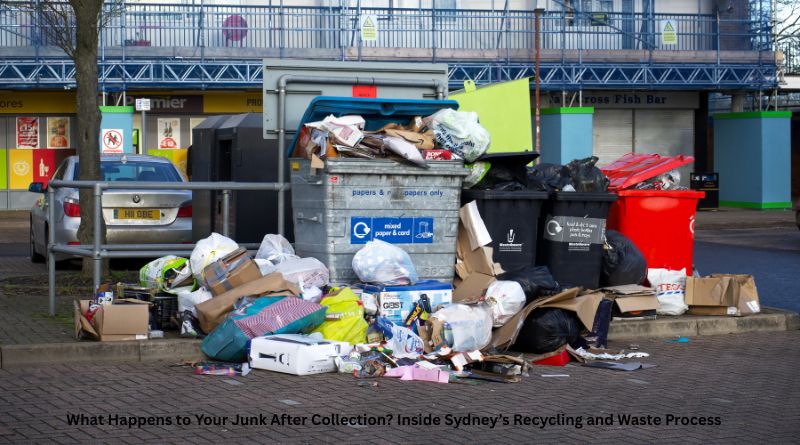
When you book a rubbish or junk removal service in Sydney, most people think the job ends when the truck drives away. In reality, that is only the beginning of a much larger process. Every item collected goes on a journey through sorting facilities, recycling centres and specialised processing plants before reaching its final destination.
Understanding what happens after collection helps homeowners and businesses appreciate how waste is managed, how recycling works in practice and why responsible disposal is so important for the environment. Sydney has a well developed waste and recycling system designed to reduce landfill use, recover valuable materials and ensure compliance with environmental regulations.
This article takes you inside the journey of your junk after it leaves your property and explains how different types of waste are handled across Sydney.
The First Step: Collection and Transport
Once rubbish is collected from a home, business or construction site, it is transported to a licensed transfer station or material recovery facility. These facilities act as the first major stop in the waste management process.
During transport, waste is typically kept separated where possible. Some junk removal services already pre sort items into categories such as general waste, green waste, metal, e waste and recyclables. This initial sorting helps improve recycling efficiency later in the process.
At this stage, the goal is to ensure that waste is safely delivered to the appropriate facility without contamination or spillage.
Transfer Stations and Initial Sorting
Transfer stations are central hubs where collected waste is unloaded and prepared for further processing. Here, materials are often weighed, inspected and sorted.
Large machinery and manual labour are used to separate different types of waste. Items that can be recycled are removed and sent to specialised recycling facilities, while non recyclable waste is directed towards landfill or energy recovery processes.
Common materials separated at this stage include:
- Metals such as steel and aluminium
• Cardboard and paper products
• Plastics of different grades
• Timber and construction materials
• Green waste such as branches and garden clippings
• Electronic waste such as appliances and cables
This initial sorting stage is crucial for reducing the amount of waste that ends up in landfill.
Recycling of Household Items
Household junk often contains a surprising amount of recyclable material. Furniture, appliances, packaging and general household waste are carefully processed to recover usable resources.
Metal items such as old washing machines, fridges and bed frames are sent to metal recycling facilities where they are shredded, melted down and reused in manufacturing.
Plastics are sorted by type, cleaned and processed into pellets that can be used to create new products.
Cardboard and paper are compressed into large bales before being transported to paper mills for repulping and reuse.
Even small household items can contribute significantly to recycling streams when properly processed.
Electronic Waste Processing
Electronic waste, often referred to as e waste, is one of the fastest growing waste categories in Sydney. This includes items such as televisions, computers, mobile phones and kitchen appliances.
E waste requires specialised handling due to the presence of valuable materials and potentially hazardous components.
At recycling facilities, electronic items are dismantled and separated into different materials such as metals, plastics and circuit boards.
Precious metals like gold, silver and copper are extracted and reused in manufacturing. Hazardous components such as batteries are safely removed and processed according to strict environmental guidelines.
Proper e waste recycling helps reduce environmental harm and conserves valuable resources.
Green Waste Composting
Green waste collected from gardens and landscaping projects follows a different recycling path. This includes grass clippings, branches, leaves and tree trimmings.
Instead of going to landfill, green waste is taken to composting facilities where it is processed into mulch and organic compost.
The material is shredded, aerated and left to decompose under controlled conditions. Over time, it breaks down into nutrient rich compost that can be used in parks, gardens and agricultural applications.
This process supports sustainable landscaping practices and reduces organic waste in landfill.
Construction and Demolition Waste Recycling
Construction and renovation waste makes up a large portion of junk collected in Sydney. This includes materials such as concrete, bricks, tiles, timber, plasterboard and metal.
At specialised recycling facilities, these materials are sorted and processed for reuse.
Concrete and bricks are crushed into aggregate that can be reused in road base and construction projects.
Timber is either recycled into engineered wood products or used as biomass fuel depending on its condition.
Metal components are recovered and sent to metal recycling plants.
Plasterboard is processed to recover gypsum, which can be reused in new building materials.
Recycling construction waste significantly reduces the environmental impact of building projects and helps conserve natural resources.
Waste That Goes to Landfill
Despite extensive recycling efforts, some materials cannot be recovered or reused. This residual waste is sent to licensed landfill facilities.
Modern landfills in Sydney are carefully managed to minimise environmental impact. They are designed with lining systems to prevent contamination of soil and groundwater.
Waste is compacted and covered regularly to reduce odours, pests and environmental exposure.
Even at landfill sites, efforts are made to recover additional materials such as methane gas, which can be captured and used for energy production.
The goal is always to minimise the amount of waste that ends up in landfill through improved recycling and resource recovery.
Energy Recovery Processes
In some cases, non recyclable waste is processed through energy recovery systems. These systems convert waste materials into usable energy such as electricity or heat.
This process reduces reliance on landfill and provides an alternative way to extract value from waste that cannot be recycled.
While not all waste is suitable for energy recovery, it plays an important role in modern waste management strategies across Australia.
The Role of Waste Sorting Technology
Modern recycling facilities in Sydney use advanced technology to improve sorting efficiency. This includes conveyor systems, optical scanners, magnets and air separation systems.
These technologies help identify and separate different materials quickly and accurately.
For example, magnets are used to extract steel and iron, while optical sensors can identify different types of plastics.
Automation improves recycling rates and reduces contamination, making the entire process more efficient.
Why Waste Separation at Home Matters
Although much of the sorting happens at recycling facilities, waste separation at home or at the source still plays a major role in improving outcomes.
When items are pre sorted into categories such as recyclables, green waste and general rubbish, it reduces contamination and increases the amount of material that can be recovered.
Contaminated recycling streams are more difficult and expensive to process, and in some cases may need to be sent to landfill.
Simple steps such as separating cardboard, removing food waste from packaging and grouping similar materials can make a significant difference.
Environmental Benefits of Recycling in Sydney
Sydney’s waste and recycling system provides several environmental benefits.
It reduces the amount of waste sent to landfill, conserves natural resources and lowers greenhouse gas emissions associated with manufacturing new materials.
Recycling also supports a circular economy where materials are reused rather than discarded.
By recovering metals, plastics, paper and organic waste, the system reduces the need for raw material extraction and helps protect natural ecosystems.
Final Thoughts
What happens to your junk after collection is a complex and carefully managed process that involves multiple stages of sorting, recycling and disposal. From transfer stations and recycling facilities to composting plants and landfill sites, every item follows a specific pathway based on its material type and condition.
Sydney’s waste management system is designed to maximise resource recovery and minimise environmental impact. While not all waste can be recycled, a significant portion is diverted away from landfill through advanced processing methods.
By understanding this journey, households and businesses can make more informed choices about how they dispose of waste and contribute to a more sustainable future.