Key Takeaways
- Fire and smoke can cause extensive structural and aesthetic damage to homes.
- Understanding the types of damage is crucial for effective restoration.
- Homeowners should be aware of insurance policies and coverage related to fire and smoke damage.
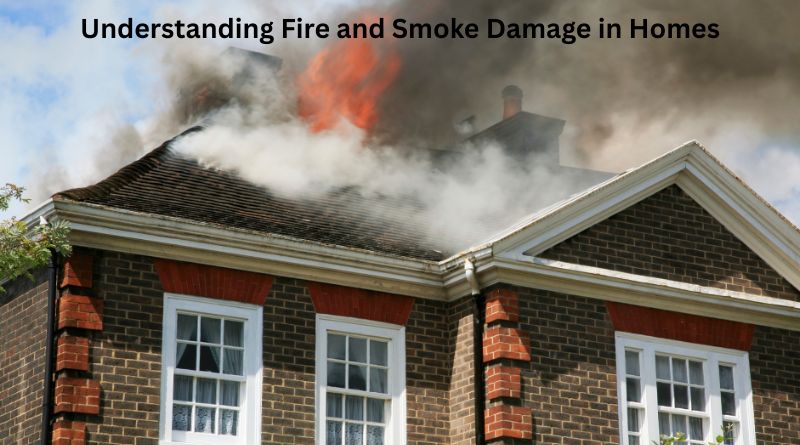
When a house fire strikes, the immediate aftermath can be overwhelming for homeowners. Not only do flames destroy property, but the effects of smoke and soot linger long after the fire has been extinguished. These hidden impacts can lead to lasting damage that is costly and complicated to repair. Learning about the various types of damage and restoration solutions, including fire and smoke damage cleanup in Utah, is essential for a successful recovery.
Homeowners often underestimate the challenges of smoke penetration and soot contamination, which can infiltrate walls, furniture, and ventilation systems, necessitating professional removal. Damage can be hidden; while surfaces may seem minimally affected, structural integrity may be compromised, posing health risks. Understanding potential insurance complications and knowing whom to contact are vital for effective recovery, as policies may not cover all smoke damage. Even moderate fires can damage a house’s framework, rendering it unsafe without professional evaluation of load-bearing surfaces. Homeowners should avoid attempting to repair significant structural issues themselves to prevent hazards.
Smoke and Soot Damage
Unlike direct flame damage, smoke and soot often spread throughout a home in a matter of minutes. The smoke contains a mix of harmful chemicals that cling to surfaces and become embedded in fabrics, carpeting, and vents. Soot, the carbon-black residue left by incomplete combustion, can stain walls and ceilings, discolor metal, and corrode delicate electronics and appliances.
The health risks associated with inhaling soot and smoke particles are well documented. Continuous exposure can aggravate respiratory conditions like asthma and contribute to cardiac problems. Removing these substances requires specialized equipment and cleaning methods, as emphasized by resources from the Federal Emergency Management Agency.
Water and Mold Damage
Paradoxically, the water used to extinguish flames can cause problems of its own. After a fire, homes are left saturated, creating the ideal environment for mold growth. Mold appears quickly, sometimes within just a day or two, making it important for homeowners to dry affected areas immediately after the fire is out. Mold remediation and water damage cleanup go hand in hand with fire restoration, as delayed response can lead to costly repairs and lingering health threats.
Addressing both water removal and preventing mold growth should be among the first priorities for anyone returning to a damaged home. Restoration professionals use industrial fans, dehumidifiers, and moisture meters to ensure that no residual dampness remains.
Chemical Damage
The combustion of plastics, household cleaners, furniture, and building materials releases a variety of toxic chemicals during a fire. These chemicals settle as residues throughout the house and can contaminate everything from walls to personal items. Some residues are corrosive, damaging to electronics and appliances, and hazardous to anyone who comes into contact with them.
Comprehensive cleanup requires not only the removal of visible soot but also the neutralization of these hazardous substances. Professionals use specific solvents and filtration systems to ensure that chemical residues do not pose any ongoing threat to health and safety.
Home System Damage
Fire and smoke frequently cause significant harm to electrical wiring, plumbing pipes, and HVAC systems. Melted or scorched wires are a fire hazard, and water-damaged pipes may leak or burst. HVAC systems can circulate contaminated air long after a fire, making prompt, comprehensive inspection and cleaning crucial.
Professionals should assess all major home systems before you attempt to use any appliances, lights, or heating systems. Repairs to these critical systems often require permits and skilled contractors to guarantee safety and code compliance.
Insurance Considerations
Insurance is both a lifeline and a potential stumbling block after a fire. Many homeowners are surprised by policy exclusions or fine-print limitations when it comes time to file a claim for smoke or water damage. In some states, such as California, major legal battles have arisen over insurance companies denying smoke damage claims, even when substantial evidence of harm existed. For instance, a recent decision concerning California’s insurer of last resort highlighted the need for crystal-clear policy language for all types of fire-related damage.
Homeowners should document all communication with their insurer and clarify coverage details immediately after a fire, not after a claim has been denied. Seeking help from a licensed public adjuster or insurance attorney may make a significant difference in recovering damages for smoke or secondary issues such as mold and corrosion.
Restoration Process
The road to recovery after a fire is structured and methodical. While the details may vary, most professional restoration companies follow a series of clearly defined steps, including:
- Assessment: Certified professionals survey the entire property to determine the extent of fire, smoke, water, and other damages.
- Mitigation: Actions such as boarding up openings and covering roofs are performed to halt further damage.
- Cleaning: Soot, water, and smoke residue are removed using industrial-grade tools and solutions.
- Repair: Damaged materials and structures are replaced or reinforced to restore the building’s safety and functionality.
- Restoration: The home is returned as closely as possible to its pre-fire condition, including final cleaning, painting, and deodorization.
Timely intervention by professional restoration teams reduces the scope of loss, prevents further harm, and helps homeowners return to their normal lives sooner.
Conclusion
House fires and the resulting smoke can inflict damage that goes well beyond the initial burn marks. Understanding the full range of consequences, from structural harm to insurance pitfalls, prepares homeowners for the challenges ahead. By acting quickly, seeking expert help, and reviewing insurance policies in detail, homeowners facing fire and smoke damage can improve the likelihood of a full and healthy recovery for both their property and their family.