Today’s homeowners are placing a premium on sustainability, not just for aesthetics but for the greater good of the environment. Sustainable landscaping is at the forefront of this movement, blending beautiful design with eco-friendly principles that protect resources and encourage biodiversity. Whether you are planning a full garden overhaul or simply aiming to improve your outdoor aesthetics, incorporating these trends can transform your property. From native planting to hardscaping services in Northern Virginia, embracing eco-friendly approaches means you are investing in both curb appeal and environmental health. Shifting to greener practices delivers more than a striking yard. It helps reduce water usage, fosters a habitat for pollinators, and contributes to local ecosystem resilience. By selecting the right materials, plant species, and design features, homeowners can create an outdoor environment that stands the test of time, weathers drought, and conserves valuable resources, all while complementing their home’s unique style.
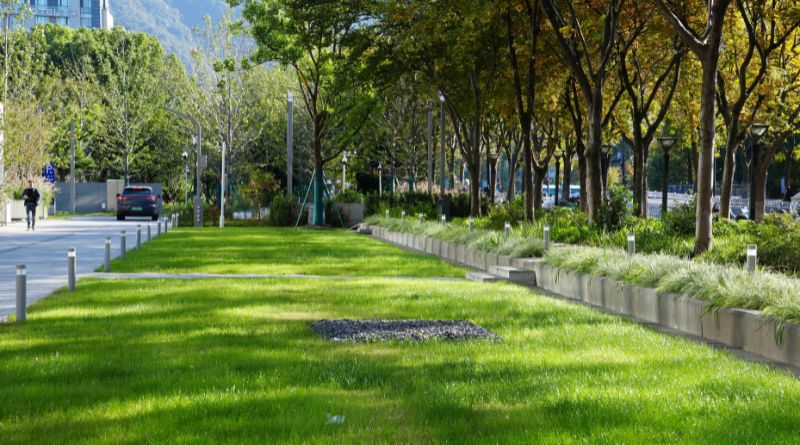
Sustainable landscape choices also foster a sense of community stewardship. Neighbors notice and are often inspired to implement similar eco-friendly upgrades, amplifying the positive impact. Thoughtful design ensures spaces are usable year-round, promoting a stronger connection to nature without constant maintenance. With technologies like smart irrigation and the trend towards vertical gardening, maximizing limited space and resources has never been more achievable. As climate awareness grows, so does the demand for design that is both beautiful and beneficial. Modern landscapes use permeable paving, native plants, and carefully planned outdoor features to create harmony between human needs and environmental health.
Embracing Native Plants
Native plants are a foundational element of sustainable landscaping. Adapted to thrive in the region’s specific climate and soil conditions, they require less supplemental water and virtually no pesticides or fertilizers, resulting in lower maintenance costs and ongoing savings. Native gardens also provide critical food and shelter for local pollinators, such as bees, butterflies, and birds, helping ensure a vibrant, resilient ecosystem in your backyard. Homeowners who switch to native species report better survival rates for their plantings and a noticeable uptick in neighborhood wildlife activity. According to the United States Environmental Protection Agency, native plants are essential for sustainable landscaping because they conserve water, prevent erosion, and generally require less attention than non-native species. By choosing a palette of native grasses, perennials, and shrubs, you can design a landscape that looks beautiful throughout the seasons and supports long-term environmental health.
Implementing Permeable Paving
Hardscaping is often necessary for walkways, patios, and driveways, but traditional impervious materials can disrupt natural water flow and capture runoff, harming local waterways. Permeable paving methods, including porous concrete, stone, and gravel, allow rainwater to filter into the ground, reducing erosion and pollution. These eco-friendly solutions also help recharge groundwater reserves and minimize standing water after storms. Permeable design can be stylish and environmentally responsible, blending seamlessly into the surrounding landscape through a diversity of textures and colors.
This technique is becoming standard for those looking to upgrade their outdoor spaces while meeting local stormwater regulations.
Designing Functional Outdoor Living Spaces
Homeowners are increasingly interested in extending their living environments into the outdoors. Contemporary designs often feature spaces that accommodate both relaxation and entertaining, a trend driven by the growing appetite for spending time outside. Outdoor kitchens, fire features, pergolas, and flexible seating areas bring the comfort of indoor amenities into the open air, reducing the need for energy-intensive indoor gatherings. Incorporating native shade trees or natural screens ensures comfort and privacy, even in smaller yards, while facilitating year-round outdoor use. This movement toward outdoor living also encourages families to interact more frequently with nature, which research suggests is linked to better health and reduced stress. When designed for seasonal flexibility, these spaces become valued extensions of the home, increasing property value and daily enjoyment.
Utilizing Smart Irrigation Systems
Efficient water use is vital in any sustainable landscape. Smart irrigation technology integrates with sensors and weather data to water landscapes accurately based on actual needs. These systems measure rainfall and soil moisture, adjusting irrigation schedules to ensure lawns and gardens stay healthy while minimizing water waste. Many can be managed remotely via a smartphone, enabling even further customization and control. Incorporating a smart irrigation system can significantly decrease monthly utility bills and protect your landscape investment from under- or over-watering. Major cities across the United States are now incentivizing the use of smart irrigation controllers for water conservation, further validating their effectiveness for environmentally conscious homeowners.
Incorporating Vertical Gardens
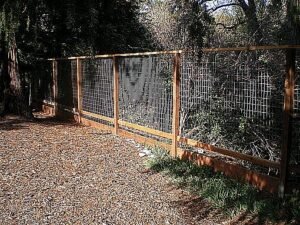
For properties with limited ground area, vertical gardens provide a creative solution to enjoy greenery without expanding the traditional footprint. By growing plants up walls, fences, or freestanding structures, homeowners can cultivate lush displays of both edible and ornamental species. Vertical gardens are particularly well-suited to urban living, where horizontal space comes at a premium but vertical surfaces abound. This approach can cool building exteriors, reduce noise pollution, and improve local air quality. Whether using simple modular planters or high-tech living walls, vertical gardening unlocks new layers of design potential and environmental benefit.
Conclusion
Sustainable landscaping is not a fleeting trend but a vital approach for those who want yards that are as resilient as they are attractive. By incorporating native plants, choosing permeable materials, designing functional outdoor spaces, integrating smart technology, and exploring vertical gardening, homeowners can foster beauty, functionality, and environmental responsibility simultaneously. Embracing these principles ensures your landscape investment pays off for you, your community, and the planet, for generations to come.