Staying proactive about the safety and efficiency of your home’s electrical system is vital to protecting your family and property. As technology evolves and more devices are integrated into daily life, understanding how to maintain your residential electrical infrastructure is more important than ever. For professional help with installations and upgrades, visit this link to connect with experienced electricians serving Kansas City and the surrounding areas.
This guide covers the latest trends in electrical installations, practical safety tips for homeowners, critical errors to avoid, and the value of hiring skilled professionals for major projects. By following industry-leading advice and staying up to date with current best practices, you can ensure your electrical system remains both safe and future-ready.
Emerging Trends in Residential Electrical Installations
Today’s modern homes rely on increasingly complex electrical systems to support a wide variety of appliances, entertainment devices, and lifestyle upgrades. Integrating new technologies often means making significant changes to a home’s wiring and energy distribution. Some of the most impactful trends include:
- Smart Home Integration: Voice assistants, security systems, thermostats, and lighting controls all function better with updated wiring and smart panels. Homeowners are finding that professional upgrades are necessary to support seamless automation and future technological developments.
- Electric Vehicle Charging Stations: The surge in electric vehicle (EV) ownership has sparked a rising need for home-based charging solutions. Installing an EV charger is no longer as simple as adding an outlet; current codes require specialized circuits and safety features that must be installed by experts.
- Energy Efficiency Upgrades: Modern households are adopting LED fixtures, Energy Star–rated appliances, and intelligent power monitoring systems. These upgrades often require modifications to older electrical systems in order to operate safely and at peak efficiency.
Keeping up with these advancements not only boosts convenience but also increases property value. Whether planning for smart tech or green upgrades, consulting experts help prevent costly mistakes and ensure systems are code-compliant.
Essential Safety Tips for Homeowners
Electrical systems, if neglected or mismanaged, are among the leading causes of house fires and accidental injuries. Well-informed homeowners prioritize electrical inspections and practice the following safety steps:
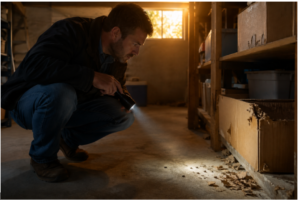
- Routine Inspections: Arrange for a licensed electrician to examine your home’s electrical system periodically. These inspections catch outdated wiring, faulty breakers, and worn-out components before they cause harm.
- Circuit Load Awareness: Avoid overloading outlets and circuits by spreading high-demand appliances across circuits. According to the Washington Post, overloaded circuits remain a key cause of household fires, underscoring the need for proper usage and distribution of everyday devices.
- GFCI Installation: Ground Fault Circuit Interrupters (GFCIs) are critical in bathrooms, kitchens, basements, and outdoor areas. They instantly cut power during faults, reducing the chance of dangerous shocks or electrocution, especially in places where water is present.
Remaining vigilant about these safety basics significantly reduces the risk of electrical emergencies and gives peace of mind to homeowners and their families.
Common Mistakes in Electrical Installations
Even small errors in residential electrical work can lead to costly repairs, shortened appliance lifespans, or catastrophic fires. Here are the pitfalls homeowners must avoid:
- Incorrect Wire Sizing: Using wires that cannot handle a circuit’s intended load can lead to dangerous overheating and even fire. Always ensure the wire gauge matches your circuit’s demands as outlined by reputable organizations such as the National Fire Protection Association (NFPA).
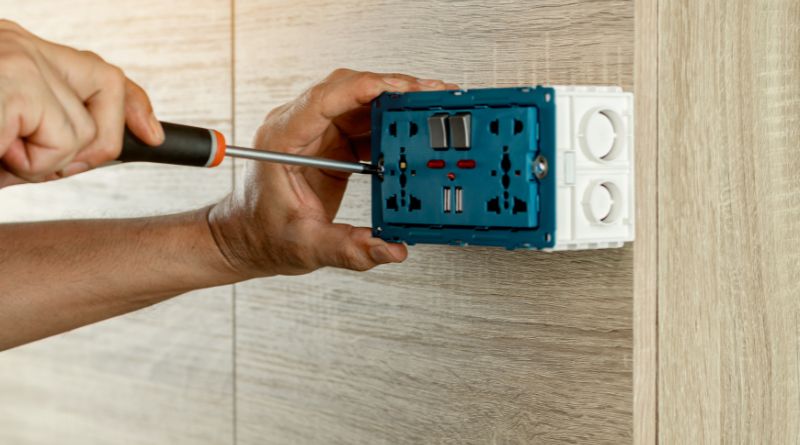
- Poor Connection Practices: Loose, unshielded, or improper connections can cause arcing and sparks, posing a significant fire hazard. Connections must be made in junction boxes and secured by qualified professionals.
- Misuse of Extension Cords: Running appliances or equipment continuously on extension cords is unsafe. These cords are engineered for temporary use only and can overheat if used as a substitute for fixed wiring.
Importance of Professional Installation
Electrical work might look manageable on the surface, but even minor errors pose severe safety and financial risks. Always hire qualified electricians for new installations, renovations, and repairs to benefit from:
- Code Compliance: Licensed electricians keep pace with evolving city, state, and national codes, ensuring installations pass all required inspections and adhere to the latest safety regulations.
- Workmanship Quality: Professional installations are less likely to experience faults, reducing the need for future repairs and extending the life of your system.
- Comprehensive Safety: Entrusting work to trained experts greatly lowers the chances of fires, shocks, and property damage, particularly with complex or high-voltage systems.
Industry professionals also offer valuable advice during planning and remodeling, helping homeowners avoid costly missteps and making recommendations tailored to specific property requirements and goals.
Conclusion
Residential electrical systems are the backbone of a safe, comfortable, and modern home. Embracing emerging trends, practicing essential safety measures, steering clear of common errors, and relying on skilled professionals together ensure your home’s electrical network is up to the challenge of today’s technology and tomorrow’s innovations. Prioritizing regular maintenance and code-compliant upgrades can safeguard your family and investment for years to come.