Key Takeaways
- Utilize native plants to reduce water usage and support local wildlife.
- Incorporate permeable materials to manage stormwater effectively.
- Choose sustainable hardscaping materials to minimize environmental impact.
- Design functional zones to maximize the usability of your outdoor space.
- Implement smart irrigation systems to conserve water.
Table of Contents
- Incorporating Native Plants
- Using Permeable Materials
- Choosing Sustainable Hardscaping Materials
- Designing Functional Zones
- Implementing Smart Irrigation Systems
- Conclusion
Creating a sustainable outdoor space not only enhances the beauty and value of your property but also helps reduce your overall environmental footprint. Adopting eco-friendly landscaping practices allows you to enjoy a lush, functional yard while supporting the health of the planet. Whether you are making small updates or planning a major transformation, incorporating sustainability principles offers long-term rewards for you and your community. For expert assistance with sustainable landscaping design and installation, consider consulting Elias Landscaping Inc. Their expertise can help ensure your project has the greatest positive impact. A commitment to sustainable landscaping involves careful plant selection, efficient resource use, and mindful construction. By learning about best practices and modern innovations, homeowners and property managers can create outdoor spaces that conserve water, support biodiversity, and thrive for years to come.
Incorporating Native Plants
Selecting native plants is one of the most impactful choices in sustainable landscaping. These species are naturally adapted to your local environment, making them more resilient and less dependent on supplemental watering, fertilizers, or pesticides. This simple change can dramatically decrease maintenance time and costs while encouraging local biodiversity. According to the National Wildlife Federation, a garden with a high percentage of native plants supports pollinators, birds, and beneficial insects by restoring natural habitats. Native plants also tend to resist pests and diseases common to your region, reducing or eliminating the need for chemical interventions that can harm soil and water quality. For the best results, consult your local extension office or nursery for advice on which species thrive in your local soil, sun, and rainfall patterns.
Using Permeable Materials
Stormwater management is another crucial aspect of sustainable design. Traditional hardscape materials like concrete and asphalt inhibit water absorption, leading to runoff, erosion, and flooding. By contrast, permeable materials allow rainwater to soak into the ground, replenishing groundwater supplies and reducing surface runoff. Surfaces such as gravel, decomposed granite, porous pavers, or even permeable concrete provide structural strength while facilitating natural water infiltration. The Environmental Protection Agency reports that incorporating permeable pavements into landscaping can effectively reduce urban runoff and its associated pollution. These solutions combine environmental responsibility with functional beauty, keeping your garden healthy and reducing the risk of drainage issues.
Choosing Sustainable Hardscaping Materials
The materials you choose for patios, paths, and wall features directly affect your landscape’s carbon footprint. Opt for sustainable materials such as reclaimed wood, crushed brick, recycled plastics, or locally quarried stone. These alternatives require less energy to produce and transport, and often bring unique textures and character to your outdoor space. Using reclaimed materials helps divert waste from landfills, and local sourcing reduces transportation emissions. Composite decking made from recycled content is both durable and low-maintenance, making it a popular choice for sustainable patios and decks. Whenever possible, select products certified by credible sustainability labels to ensure you are making environmentally sound choices.
Designing Functional Zones
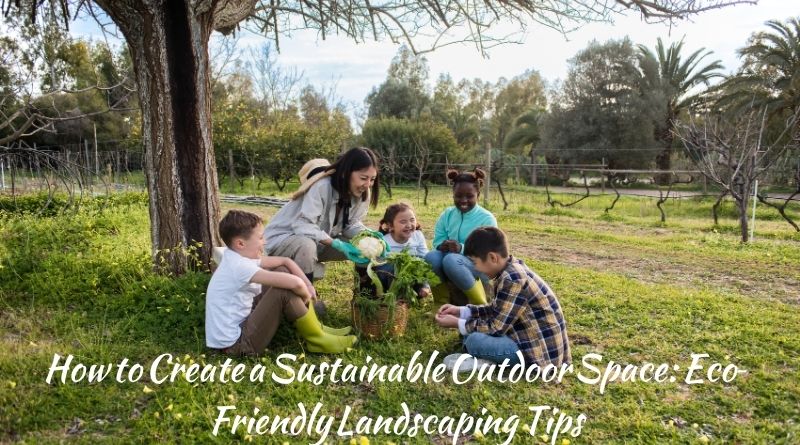
Efficiency and comfort are key in maximizing outdoor spaces. Dividing your yard into dedicated functional zones encourages use and minimizes unnecessary maintenance. Create areas for outdoor dining, lounging, gardening, playing, or gathering around a fire pit. Design choices should reflect your lifestyle and create seamless connections between the indoors and outdoors, encouraging year-round enjoyment. Features such as edible garden beds, shaded seating areas, and integrated storage help keep your space organized and inviting. Strategic placement of trees and shrubs can also provide natural windbreaks and privacy screens, further improving comfort and microclimate control. As highlighted in many recent landscaping trends, these purposeful designs enhance the overall experience and usability of your outdoor environment.
Implementing Smart Irrigation Systems
Water conservation is vital as climate conditions continue to change and water prices rise. Smart irrigation systems use real-time or forecasted weather data along with soil moisture sensors to tailor watering schedules to your landscape’s precise needs. This approach eliminates overwatering, reduces waste, and supports healthy plant growth. Many smart irrigation controllers are now accessible via smartphone apps, which display water usage data and send reminders to adjust settings in response to seasonal changes. Investing in this technology can significantly lower your monthly water bill and reduce the time you spend monitoring your system. For insights on selecting the best smart irrigation controllers for your home, consult reputable sources or local experts in sustainable landscaping.
Conclusion
Embracing sustainable landscape design not only benefits the environment but also increases the beauty, function, and value of your property. By integrating native plants, permeable surfaces, sustainable hardscaping materials, intentionally designed functional zones, and smart irrigation technologies, you can build an eco-friendly outdoor oasis. These thoughtful improvements will support local wildlife, conserve vital resources, and help you create a welcoming space to enjoy for years to come.