Key Takeaways
- Seismic retrofitting strengthens homes against earthquake damage.
- Older and vulnerable homes benefit most from upgrades.
- Retrofits improve safety, reduce risks, and protect property value.
- Professional evaluation ensures effective earthquake protection.
Homes in earthquake-prone areas face serious risks whenever seismic activity occurs. Without the right precautions, even a moderate earthquake can cause significant damage and pose dangers to occupants. This is why understanding and implementing seismic retrofit strategies is vital for homeowners seeking to secure their property and safety. Seismic retrofitting involves specific modifications to existing structures to improve their ability to withstand earthquakes. These improvements are crucial in regions with seismic hazards, as modernizing older homes can be the difference between severe destruction and minimal damage. Property owners are increasingly recognizing the long-term value of retrofitting. The peace of mind that comes from knowing a home is more resilient is matched by practical benefits like lower insurance premiums and greater market appeal. In many cases, these efforts are also supported by local and state programs, making them more accessible and affordable for families. For those seeking guidance or financial support, organizations such as the Federal Emergency Management Agency (FEMA) offer extensive resources and advice on preparing homes for earthquakes. Upgrading a home with seismic retrofitting does not just protect the property; it safeguards loved ones and communities.
Understanding Seismic Retrofitting
Seismic retrofitting is the process of strengthening an existing structure to reduce the likelihood of catastrophic failure in an earthquake. A retrofit addresses weaknesses in the original construction to enhance the building’s ability to absorb and dissipate seismic energy. This typically entails localized, targeted upgrades to critical load-bearing elements, often without the need to rebuild large portions of the house. Techniques and materials vary based on a home’s structure, age, and foundation. However, the guiding principle remains the same: Fortify the building so that it stays intact during ground shaking, preventing collapse, sliding, or separation of structural components.
Key Components of Seismic Retrofitting
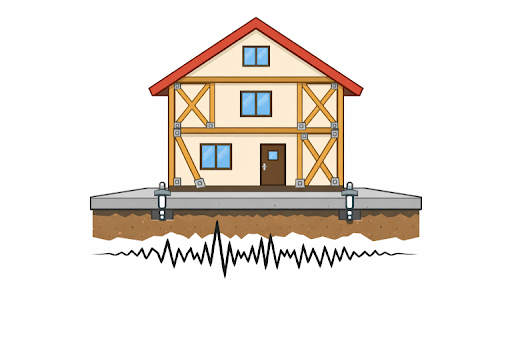
- Foundation Bolting: This process firmly connects the home’s wooden frame to its concrete foundation using anchor bolts. Proper bolting prevents the entire house from shifting off the foundation as the ground moves.
- Crawl Space Bracing: Short cripple walls located between the foundation and first floor are reinforced with plywood or structural panels. This prevents the first floor from collapsing under lateral forces.
- Soft Story Reinforcement: If a house has a floor directly above large openings like garages or windows, steel frames or engineered shear walls are added. These additions distribute seismic loads, preventing the upper floors from collapsing onto the lower level.
- Connection Strengthening: Various metal connectors and reinforcements are installed to tie the roof, walls, and floor together securely. This integration ensures all parts of the building move as a unit, minimizing internal damage.
Identifying Homes in Need of Retrofitting
Not every house requires a retrofit, but homes with specific characteristics are far more likely to benefit from these upgrades. High-risk properties usually include homes:
- Built before seismic safety standards were established, generally before the 1980s.
- With raised foundations or crawl spaces, which create weak points.
- Constructed on hillsides or utilizing soft-story designs that lack lower-level support.
If you own one of these older or structurally vulnerable homes, consulting with a structural engineer or qualified contractor is essential. They can evaluate your property’s risks and recommend the appropriate retrofit measures.
Benefits of Seismic Retrofitting
- Improved safety for everyone inside during an earthquake event.
- Significantly reduced risk of structural damage, minimizing repair costs after a quake.
- Potentially lower insurance premiums as a reward for proactive mitigation.
- Greater property value and desirability, especially for buyers concerned about seismic safety.
In addition to protecting your own investment, retrofitting helps stabilize neighborhoods during major earthquakes, reducing the strain on emergency services.
Financial Assistance and Incentives
Recognizing the public benefit of safer homes, various programs support seismic retrofitting efforts. In California, the Earthquake Brace + Bolt program offers grants to qualifying homeowners, helping make retrofits more affordable. The Federal Emergency Management Agency (FEMA) also maintains comprehensive guides and grant information for seismic retrofitting, including technical manuals for both homeowners and contractors.
Choosing a Qualified Contractor
The effectiveness of a retrofit depends heavily on the contractor’s skill and experience. Homeowners should always:
- Verify that contractors are properly licensed and insured.
- Request and check references from previous retrofit projects.
- Compare multiple bids to evaluate scope, cost, and quality guarantees.
Taking the time to find the right professional ensures your retrofit meets all safety standards and building codes, giving you lasting protection. Conclusion
Seismic retrofitting is among the most effective ways to safeguard homes in earthquake-prone regions. The process strengthens vulnerable properties, increases safety, and provides peace of mind to families and communities. With awareness, available resources, and assistance programs, homeowners have ample opportunity to secure their homes against future seismic events.
Conclusion
Seismic retrofitting is a valuable investment that helps protect homes, families, and communities from earthquake risks. By strengthening vulnerable structures, addressing weaknesses, and working with qualified professionals, homeowners can improve safety and reduce the risk of damage. Taking proactive steps today can provide greater peace of mind and long-term protection in the event of future seismic events. Beyond minimizing repair costs, retrofitting also helps preserve property values and improve neighborhoods’ overall resilience. With proper planning, expert guidance, and available support programs, homeowners can make informed decisions that enhance their home’s ability to withstand earthquakes. A safer, stronger home not only protects personal assets but also contributes to a more prepared and resilient community.