Key Takeaways
- Colorado’s dry climate significantly influences hardwood flooring choices.
- Engineered hardwood offers enhanced stability amid varying humidity levels.
- Species like white oak and hickory are particularly well-suited for Colorado homes.
- Proper acclimation and maintenance are crucial for the longevity of hardwood floors.
Selecting the right hardwood flooring for your Colorado residence requires careful consideration of the state’s unique climate and your personal aesthetic preferences. This guide delves into top hardwood options that thrive in Colorado’s environment, ensuring both durability and visual appeal.
Understanding Colorado’s Climate Impact on Hardwood Flooring
Colorado’s climate, characterized by low humidity and significant temperature fluctuations, can cause hardwood floors to expand and contract. Selecting flooring that can withstand these conditions is essential to prevent issues like gapping or warping. One of the most crucial elements homeowners in Colorado must contend with is how dry winter air can sap moisture from wood, leading to shrinkage and gaps between planks. In contrast, during summer, even moderate humidity can cause some expansion. Because of these seasonal changes, Siena Wood Floors offers hardwood flooring in Colorado that adapts well to environmental shifts and maintains its structural integrity over time.
Engineered Hardwood: A Stable Solution
Engineered hardwood consists of a real wood veneer atop a multi-layered core, providing greater dimensional stability compared to solid hardwood. This construction minimizes the effects of humidity changes, making it a suitable choice for Colorado’s dry climate. Additionally, engineered hardwood can be installed over concrete slabs and is often compatible with radiant heating systems.
This enhanced flexibility is why many flooring professionals recommend engineered hardwood for Colorado basements and ground-floor installations. Many styles of engineered flooring come in click-lock formats for easier DIY installation, reducing labor costs and time. For environmentally conscious consumers, engineered options are often available in eco-friendly, FSC-certified wood, offering sustainability and resilience.
Top Hardwood Species for Colorado Homes
When selecting hardwood species, consider those known for their durability and stability in dry climates:
- White Oak: Dense and less porous, white oak resists moisture-related movement, making it ideal for Colorado’s environment.
- Hickory: As one of the hardest domestic woods, hickory withstands heavy use and fluctuating humidity levels.
- Maple: With its fine grain and moderate hardness, maple performs well when properly sealed and maintained.
Besides these popular options, homeowners may also want to explore additional species for aesthetic variety and performance advantages:
- Red Oak: While slightly more porous than white oak, red oak remains a compelling choice for its warm undertones and affordability. With proper finishing and maintenance, red oak can also perform well in Colorado’s climate.
- Walnut: Renowned for its rich, deep browns and classic elegance, walnut offers a softer feel underfoot, though it may show wear more quickly in high-traffic areas. It’s best suited for bedrooms and studies rather than busy entryways.
- Bamboo: Technically a grass rather than a wood, strand-woven bamboo can be harder than hickory and offers impressive eco-friendly credentials. Its moisture resistance and dimensional stability make it a viable alternative in dry climates.
Acclimation and Installation Best Practices
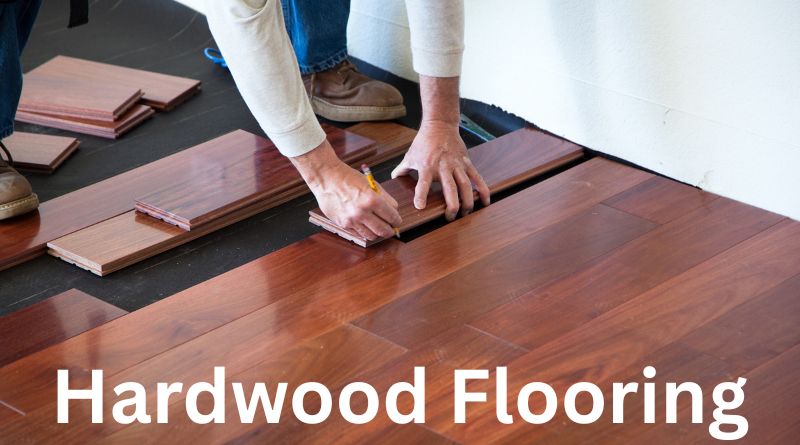
Proper acclimation of hardwood flooring to your home’s environment is crucial. Allow the flooring to adjust to indoor conditions before installation to minimize future movement. Maintaining consistent indoor humidity levels with humidifiers during dry seasons can also help preserve the integrity of your floors. Flooring should be kept in its unopened boxes for several days in the room where it will be installed. During that period, rooms should be kept at the temperature and humidity levels expected in everyday use. For specific products, always follow the manufacturer’s acclimation recommendations, as some engineered floors require less time than solid planks. Neglecting acclimation can void warranties and lead to unwanted floor movement.
Maintenance Tips for Longevity
Regular maintenance extends the life of your hardwood floors. Use felt pads under furniture, place mats at entryways to reduce dirt and moisture, and clean spills promptly. Periodic refinishing can rejuvenate the appearance and protect the wood surface.
In addition to basic care, consider these expert tips tailored to Colorado’s climate:
- Install a whole-house humidifier to keep relative humidity between 35-55% during the winter months.
- Avoid harsh chemical cleaners; opt for gentle, pH-balanced wood floor solutions.
- Recoat or refinish high-traffic areas every few years to prevent surface wear and maintain the floor’s luster.
- Place window treatments to minimize direct sunlight exposure, reducing the risk of fading and drying.
- Use area rugs or runners in busy areas to protect high-wear sections from scuffing and scratching.
Design Trends for Colorado Living
Beyond durability and climate compatibility, modern Colorado homes often reflect the region’s natural beauty inside. Many homeowners favor flooring with visible grain, knots, and matte finishes to create a rustic, welcoming ambiance. Wider planks and longer boards are in demand, as they open up spaces and create a sense of continuity with mountain or prairie vistas outside. Many manufacturers offer custom stains and textures to match your décor, from deep espresso tones for a mountain lodge essence to contemporary gray paints popular in urban settings. Reclaimed hardwood is also gaining traction for its sustainability story and its utterly unique appearance, making it perfect for making a bold design statement with a nod to Colorado’s rugged landscapes.
Conclusion
Selecting the right hardwood flooring for your Colorado home involves understanding the local climate and choosing materials that offer both beauty and resilience. By considering engineered options and species suited to dry conditions, and by following proper installation and maintenance practices, you can enjoy stunning and durable floors for years to come. To make the best choice, consult local flooring professionals who are familiar with Colorado’s climate. They can recommend specific products and installation techniques. With the right balance of design, performance, and upkeep, your hardwood flooring can add timeless appeal and value to your home, even in Colorado’s challenging but beautiful climate.