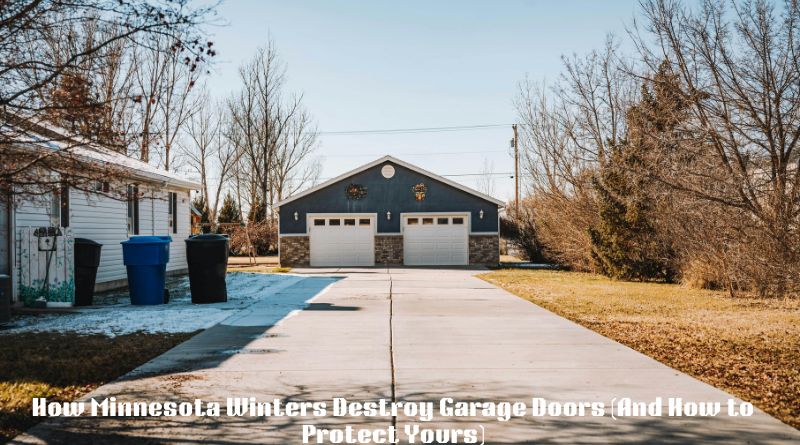
Minnesota winters are no joke. With temperatures regularly plunging below −20°F, blizzards that can dump two feet of snow overnight, and freeze-thaw cycles that crack concrete and buckle roads, the Land of 10,000 Lakes puts every part of your home through a serious stress test — and your garage door is right on the front lines.
Most homeowners don’t realize how much Minnesota’s extreme climate shortens the life of garage door components until something breaks — usually on the coldest morning of the year. This guide covers what’s actually happening to your garage door in the cold, what you can do to prevent it, and when it’s time to call in a professional.
1. Cold Temperatures Make Springs Snap
Garage door springs are the most failure-prone component in any door system — and Minnesota winters make them fail even faster. Here’s why: metal contracts in cold temperatures. Torsion springs that are already under significant tension become more brittle as temperatures drop, and the metal loses some of its flexibility. The result is a higher likelihood of a sudden, violent spring break.
This is why so many Minnesota homeowners experience spring failures in January and February — not because the spring was brand new, but because the cold was the final straw for a spring that was already worn.
What to do: Have your springs inspected every fall before temperatures drop. A technician can measure wear and tension and replace springs proactively — on your schedule — rather than waiting for an emergency break on a −10°F morning.
2. Lubricants Thicken and Fail in Extreme Cold
Standard petroleum-based lubricants get thick and gummy in cold weather — the same way motor oil behaves differently in winter. When your garage door lubricant thickens, it stops doing its job. Rollers drag, hinges resist movement, and the opener motor has to work much harder than it should, wearing it out prematurely.
Even worse: some homeowners use WD-40, which isn’t actually a lubricant — it’s a water displacer. It evaporates quickly and leaves parts completely unprotected, which is particularly damaging in Minnesota’s cold, dry winters.
For Minnesota climates, use:
- Silicone-based spray lubricant for rollers, hinges, and tracks — stays fluid in cold temps
- White lithium grease for torsion springs — provides long-lasting protection even in sub-zero conditions
- Avoid standard petroleum oils — they will congeal and cause more harm than good below freezing
Lubricate all moving parts every October before the first hard freeze, and again in mid-winter if you notice the door moving sluggishly.
3. Frozen Bottom Seals — A Surprisingly Destructive Problem
One of the most common — and most damaging — winter garage door problems in Minnesota is a frozen bottom seal. When snow or water accumulates under the door and then freezes overnight, the rubber bottom seal bonds to the garage floor. If you then hit the opener button in the morning without checking, you can:
- Tear the bottom seal completely off the door
- Strip the gears in the opener motor by forcing it against a fixed door
- Snap a torsion spring under the sudden load
- Bend or crack a bottom panel
What to do: Before hitting the opener on cold mornings after snowfall, push down on the door handle to check if it’s frozen to the floor. If it is, use a heat gun, hair dryer, or warm water to melt the ice — never force it. Apply a silicone spray to the bottom seal each fall to reduce the chance of freeze bonding.
4. Snow and Ice Buildup on Tracks
Minnesota’s heavy snowfall doesn’t just pile up on the driveway — it can blow into your garage, accumulate along the tracks, and freeze in place. Ice in the tracks is one of the fastest ways to throw a garage door off its rails. Even a small amount of ice buildup can cause:
- Rollers to jump out of the track channel
- Uneven opening and closing that puts asymmetric stress on springs and cables
- The door to become stuck midway through its travel
What to do: Visually inspect your tracks after major snowstorms. Use a plastic scraper or a cloth soaked in warm water to clear any ice from the track channel. Never use metal tools on the tracks — they can dent or bend the channel, creating long-term alignment problems.
5. Insulation — The Feature Most Minnesota Homeowners Overlook
If your garage is attached to your home, your garage door is directly responsible for a significant portion of your winter heating costs. An uninsulated steel door has an R-value of about R-2. Minnesota’s climate demands much better — experts recommend at least R-16 for attached garages in this region.
A well-insulated garage door delivers multiple benefits in a Minnesota winter:
- Keeps the garage 20–30°F warmer than the outside temperature, protecting stored items and vehicles
- Reduces strain on your home heating system by blocking heat loss through the largest opening in your exterior walls
- Protects the garage door opener motor from extreme cold, extending its lifespan
- Reduces condensation inside the garage, which can cause rust and wood rot
If replacing the full door isn’t in the budget right now, insulation retrofit kits are available for many existing steel doors and can meaningfully improve performance as an interim solution.
6. Opener Motors Struggle in the Cold
Garage door opener motors are typically rated for operation down to about −20°F — which sounds like enough until you realize that a poorly insulated garage can actually get colder than the outdoor temperature due to wind chill effects through gaps and cracks. An opener working in extreme cold:
- Draws more amperage, putting extra wear on the motor windings
- May trip its own thermal overload protection and refuse to operate until it warms up
- Can have its logic board fail from condensation that freezes and thaws repeatedly inside the unit
What to do: If your opener is more than 8–10 years old and struggling in winter, consider replacing it with a model rated for cold climates. Some manufacturers offer low-temperature models specifically designed for northern states. Keeping the garage even slightly warmer through insulation makes a significant difference in opener longevity.
7. The Freeze-Thaw Cycle Damages Panels and Frames
Minnesota’s spring and fall shoulder seasons bring something arguably harder on structures than pure cold: rapid freeze-thaw cycling. Temperatures can swing 40–50 degrees in a single day, with moisture in panel seams, around frames, and in weatherstripping repeatedly freezing and expanding, then thawing and contracting.
Over time this causes:
- Paint to peel and chip from steel panels, exposing bare metal to rust
- Wood frames and trim to crack and split
- Weatherstripping on the sides and top to pull away from the frame
- Caulking around the door frame to crack and gap, allowing cold air infiltration
What to do: Inspect all weatherstripping and caulking each spring after the ground thaws. Replace any sections that have cracked, hardened, or pulled away. Touch up paint chips on steel doors immediately to prevent rust from establishing a foothold.
Minnesota Garage Door Maintenance Calendar
Follow this seasonal schedule to stay ahead of Minnesota’s climate challenges:
- September–October: Full professional inspection; lubricate all moving parts with cold-weather lubricants; check and replace weatherstripping; test battery backup on opener
- November–December: Apply silicone spray to bottom seal to prevent freeze bonding; clear debris from tracks; verify springs show no signs of wear
- January–February: Check for frozen seal issues after major snowfalls; re-lubricate if door movement becomes sluggish; inspect tracks for ice buildup
- April–May: Post-winter inspection; check for paint chips, rust spots, and frame cracking; replace caulking and weatherstripping as needed
When to Replace Instead of Repair
Minnesota’s climate accelerates wear on every garage door component. As a general guideline, consider full door replacement if:
- Your door is 15+ years old and has survived multiple Minnesota winters without significant upgrades
- You’re seeing widespread rust that has penetrated through the panel surface
- The door is uninsulated and your energy bills reflect it
- You’ve repaired springs, cables, or the opener more than twice in the past three years
A new insulated garage door is one of the best investments a Minnesota homeowner can make — it pays back in lower heating bills, fewer repairs, and a garage that’s genuinely usable even in the depth of winter.
Final Thoughts
Living in Minnesota means accepting that winter will test everything — including your garage door. But with the right materials, the right lubricants, and a consistent seasonal maintenance routine, your garage door can handle even the harshest Minnesota winters reliably and safely.
Don’t wait for a broken spring on a −15°F morning to think about maintenance. A professional fall inspection takes less than an hour and can prevent the kind of failures that leave you stranded — or worse, with a garage door that won’t close in the middle of a blizzard.
Ready to winterize your garage door or schedule a fall inspection? MN Garage Door Service helps Minnesota homeowners protect their garage doors against the toughest winters in the country. Contact us today for a free estimate.
About the Author: This post was developed with home improvement and cold-climate specialists to help Minnesota homeowners make smarter, more informed decisions about garage door care and maintenance.