Windows and doors do far more than shape a home’s appearance. They influence room temperature, drafts, moisture control, daylight, outdoor noise, security, and everyday ease of use. A well-planned window and door replacement project can make rooms feel more consistent from season to season while addressing worn components that may be allowing air or water into the home.
The best choice is rarely the product with the lowest price or the most decorative finish. Homeowners get better long-term value by matching the window or door to their climate, the opening’s condition, the room’s needs, and the quality of the installation. This guide explains what to inspect, how to compare options, and which questions to ask before placing an order.
Why Windows And Doors Matter To Home Comfort
Older windows and doors can become weak points in a home’s weather barrier. A living room may feel chilly near an aging window even when the thermostat is set correctly, while a west-facing room may overheat on sunny afternoons. Drafts, condensation, fading furnishings, and outside traffic noise can all be connected to the condition and design of the openings.
Better comfort comes from the complete system, not just the glass. The frame, weatherstripping, flashing, insulation, trim, drainage path, and installer’s artistry all affect performance. Even a premium unit can leak, stick, or develop moisture problems if it is installed in a damaged or poorly prepared opening.
Signs That Replacement May Be Needed
A repair may be enough when the issue is limited to a screen, sash balance, lock, roller, or weatherstrip. Full replacement is often more practical when the product or its surrounding frame shows more extensive deterioration. Watch for these warning signs:
- Drafts around a closed window or door.
- Fog or moisture trapped between insulated glass panes.
- Cracked, soft, swollen, rotted, or warped frames.
- Sashes that stick, drop, or will not remain open.
- Damaged locks, hinges, handles, or patio-door rollers.
- Water stains near the opening after wind-driven rain.
- Rooms that stay much colder or warmer than the rest of the house.
- A noticeable increase in outdoor noise.
How To Read Energy Ratings
Energy labels make comparisons easier when homeowners know what the numbers mean. The U.S. Department of Energy recommends selecting ratings with the local climate in mind, rather than assuming one number is ideal for every home. Review its guidance for energy-efficient residential windows and doors before comparing products.
Key Terms To Know
- U-factor: Measures heat transfer. Lower numbers generally indicate better insulation.
- Solar Heat Gain Coefficient: Measures how much solar heat passes through the glass. Lower values can help reduce unwanted heat gain in warmer or sunnier conditions.
- Visible Transmittance: Indicates how much natural light enters the room. Higher values generally mean more daylight.
- Air leakage: Reflects how much air can pass through the product. Lower is generally better for draft control.
- Condensation resistance: Indicates how well a unit resists moisture buildup inside. Higher values generally provide better resistance.
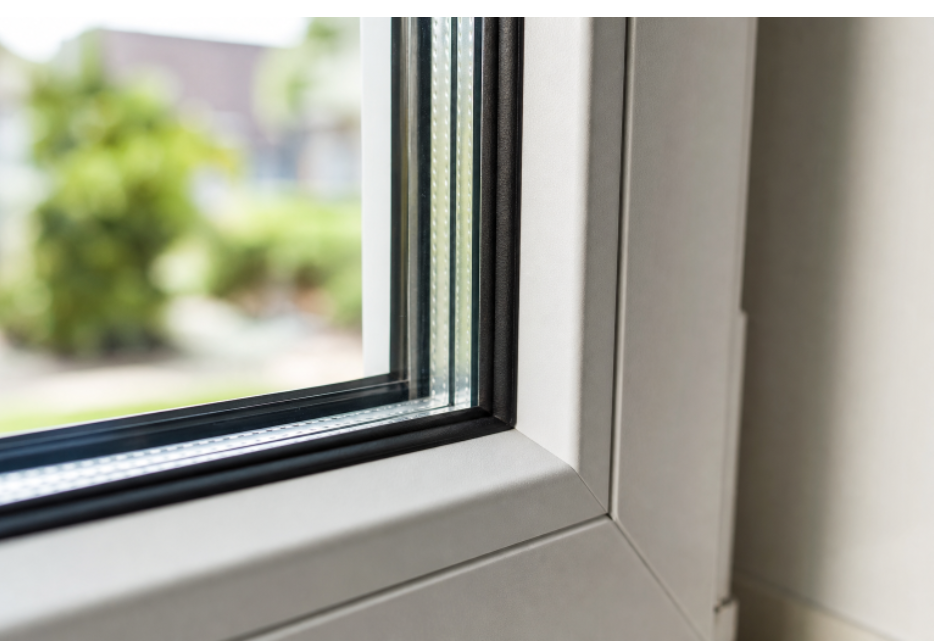
Look for NFRC ratings and compare the entire product, not just the glass. Low-E coatings can reduce heat transfer, insulated glass units improve thermal performance, and argon or krypton gas fills may improve insulation between panes. ENERGY STAR provides product information and climate-based criteria for residential windows, doors, and skylights. Triple-pane glass can be useful in some homes, but its added cost and weight are not automatically necessary for every opening.
Choosing The Right Styles And Materials
Popular Window Styles
- Double-hung: A versatile option with two operable sashes, often suitable for bedrooms, kitchens, and living rooms.
- Single-hung: Similar in appearance, but typically with only the lower sash operating.
- Casement: Hinged at the side and cranked open, offering wide ventilation and a tight compression seal.
- Awning: Hinged at the top, making it useful for bathrooms or areas where ventilation during light rain is helpful.
- Picture: Fixed windows that prioritize views and daylight where ventilation is unnecessary.
- Bay and bow: Project outward to add visual depth, daylight, and occasionally usable interior space.
Frame Material Comparison
- Vinyl: Low maintenance, widely available, and often cost-conscious.
- Fiberglass: Strong and stable, with a good fit for large openings or slimmer profiles.
- Wood: Traditional and warm in appearance, but requires consistent maintenance.
- Composite: Designed to combine durability, insulation, and reduced upkeep.
- Aluminum: Durable with slim sightlines, but should include thermal breaks to improve insulation.
Selecting Entry, Patio, And Storm Doors
Entry doors are commonly made from steel, fiberglass, wood, or composite materials. Compare insulation, weatherstripping, threshold design, locking hardware, glass inserts, and the condition of the jamb. Sidelights and transoms add daylight, but they should be selected carefully when privacy or heat gain is a concern.
Patio doors may be sliding, hinged French-style, or folding multi-panel systems. Look beyond appearance and check track quality, rollers, screen operation, threshold height, drainage, and security hardware. Large glass panels can dramatically brighten a room, but proper glass selection matters when the door faces intense sunlight.
Storm doors can add ventilation and an extra layer of weather protection. Adjustable screens, sturdy closers, reinforced corners, and durable handles are worthwhile features. However, a storm door cannot correct rot, leaks, or structural problems in the main entry door frame.
Planning The Budget
Replacement costs vary because every opening is different. Price can change based on the number and size of units, frame material, glass package, custom colors, specialty shapes, trim work, and whether the project uses insert replacement or full-frame replacement. Permits, structural changes, hidden water damage, disposal, and exterior finishing can also affect the final total.
Ask for a written estimate that separates product costs, labor, preparation, trim, permits, disposal, cleanup, and warranty coverage. Compare detailed scopes rather than choosing solely based on the lowest total. A lower quote may exclude essential flashing, repair work, finishing, or removal of old materials.
What To Expect During Installation
- Assessment: The installer examines frames, trim, wall conditions, signs of moisture, and measurements.
- Selection: Products are matched to the room, climate, performance needs, style, and budget.
- Preparation: Floors, furniture, landscaping, and nearby finishes are protected before removal begins.
- Installation: The unit is set plumb and level, secured, insulated, flashed, and sealed.
- Finishing: Trim, caulk, screens, hardware, and touch-ups are completed.
- Final review: Operation, locks, drainage, screens, and seals are tested before project closeout.
Common Mistakes To Avoid
- Choosing based only on appearance.
- Ignoring climate-specific performance ratings.
- Comparing quotes without checking what is included.
- Assuming triple-pane glass is always the best value.
- Overlooking emergency escape, ventilation, flashing, and drainage needs.
- Skipping permits or structural review when changing opening sizes.
- Failing to save labels, warranties, receipts, and installation records.
Questions To Ask Before Ordering
- Is this an insert replacement or a full-frame replacement?
- What are the U-factor, solar heat gain, air leakage, and condensation ratings?
- How will the existing frame and surrounding trim be inspected?
- What happens if rot or water damage is discovered?
- Who handles permits if the opening size changes?
- What product and labor warranties are included?
- How will the crew protect interior finishes, siding, and landscaping?
- What maintenance will the finished windows and doors require?
Final Takeaway
The right windows and doors balance comfort, climate, durability, operation, energy performance, maintenance, and installation quality. Start with a careful inspection, compare the complete written scopes, and ensure the final work is tested before the project is closed. That approach can help prevent expensive surprises while making the home more comfortable in every season.