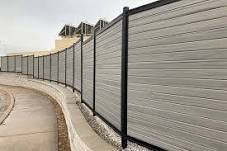
A fence retaining wall is a practical outdoor structure that combines privacy, security, and ground support. It is especially useful for properties with sloped yards, uneven landscapes, or limited outdoor space. By combining a retaining wall with a fence, homeowners can create a neat boundary while making better use of their gardens and outdoor areas.
Whether you are planning a new garden project or upgrading an existing boundary, choosing the right materials and design can make a significant difference. From natural timber to concrete and stone, there are several options to consider.
What Is a Fence Retaining Wall?
A fence retaining wall is a structure designed to hold back soil while supporting or incorporating a fence along the property boundary. It is commonly installed where the ground level changes between two areas.
Unlike a standard garden fence, this combination serves two purposes. The retaining wall manages soil pressure, while the fence provides privacy, security, and a clear property boundary.
How Does It Work?
The retaining wall supports the soil behind it and helps create a level surface. The fence is installed above or alongside the wall, depending on the landscape and design.
Important functions include:
- Holding back soil on sloped properties.
- Creating level garden spaces.
- Improving outdoor privacy.
- Providing additional boundary security.
- Reducing unwanted movement of soil when properly engineered.
- Making landscaping more organised and attractive.
Benefits of Installing a Fence Retaining Wall
Combining a wall and fence can offer several advantages for residential and commercial properties.
Better Use of Uneven Land
Sloping gardens can be difficult to maintain and organise. A retaining wall helps create flatter areas for lawns, seating spaces, pathways, and planting beds.
Adding a fence makes the finished area more practical and visually complete.
Improved Privacy and Security
A fence installed above a retaining wall can increase the overall boundary height. This can help reduce visibility from neighbouring properties and discourage unwanted access.
However, the combined height must comply with local fencing and planning requirements.
Attractive Outdoor Appearance
A well-designed wall and fence combination can improve the appearance of a property. Homeowners can select materials and colours that complement their houses, gardens, and outdoor features.
Better Garden Organisation
Retaining walls can separate different garden levels and create defined spaces. They are useful for raised flower beds, vegetable gardens, and outdoor entertainment areas.
Best Materials for a Fence Retaining Wall
Choosing suitable materials is important for strength, appearance, and long-term maintenance. The right option depends on soil conditions, wall height, climate, and available budget.
Concrete Blocks
Concrete blocks are a popular choice because they provide strength and durability. They are suitable for many retaining wall projects and can be finished with different textures or colours.
They are particularly useful when a property requires a strong structure to support a significant amount of soil.
Natural Stone
Natural stone offers a traditional and attractive appearance. It works well in gardens where homeowners want a natural landscape design.
Stone retaining walls can last for many years when properly constructed, although installation may require experienced professionals.
Timber
Timber is a versatile material for outdoor landscaping. It can create a warm, natural appearance and works well with many garden styles.
Pressure-treated timber is commonly considered for outdoor projects because it is designed to withstand exposure to moisture and other environmental conditions.
Brick
Brick walls provide a classic appearance and can complement traditional homes. They are suitable for certain retaining applications when designed with appropriate structural support and drainage.
How Redwood Privacy Fence Designs Complement Retaining Walls
A redwood privacy fence can be an attractive option for homeowners who want a natural timber appearance alongside a retaining wall. Redwood is valued for its rich colour, attractive grain, and suitability for outdoor fencing.
When properly selected and maintained, redwood fencing can create a stylish boundary above a concrete, stone, or timber retaining wall.
Why Choose Redwood for Privacy Fencing?
Some important advantages include:
- Natural reddish-brown appearance.
- Attractive wood grain.
- Good workability for different fence styles.
- Natural resistance to certain insects and decay.
- Ability to complement traditional and modern landscapes.
Popular Redwood Fence Styles
Homeowners can choose from several designs depending on their privacy requirements and preferred appearance.
- Solid board fence: Provides strong visual privacy with closely installed boards.
- Horizontal slat fence: Creates a modern appearance with clean lines.
- Board-on-board fence: Uses overlapping boards to reduce gaps.
- Lattice-top fence: Adds decorative detail above a solid privacy section.
The fence should be properly supported and attached using suitable posts, brackets, and hardware. Its design must also account for wind exposure and the structural capacity of the retaining wall.
Important Design Considerations Before Installation
Planning is essential before starting any retaining wall and fencing project. A poor design can lead to drainage problems, structural movement, or premature material damage.
Soil Conditions
Different soil types create different levels of pressure against retaining walls. Clay, sandy soil, and loose fill may require different construction approaches.
A professional assessment can help determine the appropriate wall design.
Drainage System
Water accumulation behind a retaining wall can increase pressure and contribute to structural failure.
A suitable drainage system may include:
- Drainage gravel behind the wall.
- Perforated drainage pipes.
- Properly designed outlets.
- Suitable filter fabric to reduce soil movement into drainage materials.
Fence Height and Weight
A tall or heavy fence can increase the load on a retaining wall. Wind pressure can also place additional stress on the structure.
The wall and fence should therefore be designed as a combined system rather than treated as completely separate installations.
Property Boundaries and Local Regulations
Before construction, confirm property boundaries and check local building codes. Some locations have restrictions on retaining wall heights, fence heights, setbacks, and permits.
Steps Involved in Building a Fence Retaining Wall
The installation process depends on the materials, ground conditions, and project size. However, most projects follow several important stages.
Site Inspection and Planning
The first step is examining the property. Contractors assess the slope, soil, drainage, boundary position, and proposed wall height.
Accurate measurements help determine the required materials and construction method.
Preparing the Ground
The construction area is cleared of vegetation, loose soil, and unwanted materials. The foundation area is then excavated according to the project design.
Building the Foundation
A stable foundation helps distribute the weight of the retaining wall. The foundation requirements depend on the wall material, height, and soil conditions.
Constructing the Retaining Wall
The selected materials are installed according to the approved design. Proper alignment, reinforcement, and connections are important for long-term stability.
Installing Drainage
Drainage materials and outlets are installed behind the wall as specified. This helps manage water and reduce pressure on the structure.
Adding the Fence
Once the retaining wall is ready to support the fencing system, suitable posts and panels are installed.
The fence attachment must follow the structural design, particularly when the fence is exposed to strong winds.
Common Mistakes to Avoid
Even attractive outdoor projects can develop problems when important construction details are overlooked.
Avoid these common mistakes:
- Building a retaining wall without considering soil pressure.
- Ignoring drainage requirements.
- Using unsuitable timber for outdoor conditions.
- Attaching heavy fencing without checking structural capacity.
- Choosing materials based only on appearance.
- Ignoring local building regulations.
- Failing to maintain the finished structure.
Working with experienced contractors can help prevent costly repairs and improve the lifespan of the project.
Maintenance Tips for Long-Lasting Results
Regular maintenance helps protect both the retaining wall and the fence.
Inspect the Wall Regularly
Look for cracks, leaning sections, loose blocks, or signs of soil movement. Small problems should be assessed before they become more serious.
Maintain Wooden Fencing
Clean wooden fence surfaces when necessary and inspect them for moisture damage, rot, and insect activity. Apply suitable protective treatments according to the manufacturer’s recommendations.
Keep Drainage Outlets Clear
Remove leaves, dirt, and other debris that may block drainage outlets. Proper water movement is essential for retaining wall performance.
Check Fence Connections
Inspect brackets, screws, posts, and other fixing points. Replace damaged hardware when necessary.
Is a Fence Retaining Wall Worth the Investment?
For properties with uneven ground, limited garden space, or privacy concerns, combining a retaining wall with fencing can be a worthwhile improvement.
It provides practical landscaping benefits while creating a more attractive and organised outdoor environment. However, the total cost depends on wall height, materials, drainage, soil conditions, labour, and fence design.
Getting a professional assessment before construction can help homeowners choose a suitable solution and avoid unnecessary expenses.
Frequently Asked Questions
What Is the Main Purpose of a Fence Retaining Wall?
Its main purpose is to support soil on uneven ground while providing a suitable structure for fencing. It combines landscaping support with privacy and boundary protection.
Can You Install a Fence Directly on a Retaining Wall?
Yes, but the retaining wall must be designed to support the additional weight and wind pressure of the fence. Suitable structural connections are essential.
Is Redwood Suitable for Privacy Fencing?
Yes. Redwood is a popular timber choice because of its natural appearance, workability, and resistance to certain forms of decay and insect damage.
How Do You Prevent Water Damage Behind a Retaining Wall?
Proper drainage is essential. Drainage gravel, perforated pipes, and suitable outlets can help prevent water accumulation behind the wall.
Which Material Is Best for a Retaining Wall?
Concrete blocks, natural stone, timber, and brick are common choices. The best material depends on soil conditions, wall height, appearance, maintenance requirements, and budget.
Does a Retaining Wall Need Professional Installation?
Small landscaping projects may have straightforward requirements, but taller walls, difficult soil conditions, and walls supporting fences often need professional design and installation.
Final Thoughts
A fence retaining wall is an effective way to combine landscaping, privacy, and property boundaries. Choosing suitable materials, planning proper drainage, and considering the additional loads created by fencing are essential for a successful project.
Whether you prefer a strong concrete structure, natural stone, or a warm redwood privacy fence, careful planning can help create an outdoor space that is functional, attractive, and built to last.