A sink that drains a little slowly or a toilet that needs an extra flush may not seem urgent on an ordinary day. Add a houseful of guests, back-to-back showers, and a busy kitchen, and those small annoyances can become much harder to ignore.
The plumbing warning signs worth checking before a gathering are the ones that already interrupt normal use: slow drains, recurring toilet clogs, unexplained moisture, and changes in hot water. A quick walk through the kitchen, bathrooms, and utility area can help you decide what needs attention before the doorbell starts ringing.
Slow Drains Deserve a Closer Look
Run water in the kitchen sink, bathroom sinks, tubs, and showers. Notice whether water clears promptly or collects around the drain. A single slow fixture may have a localized blockage, such as hair or food debris, while several sluggish drains can point to a problem farther along the drainage system.
Listen for gurgling and watch for water appearing in another fixture when a sink or toilet is used. Those clues do not identify the cause on their own, but they give a plumber useful details about where to begin. A recurring clog that returns after a simple cleaning is also worth investigating rather than repeatedly treating the symptom.
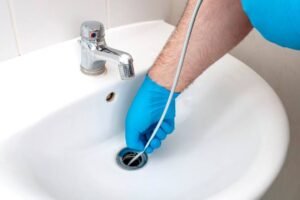
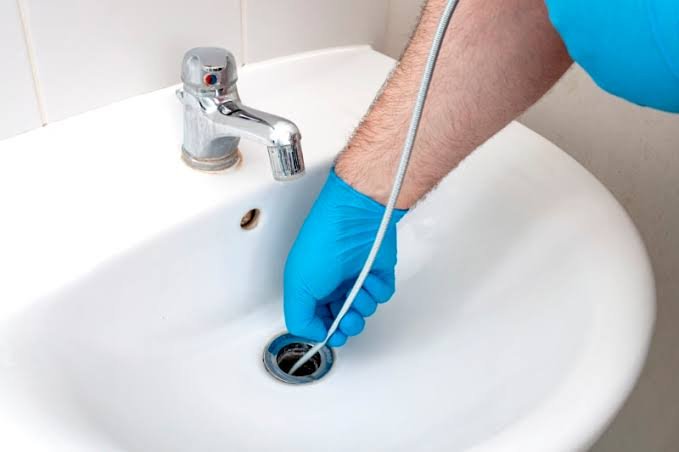
For persistent slow drains, professional drain cleaning can address blockages in kitchen and bathroom lines. Davis & Sons Plumbing lists these services for homeowners in the Metro Atlanta area.
Avoid relying on chemical drain cleaners as a routine fix. They can create a safety hazard for anyone who later opens or works on the drain, and a product that temporarily moves water may not resolve the underlying issue. Tell the plumber if any cleaner has already been used.
Toilets That Clog or Keep Running
A guest bathroom is easy to overlook if your household rarely uses it. Flush each toilet before visitors arrive and check whether the bowl empties normally, refills, and stops running. Look around the base and the supply connection for moisture, too.
A toilet that clogs repeatedly, drains unusually slowly, or causes water to rise in a nearby shower may need professional attention. Stop using the affected fixtures if water backs up, especially if more than one drain is involved. Repeated flushing can make an overflow worse.
A running toilet is a different problem from a blocked drain. It may need an adjustment or a replacement part inside the tank. Even if it still flushes, a steady flow of water can waste water, so it is worth addressing before the gathering.
Check for Water Where It Should Not Be
Open the cabinets under sinks and inspect the areas around toilets, the dishwasher, and the water heater. Damp cabinet floors, warped material, staining, or a musty smell can be clues that water is escaping. Use a dry paper towel around accessible connections to check for fresh moisture, without forcing or tightening anything.
An old stain does not prove a leak is active, and condensation can sometimes be mistaken for one. Dry the area if it is safe to do so, then check whether moisture returns. Photograph what you see and note when it happens, such as only while a sink drains or after a dishwasher runs.
For an active leak, turn off the fixture’s water supply if you can safely identify and operate the valve. If the leak cannot be isolated or water is spreading, shut off the home’s main water supply only if you can reach it safely, and arrange plumbing repair. Keep away from electrical equipment and do not enter standing water near it; contact a qualified professional for help if the shutoff is unsafe to reach.
Notice Changes in Hot Water
More guests can mean showers, laundry, and dishwashing closer together than usual. A household with a storage water heater may need to space out showers so the tank has time to recover. That is different from a new problem with the heater itself.
Pay attention if hot water runs out much sooner than it used to under normal use, the temperature fluctuates unexpectedly, or there is visible leakage around the unit. Several issues can cause these symptoms, so a professional assessment is more useful than assuming the tank simply needs to be replaced.
Do not raise the thermostat to an unusually high setting to compensate for a busy house. Hotter water increases the risk of scalding, particularly for children and older adults. If you are unsure about a safe setting or a heater problem, ask a qualified professional rather than opening or adjusting internal components yourself.
Prepare the Kitchen for Extra Cooking
Holiday cooking brings more dishes and food scraps, but the sink is not a substitute for a trash or compost container. Let cooking grease cool and place it in an appropriate container for disposal. Scrape plates before washing, and use a sink strainer to catch small scraps.
If you have a garbage disposal, follow its manufacturer’s instructions and keep nonfood items out. A disposal can break down some food waste, but it cannot make grease harmless to the drain. If it hums, jams, or stops working, turn it off and follow the manufacturer’s safety guidance. Never put your hand into the disposal.
Keep a small bin accessible while preparing and clearing meals. It makes the right choice easy for guests who may not know how your kitchen is set up.
What to Do if Several Fixtures Back Up
Water backing up in more than one fixture, especially at a lower-level drain, can signal a blockage beyond an individual sink or toilet. Stop running water, flushing toilets, and using appliances that drain until a plumber can assess the problem. Additional water has nowhere to go if the line is blocked and may worsen the backup.
Avoid contact with wastewater, and keep children and pets away from the affected area. If water is close to outlets or electrical equipment, stay out of the area and contact a qualified professional for guidance. Do not open a sewer cleanout or attempt to clear a main line without the proper equipment and experience.
If your home uses a septic system, mention that when arranging service. The cause and the appropriate professional may differ from those for a home connected to a public sewer.
Make a Simple Plan Before Guests Arrive
Give yourself time to check fixtures at least several days before the gathering, rather than waiting until the morning guests arrive. Start with the bathroom guests will use, then move through the kitchen and utility area. Write down anything that has changed or keeps recurring, and schedule an assessment for problems you cannot confidently resolve.
Show another adult where the main water shutoff is located and make sure the path to it is clear. Leave a wastebasket in each bathroom for wipes and other items that should not be flushed, even if packaging describes them as flushable. If guests are staying overnight, spacing showers can also make hot water more predictable.
The goal is not to inspect every pipe in the house or eliminate every possibility of a problem. It is to notice changes early, address the warning signs already present, and know what to do if something goes wrong.