Table of Contents
- The Rise of Plug-In Solar Panels
- Streamlining Solar Permitting Processes
- Integrated Energy Management Systems
- Solar Integration in New Home Construction
- Common Mistakes and How to Avoid Them
- Conclusion
Rising energy costs have prompted many homeowners to seek efficient, sustainable solutions to manage household electricity consumption. Among the available options, solar panels stand out as a technology that not only slashes energy bills but also offers a path to energy independence. With a wide range of installation options emerging and the growing popularity of plug-in solar systems, more people are considering switching to solar. For those seeking professional guidance, experienced solar roofers can help homeowners navigate installation, equipment selection, and incentive programs, ensuring a smooth transition to renewable energy.
The solar industry is rapidly evolving. New policies, streamlined permitting, and integrated energy management solutions are making solar more accessible than ever. Whether you own or rent, market changes mean going solar is now simpler, with fewer barriers for those ready to invest.
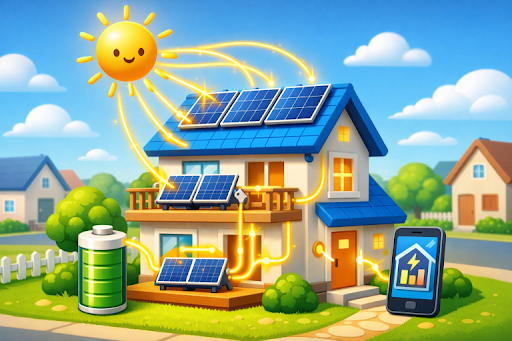
Innovations include flexible plug-in panels for smaller properties, automated approvals that minimize paperwork, and integrated systems that combine solar, battery storage, and smart controls for a truly modern home energy setup. These advancements, driven in part by greater public demand and government support, are laying the groundwork for a future where solar power is an everyday household staple.
Understanding the evolving solar landscape ensures you avoid common purchasing mistakes and make the most of new opportunities. Proper home energy management starts with the right information and the right professionals on your side.
The Rise of Plug-In Solar Panels
For years, traditional rooftop solar required permanent, often expensive modifications to your property. But recently, the introduction of plug-in solar panels (often called balcony solar systems) has transformed the market. These small, self-contained systems can simply be plugged into a standard home outlet. They’re perfect for renters and homeowners who don’t want to commit to major construction or structural changes.
Plug-in solar panels are especially popular in Europe, where regulatory hurdles are lower, and flexibility is valued. For example, in Germany, over 1.2 million plug-in solar setups have been registered, a sign of growing mainstream adoption. This trend is expected to expand globally as more cities and countries update their regulations to make small-scale residential solar easier for everyone. For a deeper look at the regulatory landscape, NPR provides excellent coverage on the hurdles and opportunities in plug-in solar here.
Streamlining Solar Permitting Processes
One of the biggest obstacles to wider solar adoption has historically been the slow, complicated permitting process. Traditionally, getting approval for a rooftop solar installation meant dealing with paperwork, inspections, and long wait times, factors that added costs and deterred homeowners. In response, several states and local governments have implemented automated permitting systems, speeding up the process and making it much more affordable and accessible.
For example, leading solar states are piloting online permitting portals that can approve straightforward rooftop installations in minutes rather than weeks. These improvements reduce both costs and homeowner frustration, further fueling the transition toward clean energy. For a comprehensive look at how permitting innovation is affecting adoption rates, E&E News dives into how these changes are shaping state plans here.
Integrated Energy Management Systems
Managing multiple devices, solar panels, backup batteries, and electric vehicle chargers could be overwhelming. Integrated energy management systems are now simplifying home energy control. With these solutions, homeowners can monitor and adjust their electricity generation, battery storage, and usage all from a single app. This provides greater control over where their power is coming from and how much they use at any given moment.
Some advanced systems even factor in utility pricing changes throughout the day, making strategic decisions for when to charge batteries or sell excess energy back to the grid. This hyper-efficient system design gives homeowners not just comfort but also improved annual energy savings. For a real-world example, Schneider Electric’s platform demonstrates how energy management is becoming more user-friendly and comprehensive. Further details are available through their press release on Schneider Home.
Solar Integration in New Home Construction
Some of the nation’s biggest homebuilders are now including solar panels and battery storage as standard features in new homes. By incorporating solar from the planning and construction stages, these homes are designed for optimal energy efficiency and maximum use of renewable energy from day one. New buyers benefit from long-term energy savings, lower monthly bills, and reduced environmental impact.
Builders such as Qcells are at the forefront, envisioning residential developments where solar and storage are built into every new property. This type of forward-thinking home design is likely to become the norm nationwide as states and municipalities continue to drive higher energy standards. For more insights, Electrek highlights how integrated solar is reshaping homebuilding here.
Common Mistakes and How to Avoid Them
One of the most significant mistakes homeowners make after installing solar panels is failing to update their electricity rate plan. Most utility companies offer alternative pricing plans for solar customers; sticking to your old plan can drastically reduce your potential savings.
To maximize your investment, contact your utility provider or work with a local solar expert to ensure you’re on the best available rate plan. Many state energy offices or solar installer associations can also walk you through the process. For additional guidance, Tom’s Guide has an in-depth explanation of how to avoid common solar mistakes and protect your return on investment here.
Conclusion
Solar technology is paving the way for a more efficient, cost-effective, and sustainable future. With new options like plug-in solar panels, integrated energy management platforms, and streamlined permitting, the road to renewable energy is now open to a much wider audience. By making informed decisions and relying on trusted professionals, homeowners can confidently embrace solar innovation and enjoy the long-term benefits of clean energy for their families and communities.