Table of Contents
- Understanding Residential Water Wells
- Planning and Permitting
- The Drilling Process
- Cost Considerations
- Maintenance and Upkeep
- Water Quality Testing
- Common Issues and Solutions
- Conclusion
Access to a safe and reliable water supply is fundamental for every household. For those living away from city services, this often means depending on a private water well. Gaining a clear understanding of the residential well drilling contractors in pennsylvania helps ensure not only a steady water supply but also long-term safety and sustainability for your home’s water needs.
Many homeowners find the idea of installing a private well daunting. However, with the right information, you can approach this significant investment with confidence. Knowing how wells are drilled, managed, and maintained will prepare you for the unique responsibilities that come with well ownership and help you navigate potential challenges effectively.
Understanding Residential Water Wells
A residential water well is an independently sourced water supply system that draws groundwater from underground aquifers. Unlike public utilities, where the city manages your water, a private well offers direct, personal control over the source and quality. Most modern residential wells are considered “drilled wells,” meaning they penetrate hundreds of feet beneath the surface to reach clean, reliable water. These deeper wells are encased, usually with a steel or plastic lining, and sealed at the surface to guard against contamination.
The physical setup of these systems requires careful planning and specialized equipment. Homeowners must consider the depth of the aquifer, the local soil conditions, and the type of pump needed to bring water to the surface. Because of these variables, the actual water well installation is a multi-step project that goes beyond just making a hole in the ground. It involves setting the casing, sealing the well, and testing the flow rate to ensure a steady supply. Understanding these steps helps property owners make informed decisions when hiring a contractor.
Planning and Permitting
Before a single hole is drilled, homeowners must first address legal and local requirements. Permitting rules can differ by county and state, so you will need to work closely with authorities or consult an expert to ensure complete compliance. Not only does this step help you meet code, but it can also protect property values and avoid costly future remediation. Permitting may also set out well placement, water yield requirements, and minimum separation distances from septic systems or livestock.
The Drilling Process
The process of drilling a residential well consists of several key phases:
- Site Selection: Contractors use geological surveys to locate the most promising spot, both in terms of water availability and distance from possible contamination like septic tanks or fuel tanks.
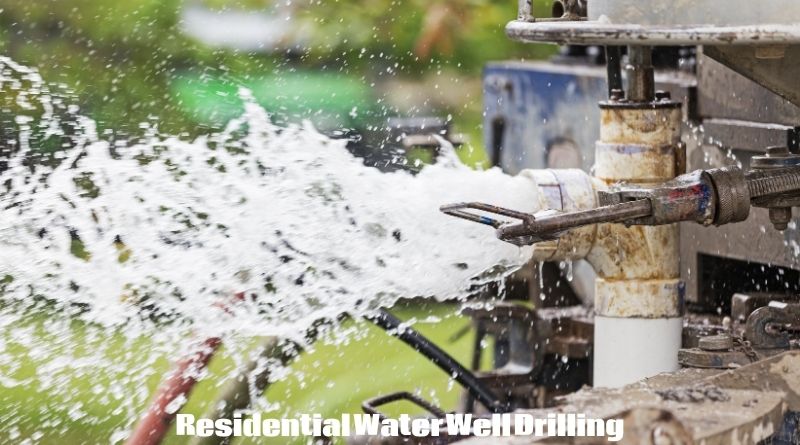
- Drilling: Using hydraulic or rotary drill rigs, workers drill a hole into the ground until they reach a plentiful water-bearing formation.
- Casing Installation: To prevent collapse and contamination, a well casing (steel or durable plastic) is inserted along the length of the drill hole.
- Grouting: The annular space between the casing and borehole wall is sealed with grout, keeping surface runoff and pollutants out of your water supply.
- Pump Installation: A submersible pump is installed to draw water from the well into your home’s plumbing system for daily use.
Cost Considerations
The price of drilling a residential water well can range widely, depending on factors such as soil composition, depth of the well, and geographic location. On average, homeowners in the United States can expect total installation costs between $3,000 and $9,000. The largest portion of this expense is usually drilling, which can cost $25 to $65 per foot. Other budget factors include the cost of casing, the pump system, and any necessary water quality treatment. It is always advisable to secure several estimates from local contractors who are experienced and licensed, so you receive a fair and transparent price.
Maintenance and Upkeep
Once the well is operational, routine maintenance helps maintain water quality and extends the system’s lifespan. Basic tasks include an annual inspection of the visible hardware, regular water testing (at least once per year for bacteria and nitrates), and physical protection of the wellhead. Homeowners should always keep hazardous materials far from the well itself, and routinely check the condition of the cap and surrounding ground to ensure contaminants do not enter.
- Inspect the well at least once a year, including testing for bacteria and other common contaminants.
- Ensure the cap is sealed tight and the surface slope keeps water away from the casing.
- Maintain adequate separation from all potential sources of pollution, as dictated by local regulations.
- Record all maintenance and inspection dates for future reference.
More extensive guidance can be found in the Homeowner’s Maintenance Checklist.
Water Quality Testing
Ensuring that your well water is safe to drink and use is of the highest importance. Water should be tested for bacteria, nitrates, and other region-specific contaminants at least once a year. Sudden changes in taste, appearance, or smell also warrant immediate, more robust testing. Partnering with a state-certified laboratory will provide accurate results and allow you to address any problems swiftly. The Centers for Disease Control and Prevention provides guidelines on how and when to test your well water.
Common Issues and Solutions
Common problems with residential wells include low water pressure, bacterial contamination, and mechanical failure. Low pressure may point to a worn-out pump, mechanical issues, or mineral buildup in pipes, and would require professional diagnosis. In cases of contamination, it is important to disinfect the well using shock chlorination and identify the pollution source for long-term protection. Failure of mechanical parts like pumps or pressure tanks should be addressed immediately to avoid water service interruptions or more significant system damage. Timely attention to any of these problems can prevent larger, more costly repairs in the future.
Conclusion
Investing in and maintaining a residential water well gives homeowners control over their water, but it carries with it unique responsibilities. By understanding the drilling process, cost factors, and the importance of ongoing maintenance, you help protect your water supply for years to come. Good planning and proactive care turn well ownership into a rewarding and secure option for households not served by public utilities.