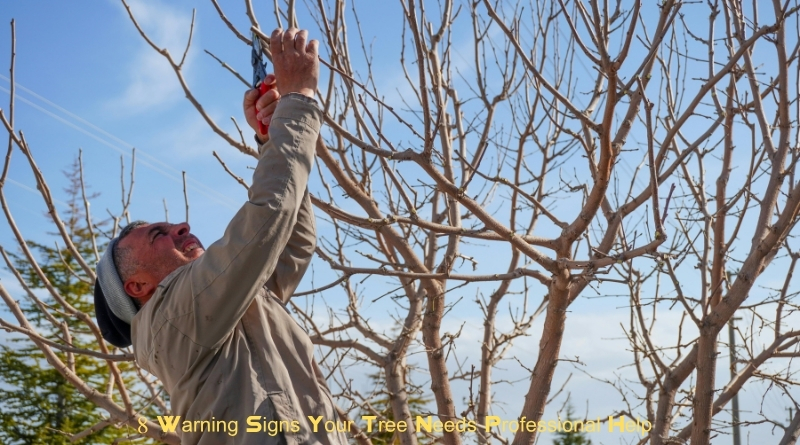
Trees are not only elegant features of our landscapes but also essential to our environment because they produce oxygen, reduce energy costs through shade, and provide habitats for countless species. However, even mature and healthy trees can fall victim to stress, disease, or damage. Early identification of problems not only prevents costly disasters but also protects your landscape’s long-term health. For example, understanding why cutting tree dead branches is important can help improve both the safety and health of your trees.
Unchecked tree problems can lead to personal injury, property damage, and even the loss of valuable greenery. Learning to spot and address these issues can save you trouble and expense while also promoting a thriving and beautiful outdoor space.
Dead or Dying Branches
If branches on your tree lack leaves during the growing season or the wood appears brittle and dry, you are likely dealing with dead or dying limbs. These branches can fall without warning, jeopardizing safety for people, pets, and structures beneath the tree. Safely removing such branches is critical to promote new growth and maintain the tree’s structure. Consulting a certified arborist is highly recommended for proper treatment and pruning methods, as improper removal or delayed action can pose further risks.
Sudden Leaning
A tree that rapidly develops a lean, or one whose lean has obviously worsened, may have underlying problems such as root damage, soil instability, or internal decay. Leaning trees can pose a major hazard after storms or heavy winds. Even a subtle shift could spell trouble, especially if cracks appear in the soil around the base or roots are exposed. A professional arborist can evaluate whether the tree is salvageable or requires removal.
Fungal Growth at the Base
The sudden presence of mushrooms or other types of fungus at the tree’s base is never a good sign. Fungal growth typically signals that internal rot is weakening the tree from within. Since fungi feed on dead or decaying organic matter, their emergence often means root or trunk decay that may destabilize the entire structure. At this stage, expert intervention helps diagnose the extent of decay and recommend proper remediation.
Cracks or Splits in the Trunk
A tree trunk bearing deep cracks or splits is structurally compromised. Cracks provide easy access points for pests, fungi, and other diseases, any of which can threaten the tree’s survival over time. Furthermore, a deeply split trunk may ultimately result in sudden tree failure, particularly during storms. Regular monitoring, along with professional assessment of the depth and extent of any cracks, is important to determine next steps, which may include bracing or removal.
Unusual Leaf Discoloration or Loss
Leaf color and density can be critical signals of a tree’s health. Yellowing, browning, or spotted foliage during the growing season, or premature leaf drop, can signal root problems, water stress, pest infestations, or disease. Abnormal leaf symptoms require quick attention in order to properly diagnose water, nutrient, or pest issues, giving your tree the best chance at a healthy recovery.
Pest Infestations
Indications of pest activity, like small holes in the bark, sticky residue, or sawdust-like material around the tree’s base, should not be ignored. They often lead to profound structural and internal damage if left untreated. Pests such as borers, beetles, or aphids may also encourage disease by weakening tree defenses. Involving a professional not only helps to treat current infestations but also prevents widespread damage to adjacent trees and plants.
Visible Root Damage
Exposed, cracked, or rotting root structures present a substantial hazard to tree stability. Major construction, soil compaction, or flooding often harms roots. When roots are injured, trees can rapidly lose their ability to draw water and nutrients, eventually leading to fall risk. Consulting with a tree specialist can help determine whether the tree poses an imminent danger or if targeted soil and root care are possible solutions.
Bark Peeling or Missing Sections
Bark serves as the vital first line of defense against pathogens, pests, and environmental stress. While many trees shed some bark naturally, widespread peeling or missing patches are usually a clear sign of disease, mechanical injury, or infestation. Persistent bark loss exposes tender layers of the tree, making it much more susceptible to additional threats and rapid decline.
Conclusion
Protecting the health of your trees greatly increases your property’s value, safety, and enjoyment. Early action and regular professional inspections ensure long-lasting, vibrant greenery while minimizing the risk of sudden failures or expensive emergencies. Make proactive tree care a priority this season and enjoy a more beautiful, secure landscape for years to come.