Table of Contents
- Cold Weather Challenges
- Heat and Sun Exposure
- Humidity and Moisture
- Wind and Storm Impact
- Seasonal Maintenance Tips
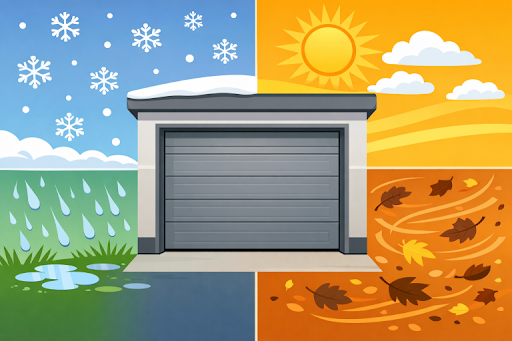
Garage doors play a vital role in home security and daily convenience. As the seasons change, so do the challenges your garage door faces, from cold to blistering heat and everything in between. To protect your investment and keep your garage door operating smoothly, it is essential to understand how these weather conditions affect it and what you can do to maintain it. For anyone seeking the best specialized home installations & maintenance, knowing how weather affects garage doors is the first step to lasting performance.
Each type of weather brings its own set of maintenance needs. Addressing these proactively can prevent costly repairs and ensure reliable operation. Learning about the specific threats posed by cold, heat, moisture, and storms can help you extend the life of your garage door while enhancing your home’s overall value and security.
Weather-related maintenance is not just about preserving appearance; it is about ensuring safety and efficiency. For homeowners considering upgrades or new installations, working with professionals who are weatherproofing experts can be invaluable.
If you are considering premium home improvement services designed to stand up against the elements, explore Skydeck specialized home installations for innovative and resilient solutions.
Cold Weather Challenges
Winter months can be particularly tough on garage doors, especially those with metal components such as springs and tracks. Cold temperatures cause metal to contract, increasing tension and making these parts more prone to brittleness and breakage. It is common for homeowners to experience sticking doors or sluggish operation in freezing temperatures. Additionally, traditional lubricants can solidify when they get cold, which further impedes the smooth movement of hinges and rollers.
To prevent issues, use lubricants designed for low temperatures and inspect your garage door regularly throughout winter. Checking seals and weather stripping will also help keep cold drafts and moisture outside, enhancing both comfort and energy efficiency. The experts at The Spruce offer additional winterization tips to keep your garage system running smoothly.
Heat and Sun Exposure
When temperatures rise, garage door materials can expand and warp. Metal doors are especially susceptible to expansion, which can throw off their alignment, causing noisy operation or even jamming. Wooden doors are at risk of drying out, cracking, and fading under prolonged sun exposure. Intense UV rays can degrade finishes and paint, diminishing both the function and appearance of your garage door.
To protect your investment, apply UV-resistant paint or finishes to your door and schedule maintenance checks before peak summer heat sets in. Adequate ventilation within the garage is important not just for your door but also for items stored inside. Homeowners may consider energy-efficient garage doors that offer better insulation and minimize the impact of extreme temperatures. You can find more on selecting the best garage door for your climate from HGTV.
Humidity and Moisture
High humidity and damp weather introduce new risks for garage doors. Moisture can infiltrate sensitive electrical components, causing malfunctions in openers, sensors, and remotes. For metal doors and hardware, humid air speeds up rust formation, while wooden doors absorb moisture, leading to swelling, warping, and possible rot. Moisture is especially challenging for older garage doors without modern weather seals.
Maintain tight sealing around your garage door to prevent water intrusion. Applying rust inhibitors to all metal parts and proactively treating wood helps prevent long-term damage. If you live in a region with high humidity or frequent rain, consider installing a dehumidifier in the garage to reduce moisture buildup and protect electronic components.
Wind and Storm Impact
Severe winds and storms can put tremendous strain on garage doors, sometimes causing structural damage. High-speed winds create uneven pressure, causing misalignments or allowing the door to come off its track. During severe weather events, flying debris poses a serious threat, potentially denting, cracking, or perforating garage door panels.
Building codes in some areas require reinforced garage doors to withstand storms or potential projectiles. Homeowners can install bracing kits or upgrade to impact-resistant models if they live in storm-prone regions. Checking all door fasteners and tracks after a storm helps prevent minor damage from escalating into major failures over time.
Seasonal Maintenance Tips
Regular, seasonal care is the best way to ensure that your garage door performs flawlessly, no matter the weather. Here are practical tips for each season:
- Winter: Clear ice and snow accumulation from the door and threshold. Use a cold-weather lubricant on moving parts and check that the weather stripping is intact.
- Spring: Inspect the door for corrosion, frayed cables, and worn springs. Ensure the door is balanced to prevent unnecessary strain on the opener.
- Summer: Look for warping, cracks, or fading. Reapply protective coatings and ensure ventilation keeps interior temperatures manageable.
- Fall: Remove leaves and debris from door tracks. Replace cracked weather stripping and prepare the door for colder weather ahead with a full safety inspection.
Understanding how seasonal changes affect your garage door allows you to prevent breakdowns and costly emergency repairs. Taking proactive steps to maintain and upgrade your garage door enhances home security and increases property value year-round.
Additionally, integrating smart technology with your garage door can enable adaptive control in changing weather conditions. For example, Smart openers let you monitor and manage your garage door remotely, closing it quickly if the weather turns unexpectedly bad or opening it for ventilation on hot days. This kind of adaptability is useful for both convenience and enhanced protection against moisture or wind. Furthermore, periodic cleaning of the garage door’s exterior helps to remove corrosive residues and buildup that can result from changing weather, keeping your garage door looking sharp and functioning dependably. Considering energy-saving insulation upgrades can also help you save on utility costs while keeping your garage more comfortable year-round. Lastly, make it a habit to schedule a professional inspection annually. Experts catch early signs of wear or weather-related damage that a homeowner might miss. This proactive approach contributes to long-term savings and peace of mind, ensuring your investment in a quality garage door continues to pay off year-round.
Energy Efficiency and Insulation
One of the most underrated factors in weatherproofing your garage door is its insulation. A well-insulated garage door keeps seasonal temperatures at bay, preventing your garage from becoming uncomfortably hot in summer or icy cold in winter. This, in turn, helps buffer temperature extremes in adjacent rooms, reducing the load on your HVAC system and lowering your energy bills. Insulation also acts as a sound barrier, making the garage and your home quieter during storms or heavy winds. Homeowners should consider upgrading to modern insulated doors, which often feature layers of polyurethane or polystyrene for maximum efficiency. If you already have a garage door, check the weatherstripping and seals to ensure there are no gaps that allow unwanted airflow or water to enter.
Weather seals around the edges of the door, including bottom gaskets and threshold seals, are vital for maintaining a consistent indoor environment. Over time, sun, wind, and rain can break down these materials, making them less effective. Periodically test these seals by running your hand along the edges and feeling for drafts, or by performing a controlled water test with a hose. Replacement seals are relatively inexpensive and can make a significant difference, especially paired with an insulated door panel.
Protecting Garage Door Hardware
In addition to the door itself, the hardware and moving components of your garage system require special care to withstand the elements. Springs, rollers, hinges, and tracks are all vulnerable to damage from temperature extremes or corrosion from moisture. Regular lubrication with the manufacturer-recommended product will help ensure longevity, but make sure to use lubricants suited for the expected conditions; some are designed specifically for low or high temperatures, while others include rust-preventative properties. Inspect fasteners, brackets, and cables for signs of rust or wear, and address any issues promptly to avoid sudden breakage or operational failures.
Consider installing a weatherproof cover for any exposed garage door opener controls, especially if they are mounted outside. Electrical components are inherently susceptible to moisture, and protective casings provide an additional layer of protection. Investing in a surge protector for your garage door opener system is also a wise step in regions prone to electrical storms or power surges, helping to protect the motor and circuitry from expensive damage.
Maximizing Longevity through Proactive Care
Staying ahead of the weather’s impact is all about routine observation and proactive intervention. Create a yearly maintenance checklist that includes visual and functional inspections at the change of each season. Note any unusual noises, resistance, or visible wear, and address the issue before it worsens. Even basic regular cleaning helps prevent long-term buildup of grime, salt, or other corrosive materials, especially in winter when roads are treated with de-icing chemicals that can find their way onto garage components.
Finally, don’t hesitate to consult a qualified technician if you have any uncertainties. While DIY maintenance covers simple tasks, complex problems like spring replacement or electrical issues are best handled professionally. Building a relationship with a trusted local garage door professional can ensure quick and expert solutions if severe weather ever takes its toll. When properly cared for, today’s garage doors are built to offer years of reliable, secure, and attractive service, whatever the weather brings contact us.