Homeowners in Northbrook, Illinois, find that the local climate plays a major role in determining the durability and lifespan of their roofs. The combination of harsh winters, humid summers, and unpredictable storms presents unique challenges year-round, making proactive roof care essential. For those looking to protect their homes and make informed decisions, understanding these weather effects is key. Expert help is easily accessible in the area with roofing services by Len Roofing & Remodeling, a trusted provider known for offering tailored residential roofing solutions. Serving the Northbrook region and neighboring communities, Len Roofing & Remodeling stands out thanks to its dedication to quality, prompt service, and deep local expertise, making it a leader in the industry for installation, repairs, and maintenance.
With these factors in mind, taking deliberate steps to repair and maintain a roof can help prevent costly damage. This article covers how the weather in Northbrook affects roofs, the best materials to withstand local conditions, and essential maintenance tips that every homeowner should know.
Seasonal Weather Challenges
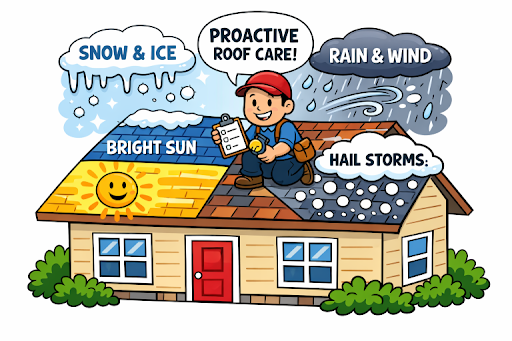
Northbrook’s weather is highly variable, creating many risks for roofs year-round. In winter, heavy snow and ice frequently accumulate, and cold winds can test even the strongest roofing structures. Spring and fall are known for high winds and thunderstorms, while summer introduces heat and moisture. Over time, these cycles weaken roofing systems and accelerate the aging of materials. This unpredictable mix of conditions demands an approach centered on durability and preparedness.
Impact of Snow and Ice
Winter brings more than just frigid temperatures to Northbrook. Accumulated snow and ice often form ice dams, preventing proper water drainage. As water backs up under roof shingles, it can penetrate the underlying structure, causing leaks, rotted wood, or even mold growth within the attic. The sheer weight of wet snow can also put intense physical strain on the roofing framework, sometimes causing noticeable sagging or structural damage. Homeowners should act quickly to remove excess snow and keep gutters clear to reduce these risks.
Effects of Wind and Storms
Northbrook’s springs and autumns often arrive with intense wind and thunderstorms. Gusting winds can lift, curl, or tear shingles, exposing the roof’s inner layers. With shingles missing or displaced, water can easily enter the home after the next rain or snow event. Hail is another weather culprit: large stones striking the roof can create punctures, dents, or cracks in both shingles and flashing. These problems, if left unaddressed, often lead to more severe water damage and require immediate repairs.
Temperature Fluctuations and Roofing Materials
One of the most relentless threats to Northbrook roofs is rapid temperature fluctuation. During the transitional seasons, roofs are exposed to warm afternoons and freezing nights. This process causes roofing materials to expand and contract frequently, leading to gradual wear. Asphalt shingles, popular for their value and ease of installation, can become brittle in cold weather or degrade more quickly under extended summer heat. Clay and tile options fare better in some climates but may not withstand sudden freezes. These stresses make it even more important to select roofing materials designed for flexibility and durability.
Best Practices for Roof Maintenance
Homeowners seeking to maximize their roof’s longevity in Northbrook should prioritize routine maintenance. Experts recommend the following steps:
- Conduct thorough inspections at least twice a year, ideally in both spring and fall, and after major storms.
- Keep all gutters, downspouts, and drainage components clear of leaves and debris to avoid pooling water and ice dam formation.
- Quickly repair or replace damaged or missing shingles to prevent minor issues from worsening.
- Ensure proper attic ventilation and insulation to stabilize indoor temperatures and reduce the effects of external weather extremes.
Creating a schedule for professional roof inspections and having a reliable contractor on call is essential for addressing small issues before they become expensive projects.
Choosing the Right Roofing Materials
The choice of roofing material is crucial in maximizing longevity and performance in Northbrook’s climate. Homeowners have several options that offer varying degrees of durability and resilience:
- Asphalt Shingles: Popular due to affordability and ease of installation, but more susceptible to harsh temperature swings and shorter lifespans in high-stress climates.
- Metal Roofing: Known for its longevity, wind resistance, and low maintenance, though the upfront cost is generally higher. Metal performs well against heavy snow loads and hail.
- Synthetic Roofing: Engineered materials that replicate the appearance of slate, tile, or wood while delivering better weather resistance and lower maintenance needs. They are designed specifically for regions with volatile weather.
Working with specialists who understand the local climate ensures proper installation and maintenance of these materials.
Final Thoughts
Northbrook’s weather puts constant pressure on roofing systems, from heavy snow and ice in winter to wind, hail, and temperature changes throughout the year. Without regular care, these conditions can lead to leaks, damage, and a shorter roof lifespan.
Routine inspections, quick repairs, and proper maintenance are key to preventing costly problems. Choosing durable materials that match the local climate also helps improve long-term performance.
Working with experienced local roofing professionals ensures your roof is properly maintained and ready for seasonal challenges. With the right care, homeowners in Northbrook can protect their homes and avoid unexpected repair costs.
Frequently Asked Questions
How often should I inspect my roof in Northbrook?
You should schedule roof inspections at least twice a year, ideally in spring and fall, as well as after any major weather events that could cause damage.
What are common signs of weather-related roof damage?
Look for missing, curling, or cracked shingles, water stains on ceilings, sagging rooflines, or an unusually high number of granules in gutters. Any detected issues warrant a professional assessment.
Can I maintain my roof myself?
While homeowners can handle basic upkeep such as clearing gutters and debris, climbing onto the roof is risky. It is safer and more effective to hire professionals for inspections, repairs, and maintenance services.
How long does a typical roof last in Northbrook?
The lifespan of a roof depends on material quality and maintenance frequency. Most traditional roofs last between 15 and 30 years, though regular care can help roofs exceed this range.
Is weather-related roof damage covered by homeowner’s insurance?
Many insurance policies include coverage for weather-related damage, such as hail or windstorms, but it is wise to review your policy details and speak with your provider to understand exactly what is covered.
With proper planning and the right materials, Northbrook homeowners can take control of their roof’s longevity, minimizing seasonal risks and weather-related surprises for years to come.