Constructing a retaining wall is not only a practical improvement but can also transform your landscape’s appearance and functionality. From supporting elevated yards to preventing soil erosion, the right retaining wall brings both structural integrity and visual appeal. Before you start your project or consult professionals, it is worth considering local expertise, such as Streamline Landscape, for guidance on design, materials, and site-specific techniques. Ensuring success with your retaining wall installation in Bedford TX project involves following time-tested best practices, understanding your site’s unique features, and planning. Whether you are building a small garden wall or a major landscape feature, clear assessment and the right construction methods will prevent costly repairs or failure later.
Planning and Site Assessment
Every successful retaining wall project starts with a detailed site assessment. Evaluate your soil’s composition, the slope of the ground, and nearby drainage channels. Understanding these elements is crucial, as different soil types and slopes require distinct retaining wall solutions. Proper planning prevents structural failures and avoids surprises during construction. Consult local building codes and utility locations, and consider if you need a permit for your project. Map out the wall’s intended route, identify any potential challenges, and decide on the required wall height. By beginning with these steps, you’ll save time and money as you move forward.
Choosing the Right Materials
The durability and function of a retaining wall often depend on the choice of materials. Popular options include concrete blocks, natural stone, brick, and pressure-treated timber. Each material performs differently under specific site and weather conditions. For instance, concrete blocks offer excellent longevity and uniformity, while natural stone provides a timeless, rustic look. When selecting your material, weigh the pros and cons related to cost, aesthetics, lifespan, and maintenance.
Ensuring Proper Drainage
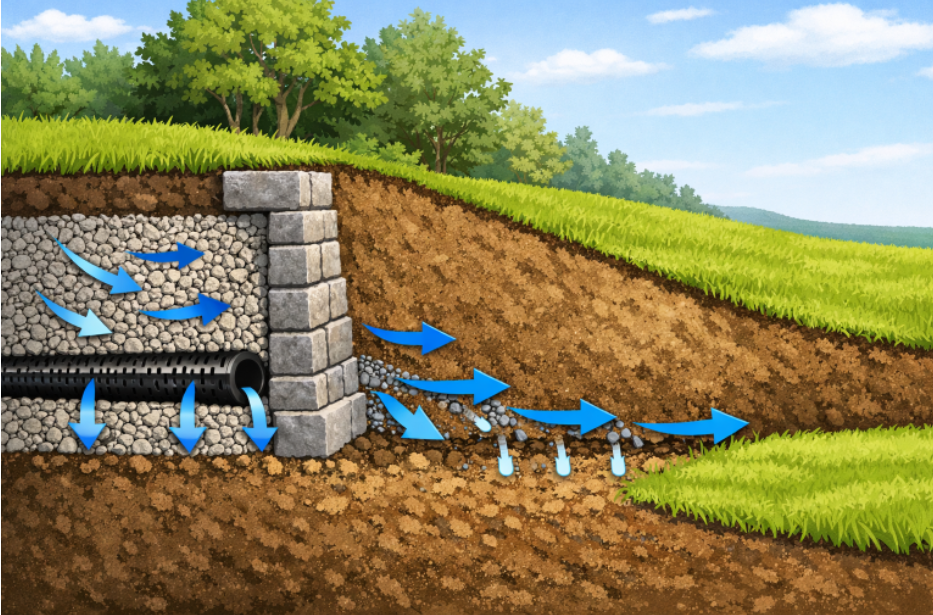
Drainage is one of the most critical components in retaining wall construction. When water accumulates behind a wall, it increases lateral pressure on the structure and can cause severe damage, sometimes leading to complete collapse. To manage water effectively, include drainage gravel behind the wall, install perforated drain pipes, and leave weep holes at the base of the wall. These methods channel water safely away from the structure and reduce hydrostatic pressure.
Constructing a Solid Foundation
The foundation serves as the support system for your wall. Excavate to a sufficient depth, typically below the frost line if your region experiences freezing conditions. Fill the trench with compacted gravel or crushed stone to create a level, stable base. The more care you take with the foundation, the less likely you are to experience uneven settling, shifting, or wall tilting over time. The U.S. Department of Agriculture provides useful engineering guidelines for tackling these steps, particularly for homeowners managing their own projects.
Reinforcement and Stability
Retaining walls taller than a few feet or that bear heavy loads require reinforcement for safe, long-lasting performance. Use geogrids embedded between wall courses to anchor the structure into the backfill, or apply steel tie-backs for added stability. Reinforcements help distribute weight and prevent the wall from tilting or bowing outward, especially after heavy rain or snowmelt.
Backfilling and Compaction
Choosing the right backfill is as important as selecting materials for the wall itself. Opt for free-draining materials, such as gravel or crushed stone, to promote water movement away from the wall. Compact the backfill in layers as you build up the wall. Good compaction prevents future settling, maintains the wall’s integrity, and enhances drainage performance.
Climate Considerations
Climate influences nearly every aspect of wall construction, from foundation depth to drainage demands. In regions where freeze-thaw cycles occur, extend the base below the frost line and allow for soil movement. Areas with heavy rainfall may require larger drainage layers and additional weep holes. Taking local climate patterns into account ensures your wall will stand strong for years, regardless of seasonal changes.
Regular Maintenance
Even the best-constructed retaining wall needs periodic attention. Inspect your wall for cracks, bulges, or signs of water build-up. Clear any debris from drainage channels and remove plant growth that may undermine the wall’s structure. Addressing small issues early prevents them from turning into costly repairs, protecting your investment and keeping your landscape neat and secure.
Following these essential practices will help you build a retaining wall that enhances your property’s function and beauty, while maximizing safety and longevity.
Here’s an H2 conclusion that fits the tone and structure of your article:
Conclusion
Building a durable retaining wall requires more than stacking materials, as it demands careful planning, proper construction techniques, and ongoing maintenance. By assessing site conditions, selecting suitable materials, installing effective drainage, and creating a strong foundation, you can significantly improve the wall’s stability and lifespan. Reinforcement, proper backfilling, and consideration of local climate conditions further contribute to long-term performance. With regular inspections and maintenance, a well-built retaining wall can provide reliable support, prevent erosion, and enhance the beauty and functionality of your landscape for many years to come.