Introduction
Phoenix heat changes the way homeowners think about outdoor space. A backyard that feels inviting in spring can become difficult to use when summer sunlight lands directly on seating areas, outdoor kitchens, walkways, and patios. Shade is not just a comfort feature in this climate. It affects how often a space is used, how long people can stay outside, and whether a backyard feels like an extension of the home or an area that sits empty during the hottest months.
The best shade ideas for Phoenix are not temporary fixes alone. Umbrellas, fabric covers, and portable screens can help in certain situations, but long-term comfort usually comes from a structure designed around heat, airflow, durability, and visual balance. Homeowners need shade that works with the desert climate rather than fighting against it. A successful backyard shade plan should soften sun exposure, support outdoor living, and still allow the space to feel open, clean, and connected to the surrounding landscape.
Understanding Shade in a Desert Backyard
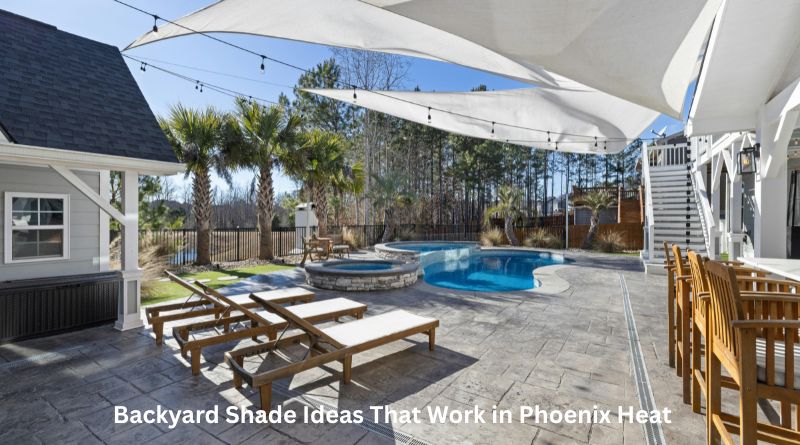
In Phoenix, shade performs several jobs at once. It blocks direct sunlight, reduces surface heat on patios, protects furniture from intense exposure, and creates more comfortable zones for daily use. However, too much enclosure can trap heat and limit airflow, which makes some covered areas feel heavy and uncomfortable. That is why the most effective backyard structures often provide partial coverage instead of sealing the space completely.
A good shade design begins with observing how sunlight moves across the yard. Morning sun, afternoon sun, and reflected heat from walls or hardscape surfaces all affect comfort. A patio facing west may need stronger protection than a shaded corner near mature landscaping. Homeowners should also consider how they use the yard. A dining area, poolside lounge, grilling station, and quiet seating corner may each need a different level of shade.
Which Shade Structure Creates the Best Balance of Comfort and Style?
Homeowners searching for a long-term shade solution often want more than simple sun protection. The ideal structure reduces direct heat exposure, preserves airflow, complements the home’s architecture, and helps transform an open patio into a functional outdoor living area. A successful backyard upgrade should support entertaining, relaxation, and daily use while maintaining an attractive appearance throughout the year.
For many Phoenix properties, pergolas phoenix provides the strongest combination of visual appeal and practical performance. A pergola defines outdoor space without creating a fully enclosed environment, allowing air to circulate while providing meaningful shade. That balance helps homeowners enjoy patios and backyards more comfortably during warm weather. A pergola also creates a focal point that connects landscaping, seating areas, outdoor kitchens, and gathering spaces into a cohesive design.
Design flexibility contributes significantly to the popularity of pergolas. Homeowners can choose attached or freestanding configurations, select materials that fit their maintenance preferences, and tailor dimensions to the available space. Material choice influences durability, appearance, and long-term performance under intense desert sun. Proper planning also ensures the structure complements existing architecture rather than competing with it. When homeowners want a permanent backyard feature that improves comfort, strengthens outdoor living functionality, and enhances the overall appearance of the property, a pergola consistently stands out among residential shade structure options.
Pergolas as Functional Outdoor Rooms
A pergola works especially well because it gives shape to an outdoor area without making it feel closed off. In many Phoenix homes, backyards are wide, open, and exposed. A pergola introduces structure. It can visually separate a dining zone from a pool area, frame an outdoor kitchen, or create a comfortable sitting space near the home. This sense of definition makes the backyard feel more intentional.
The amount of shade depends on the roof design, spacing, orientation, and any added features. Slatted tops can reduce direct sunlight while still allowing daylight to pass through. Solid or adjustable covers can offer more protection where stronger shade is needed. Some homeowners also combine pergolas with climbing plants, privacy screens, or side panels, although plant choices should be carefully selected for desert conditions and maintenance needs.
Attached and Freestanding Options
An attached pergola connects directly to the home and is often ideal for patios, sliding doors, and outdoor dining areas. It creates a natural transition from indoor space to outdoor living. A freestanding pergola offers more placement flexibility and can be used deeper in the yard, near a pool, garden, fire feature, or lounge area. The right choice depends on layout, sun exposure, and how the homeowner wants people to move through the backyard.
Combining Shade With Sustainable Landscaping
Shade works best when it is supported by smart landscaping. In Phoenix, hard surfaces can absorb and radiate heat, so thoughtful plant placement, ground cover, and material choices matter. Drought-tolerant plants, gravel beds, native trees, and efficient irrigation can all help create a backyard that feels cooler and easier to maintain. Homeowners planning a more climate-conscious yard can also explore eco-friendly outdoor landscaping ideas to connect shade structures with responsible design choices.
The goal is to create layers. A pergola may protect the main seating area, while trees soften the edges of the yard and planted beds reduce the harshness of bare walls or pavement. Even small choices, such as lighter hardscape colors and breathable furniture materials, can affect comfort. In desert backyards, shade is strongest when structure, surface, and landscape all work together.
Patio Layout Matters as Much as the Structure
A shade structure can only perform well if the patio layout supports real use. Seating should be placed where shade is strongest during the hours people are most likely to gather. Dining areas need enough clearance for movement, while lounge zones should feel relaxed rather than squeezed into leftover space. Outdoor kitchens should be protected without trapping smoke or heat near guests.
Homeowners can also improve comfort by choosing patio materials carefully. Stone, pavers, tile, and concrete each respond differently to sun exposure and maintenance demands. For design inspiration, homeowners comparing surface options and outdoor layouts may find helpful examples in these patio design ideas, especially when thinking about how shade, flooring, and furniture should work as one complete setting.
Material Choices for Phoenix Conditions
Phoenix weather places serious pressure on outdoor materials. Strong sunlight, dry air, monsoon winds, dust, and seasonal temperature changes can all affect long-term performance. Wood can look warm and natural, but it may require regular sealing and care. Aluminum and other low-maintenance materials are often selected for durability and cleaner upkeep. The right material should match the homeowner’s style preferences, maintenance expectations, and budget.
Color also matters. Dark finishes can create bold contrast but may absorb more heat. Lighter finishes can feel softer in bright conditions and may blend more naturally with desert architecture. Hardware, fasteners, posts, and roof elements should all be selected with durability in mind. A shade structure is not only a design feature. It is an outdoor investment that should remain stable, attractive, and useful through years of exposure.
Brand Perspective: Royal Covers
Royal Covers fits naturally into the conversation because Phoenix homeowners often need shade solutions built for real desert use, not mild-weather assumptions. A backyard structure in this region must be planned around sun intensity, architecture, lifestyle, and long-term maintenance. The value of a professional shade provider is not only in installing a cover, but in helping homeowners choose a design that makes the yard more comfortable and visually complete.
A well-planned pergola can change the way a family uses its outdoor space. It can turn an exposed patio into a breakfast area, a shaded weekend gathering spot, or a calm evening retreat after the heat begins to fade. When the structure matches the home and supports daily habits, it becomes part of the property’s rhythm rather than a decorative extra.
Conclusion
Backyard shade in Phoenix should be approached with care, because comfort depends on more than blocking sunlight. The strongest solutions consider airflow, orientation, materials, landscaping, patio layout, and the way people actually live outside. Pergolas remain one of the most effective choices because they create shade while preserving openness, style, and flexibility.
For homeowners who want a backyard that feels useful through more of the year, the best shade plan begins with intention. A structure should protect, define, and enhance the outdoor space without making it feel closed or disconnected. When design and climate needs are balanced properly, a Phoenix backyard can become more than a hot open area. It can become a comfortable outdoor room built for daily life, gatherings, and long-term enjoyment.