Proper care for your septic system is an important responsibility for homeowners looking to avoid costly repairs and environmental harm. Keeping your system in top shape involves adopting everyday habits and scheduling regular professional servicing. By understanding and applying key maintenance steps, you can improve the efficiency of your system and minimize the risk of failures. For those in Ohio, routine septic tank pumping and maintenance in Dayton ensures your system remains reliable year-round and extends its life.
A well-maintained septic system also protects neighboring wells, groundwater, and the surrounding ecosystem. Neglect or misuse, on the other hand, may lead to unpleasant odors, slow drains, and even hazardous waste entering the environment. Simple measures such as monitoring water usage and responsible waste disposal can make a significant difference in your system’s health.
Whether you are new to septic systems or looking to optimize your routine, understanding the essentials will help you avoid common pitfalls. Don’t overlook the power of routine attention, as early detection of any problem usually leads to easier and less expensive solutions. If you ever notice warning signs like foul smells or soggy ground above the drain field, immediate action can keep minor issues from turning into major ones.
Throughout this article, you will learn the best practices for septic system maintenance, from how to monitor your system’s health to ways of conserving water and protecting the drain field. If you want further information on the scientific aspects and proper management of onsite sewage treatment, reliable resources like the U.S. Environmental Protection Agency’s Septic Systems section are available for more in-depth guidance.
Regular Inspections and Pumping
Having your septic system inspected by a qualified technician every three years is a cornerstone of effective maintenance. Most tanks need to be pumped every three to five years, depending on household size and water usage. Keeping a detailed record of inspections, maintenance, and pumping helps you stay on schedule. Regular attention prevents buildup of solids that can clog the system and lead to expensive repairs, protecting your community’s health and the environment. For more on septic best practices, visit the EPA’s guide on septic system care.
Water Conservation
Excess water usage strains your septic system by forcing it to process more volume than it was designed for. Install high-efficiency toilets, low-flow showerheads, and faucet aerators to reduce the total amount of wastewater entering your tank. Avoid running several water-heavy appliances at the same time and repair leaks promptly. This not only extends the time between pumpings but also decreases the risk of complete system failure due to hydraulic overload. Proactive conservation can help homeowners save money while ensuring consistent performance from their septic systems.
Proper Waste Disposal
Only human waste and toilet paper should enter your septic system. Items such as paper towels, feminine hygiene products, condoms, dental floss, and non-biodegradable wipes can clog the system, disrupting its delicate bacterial balance. Never pour fats, oils, or chemicals down the drain, as these substances make it harder for the septic system to naturally decompose solids. Improper disposal not only impacts your tank but may also lead to contamination of groundwater.
Protecting the Drain Field
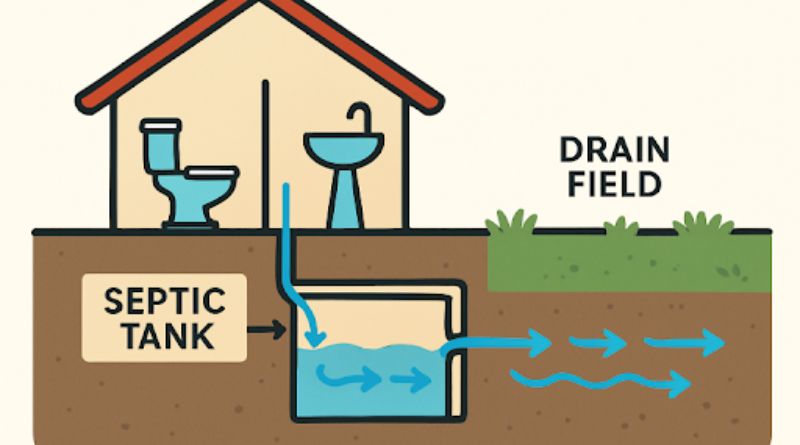
The drain field is an integral part of your septic system, responsible for filtering and dispersing wastewater. To maintain its function, never drive or park vehicles in the area, as heavy-weight compacts the soil and crushes the pipes. Plant trees and shrubs a safe distance away so their roots do not invade and damage the underground infrastructure. Practice water conservation to avoid saturating the drain field, as this can reduce its filtration ability and lead to system backup or swampy yards.
Avoiding Harsh Chemicals
Bleach, drain cleaners, and other aggressive chemical products can destroy the beneficial bacteria in your septic tank, diminishing its ability to naturally break down waste. Opt for biodegradable, septic-safe cleaning products labeled specifically for use with septic systems. When handling household chores, always read labels and only use chemicals that pose no harm to your tank’s microbial ecosystem. These precautions protect your tank’s ability to process waste efficiently and promote longer system life.
Using Septic-Safe Products
The right cleaning and hygiene products help prevent the buildup of harmful residues in your tank and pipes. Stick to detergents, soaps, and toilet paper marked “septic safe.” These products dissolve more easily, reducing the risk of clogs and irritation to your tank’s critical bacteria. Following manufacturer recommendations for use and volume prevents unnecessary stress on your septic system and keeps maintenance simple and straightforward.
Educating Household Members
Teach everyone in your home the importance of proper septic care. Make it clear which items are safe to flush or rinse down the drain and why conserving water is beneficial. Post reminders near toilets and sinks if necessary. When all household members understand and practice good septic habits, you reduce the risk of inadvertent mistakes that could cause major issues in the future.
Seeking Professional Assistance
If you notice any warning signs such as pooling water, sewage odors, or slow drains, contact a septic service professional immediately. Experts can provide customized advice, inspect the entire system, and perform necessary services. Even if your system appears to be functioning well, an annual check-in keeps your maintenance on track and gives you peace of mind. Trust in local experts to address complex problems before they escalate and to keep your septic system healthy in the long run.
With these essential techniques and regular attention to your home’s wastewater system, you can enjoy reliable service, lower the risk of emergency repairs, and ensure a healthier environment for your family and community.