As the construction industry transforms to prioritize environmental responsibility, masonry remains a vital component, offering unmatched durability and timeless aesthetic appeal. By adopting sustainable masonry practices, builders and architects can ensure long-lasting, efficient structures. Companies focusing on resource-efficient practices, such as Mattsco Supply Company, are leading the way by providing quality materials that blend seamlessly with eco-friendly initiatives in construction projects.
Implementing innovative masonry techniques not only supports the environment but also optimizes building performance, from reduced energy use to lessened material waste. Responsible material selection, including sourcing from reliable providers such as industrial pipe supply Tulsa, enhanced manufacturing methods, and digital integration are transforming traditional building strategies. This comprehensive guide outlines these modern approaches and highlights their positive impacts on sustainability in construction, demonstrating how thoughtful choices in materials and technology can create more efficient, durable, and eco-friendly buildings.
Utilizing Reclaimed and Recycled Materials
Reusing bricks, stones, and aggregates from demolition or renovation projects significantly decreases environmental strain. Salvaged masonry not only retains the charm of weathered textures but also makes a meaningful impact by minimizing the demand for new raw materials. For instance, research indicates that incorporating reclaimed bricks can cut embodied carbon emissions by up to 95%, making it one of the most effective eco-friendly strategies available today. Not only does this approach preserve the integrity of vintage craftsmanship, but it also offers an opportunity to celebrate regional history within contemporary designs.
Designing for Thermal Mass Efficiency
Masonry structures have inherent thermal mass, allowing them to absorb, store, and later release heat. By intentionally situating masonry walls and floors where they interact with sunlight, buildings can maintain a more stable indoor temperature. Daytime heat collection is gradually redistributed overnight, reducing heating and cooling loads and boosting energy savings by up to 30%. Passive solar design, highlighted by publications such as Architectural Digest, plays a crucial role in leveraging these energy efficiencies at both residential and commercial scales.
Implementing Low-Carbon Concrete Mixes
Traditional cement and concrete production have a significant carbon footprint, but technological advancements now enable low-carbon alternatives. New concrete mixes include supplementary cementitious materials such as fly ash, slag, and silica fume, all of which reduce reliance on energy-intensive Portland cement. These variations can substantially reduce greenhouse gas emissions, helping the industry move toward set targets for reduced carbon output. The National Ready Mixed Concrete Association has highlighted the ongoing progress and aims for a 50% reduction in concrete-related emissions by 2028.
Embracing 3D-Printed Masonry Elements
Modern 3D printing enables the production of masonry components with complex geometries, tight tolerances, and minimal resource waste. Custom wall sections, façade elements, and even full structural blocks can be printed layer by layer using sustainable material blends. This approach streamlines project timelines, reduces the need for site modification, and ensures a precise material-to-design match. Notably, 3D-printed concrete projects around the globe validate both the feasibility and the sustainability benefits of this rapidly advancing technology. For example, the Japanese company Lib Work has developed an eco-friendly 3D-printed house using a patented mix of 65% soil and sand, slaked lime, and natural fibers, achieving significant CO₂ emission reductions and high earthquake-resistance ratings. ([tomshardware.com](https://www.tomshardware.com/3d-printing/eco-friendly-3d-printed-house-uses-soil-not-cement-building-still-scores-top-earthquake-resistance-rating))
Advancing Prefabrication and Modular Design
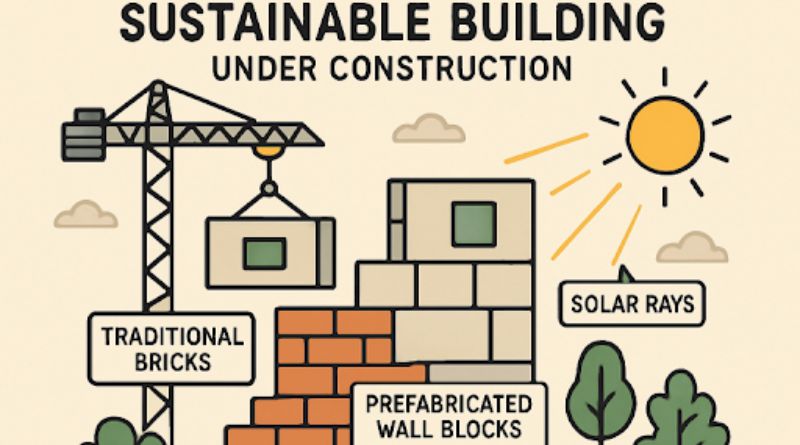
Prefabrication and modular construction techniques are redefining how masonry assemblies are created and delivered. By shifting much of the building process into controlled manufacturing facilities, material efficiency is improved, and waste is reduced. Modular masonry units, set to exact specifications, can be quickly assembled on-site, reducing errors and saving considerable time and resources. This method also promotes safer working conditions and higher product consistency.
Reducing Waste Through Efficient Construction Practices
Effective waste reduction strategies in masonry involve more than simply recycling scraps. Modular and prefabricated units, as well as dry-stack installation systems, minimize the need for excess cutting and eliminate much of the mess associated with traditional masonry jobs. Clean, precise construction sites become standard practice. Salvaging usable debris from deconstruction projects prevents valuable resources from ending up in landfills, nurturing a circular economy within the industry. The EPA provides more detailed guidance in its article on sustainable construction waste management.
Leveraging Digital Tools for Sustainable Planning
Digital innovation in the form of Building Information Modeling (BIM) is transforming sustainability planning in construction. Detailed 3D models enable architects and engineers to simulate, analyze, and refine countless design variations before breaking ground. By visualizing energy use, material flow, and construction sequences early, teams can optimize every project stage, reduce resource excess, and avoid costly mistakes during the build phase. BIM’s role in sustainable construction grows as these digital tools continue to evolve and integrate with advanced masonry techniques.
Conclusion
Integrating modern masonry techniques into sustainable construction frameworks is more than a best practice – it is a foundational approach that ensures resilience and responsiveness to global environmental challenges. By focusing on reclaimed resources, improving energy efficiency, choosing low-carbon materials, embracing new technologies, and using advanced planning tools, the masonry sector contributes directly to a greener built environment. These methods empower builders, designers, and communities to create enduring, beautiful, and sustainable spaces for generations to come.