Understanding the Primary Causes and Signs of Pipe Damage
We understand that a seemingly small leak can quickly escalate into a major headache for homeowners. Hidden pipe damage can lead to significant water waste, property damage, and even health concerns if left unaddressed. In Norwell, MA, ensuring the integrity of your home’s plumbing system is crucial, especially with our unique New England weather patterns. When you suspect an issue, timely and effective pipe repair, carried out by expert HVAC and plumbing professionals, is not just a convenience; it’s an essential step in protecting your investment. This guide will explore why choosing local plumbing experts for pipe repair in Norwell, MA, is the smartest decision for peace of mind and long-term home health.
Homeowners sometimes mistakenly believe that minor pipe issues, such as small cracks or pinhole leaks, pose little immediate threat. However, even the slightest breach in your plumbing system can lead to substantial problems. Water damage can quickly spread, compromising structural integrity, encouraging mold growth, and potentially contaminating your water supply. The costs associated with repairing these secondary damages often far outweigh the expense of an initial pipe repair. Therefore, recognizing the signs of pipe distress early and engaging qualified professionals is paramount. Our goal is to provide you with the knowledge to identify potential issues, understand the repair process, and confidently select a reputable Norwell pipe repair specialist.
Maintaining a healthy plumbing system is vital for any homeowner, and recognizing the early indicators of pipe damage is the first step toward preventing extensive and costly repairs. Many factors contribute to pipe degradation, some of which are particularly prevalent in regions like Norwell, MA. Understanding these causes and their corresponding warning signs can empower you to act swiftly and protect your home.
Early Warning Signs of Hidden Plumbing Leaks
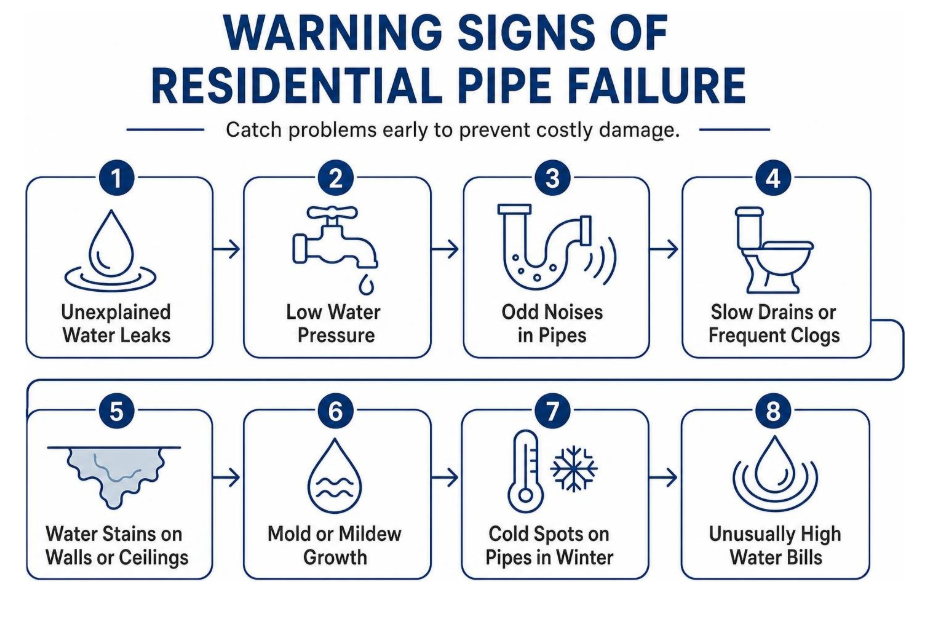
Hidden leaks are insidious; they often go unnoticed until significant damage has occurred. However, your home’s plumbing system usually provides subtle clues if you know what to look for. Being vigilant about these indicators can save you from a plumbing catastrophe.
- Dropping Water Pressure: A sudden or gradual decrease in water pressure throughout your home can be a strong indicator of a leak. If the pressure drops significantly when multiple fixtures are in use, or even when only one is active, it suggests that water is escaping the system somewhere before it reaches your tap. This could be due to a leak in the main supply line or within the internal plumbing.
- Water Discoloration: If your tap water suddenly appears rusty, brownish, or otherwise discolored, it could signal internal pipe corrosion. As pipes degrade, they release sediment and rust into the water supply. While not always a leak indicator, it certainly points to an aging or compromised pipe system that could soon develop leaks.
- Ceiling Stains or Wall Discoloration: Water stains on ceilings or walls are classic signs of a leak originating from pipes above or behind them. These stains may appear as yellow, brown, or dark patches, often accompanied by a soft or bulging texture in the affected material. Even if the stain seems dry, it indicates a past or intermittent leak that requires immediate investigation.
- Soggy Spots in the Yard or Unexplained Puddles: For homes with underground water lines, unexplained wet or soggy spots in your yard, particularly during dry weather, can point to a buried leak. Similarly, puddles forming near your home’s foundation without recent rainfall are a red flag for a leak in an exterior pipe or foundation slab. These can lead to serious structural issues if not addressed.
- Unexplained Moisture or Musty Odors: Persistent dampness in areas like basements, crawl spaces, or utility closets, especially when accompanied by a musty or earthy smell, often indicates a hidden leak. This moisture can foster mold and mildew growth, posing health risks and further damaging your home’s structure.
- Increased Water Bills: A sudden and inexplicable spike in your water bill, despite no change in usage habits, is a common and often undeniable sign of a leak. Even a small, continuous drip can waste hundreds of gallons of water over a month, leading to a noticeable increase in your utility costs.
Regional and Environmental Causes of Pipe Failure
Norwell, MA, like many New England communities, experiences specific environmental conditions that can accelerate pipe degradation and lead to damage. Understanding these local factors helps homeowners appreciate the importance of robust plumbing and professional repair.
- Freeze-Thaw Cycles: The fluctuating temperatures in Norwell, particularly during winter and early spring, create significant stress on plumbing systems. When water freezes, it expands with immense force. If pipes are not properly insulated or are exposed to freezing temperatures, this expansion can cause them to burst. As the ice thaws, the burst pipe then releases water, often leading to sudden and extensive damage. This is a primary concern for outdoor spigots, pipes in unheated basements, crawl spaces, and exterior walls.
- Soil Shifting: The ground beneath our homes is not always static. Seasonal changes, such as periods of heavy rain followed by drought, can cause soil to expand and contract. This shifting can exert pressure on underground pipes, leading to cracks, disconnections, or even complete ruptures. Foundation settlement or nearby construction can also contribute to soil movement and pipe stress.
- Galvanic Corrosion: Many older homes in Norwell may have plumbing systems that combine different types of metals, such as copper pipes connected to galvanized steel fittings. When dissimilar metals are in contact and exposed to an electrolyte (like water), an electrochemical reaction called galvanic corrosion can occur. This process causes one of the metals to corrode at an accelerated rate, weakening the pipe and eventually leading to leaks.
- Tree Root Intrusion: Norwell’s mature landscapes, with their beautiful trees, can unfortunately pose a threat to underground sewer and water lines. Tree roots are naturally drawn to sources of water and nutrients. Even the smallest crack or loose joint in a pipe can attract roots, which then grow into the pipe, expanding and creating blockages or causing the pipe to burst. This is a common issue for older, less robust pipe materials.
- Excessive Water Pressure: While good water pressure is desirable, excessively high water pressure can put undue stress on your entire plumbing system. Constant high pressure can accelerate wear and tear on pipes, fittings, and appliances, leading to premature failure and an increased risk of leaks or bursts. A pressure reducing valve (PRV) can mitigate this risk, but without one, pipes are constantly under strain.
By being aware of these common causes and vigilant about the warning signs, Norwell homeowners can take proactive steps to maintain their plumbing systems and address potential issues before they escalate into major emergencies.
The Financial Advantage of Hiring Local Plumbing Experts
When faced with a pipe repair, homeowners often weigh the costs and benefits of professional service. While it might seem tempting to opt for a quick, unverified fix, the long-term financial advantages of hiring local plumbing experts for pipe repair in Norwell, MA, are undeniable. These professionals not only bring specialized skills but also a crucial understanding of local nuances that can impact both the repair process and its overall cost.
Local Cost Factors and Accessible vs. Concealed Repairs
The cost of pipe repair is not a one-size-fits-all figure; it’s influenced by a multitude of factors, with the location and accessibility of the damaged pipe being paramount. Local plumbing experts in Norwell are uniquely positioned to provide accurate assessments because they understand the regional labor rates, material availability, and common structural designs of homes in the area.
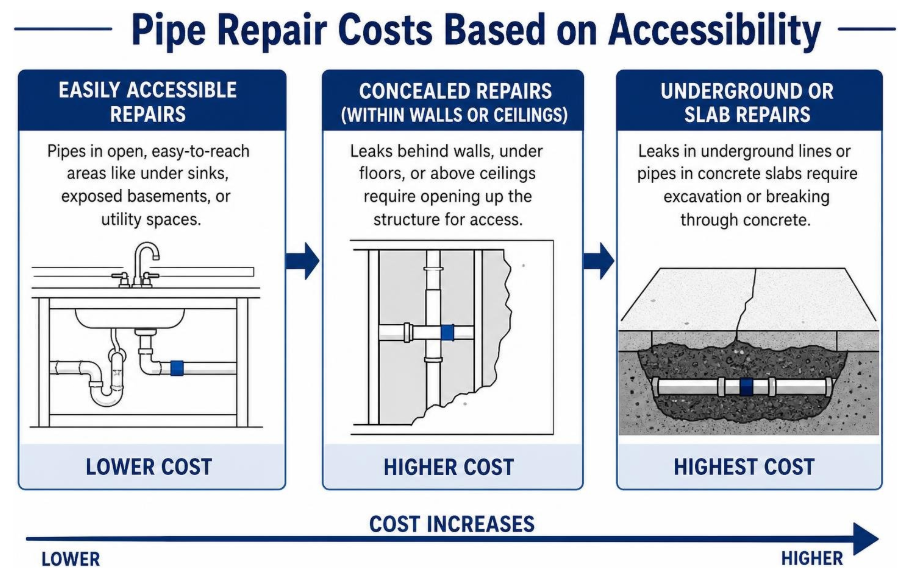
- Accessibility: This is perhaps the most significant determinant of repair costs.
- Easily Accessible Repairs: A burst pipe located under a sink, in an exposed basement, or in an easily reachable utility area will generally be the least expensive to fix. These repairs require minimal demolition or excavation, allowing technicians to quickly diagnose and address the issue. The labor involved is straightforward, and the time required is typically shorter.
- Concealed Repairs (Within Walls or Ceilings): When a leak occurs behind a wall, under a floor, or above a ceiling, the repair becomes more complex and consequently more expensive. Plumbers must carefully open up the structure to access the pipe, which involves additional labor for demolition, repair of the pipe itself, and then restoration of the wall or ceiling. This often requires coordination with other trades, adding to the overall project duration and cost.
- Underground or Slab Repairs: These are typically the most costly and labor-intensive repairs. A leak in an underground water supply line or a pipe embedded in a concrete slab requires excavation, specialized equipment, and significant time. The process often involves digging trenches, breaking through concrete, and then restoring the landscape or flooring. The complexity and potential for disruption to your property significantly drive up the expense.
Local Norwell plumbers are familiar with the typical construction styles in the area, allowing them to anticipate potential challenges with concealed or underground pipes. They can provide more accurate estimates, factoring in local labor costs and the time required for specific types of access.
Targeted Spot Repairs Versus Full Pipe Replacement
Deciding between a targeted spot repair and a full pipe replacement is a critical decision that impacts both immediate costs and long-term plumbing health. Local experts can guide you through this choice, considering the specific condition of your Norwell home’s plumbing.
- Targeted Spot Repairs: This approach involves fixing only the damaged section of a pipe, leaving the rest of the system intact. It is generally the more cost-effective option in the short term, especially if the damage is isolated and the surrounding pipes are in good condition.
- Materials: The type of pipe material influences the repair method. Copper pipes can often be soldered or fitted with specialized clamps. PEX (cross-linked polyethylene) piping is flexible and repaired with crimp fittings. PVC (polyvinyl chloride) pipes, common for drainage, are typically cut and solvent-welded. Each material has specific tools and techniques, which local professionals are proficient in.
- Trenchless Options: For certain underground sewer or water lines, advanced trenchless repair methods like pipe lining or pipe bursting can be employed. Pipe lining involves inserting a new, epoxy-coated liner into the existing pipe, effectively creating a new pipe within the old one. Pipe bursting involves pulling a new pipe through the old one, simultaneously breaking the old pipe apart. These methods minimize excavation, significantly reducing disruption to your yard and property, and can be a cost-effective alternative to traditional trenching for certain types of damage.
- Section Patching: For minor damage, a simple patch or clamp might suffice, offering a quick and relatively inexpensive fix. However, this is often a temporary solution if the underlying cause of damage is systemic.
- Full Pipe Replacement (Repiping): While significantly more expensive upfront, a full pipe replacement, or repiping, involves replacing an entire section of plumbing or even the whole system. This option is typically recommended when:
- Pipes are extensively corroded or have multiple leaks, indicating widespread degradation.
- The existing pipe material is outdated or prone to frequent issues (e.g., old galvanized steel).
- The cost of repeated spot repairs would eventually exceed the cost of a full replacement.
- You are undertaking a major home renovation and it’s opportune to upgrade the plumbing.
A full repiping offers a long-term solution, often increasing property value and providing peace of mind for decades. While the initial investment is substantial, it eliminates the risk of future leaks and ongoing repair costs associated with an aging system. For a more comprehensive understanding of effective pipe repair strategies in the Norwell area, including insights into various materials and methods, a comprehensive guide on fixing your pipes in Norwell, MA, can provide valuable information. Local plumbing experts can assess the condition of your pipes, considering their age, material, and the extent of damage, to recommend the most appropriate and financially sound solution for your home.
How Local Plumbing Experts Diagnose and Resolve Hidden Leaks
The true value of a local plumbing expert shines brightest when dealing with hidden leaks. These elusive issues require more than just a wrench; they demand specialized knowledge, advanced diagnostic tools, and a systematic approach to pinpoint the problem without causing unnecessary damage to your home.
When you contact a Norwell pipe repair specialist about a suspected hidden leak, their first step is a thorough diagnostic process. This isn’t just about visually inspecting an obvious wet spot; it’s about using technology to see what the naked eye cannot.
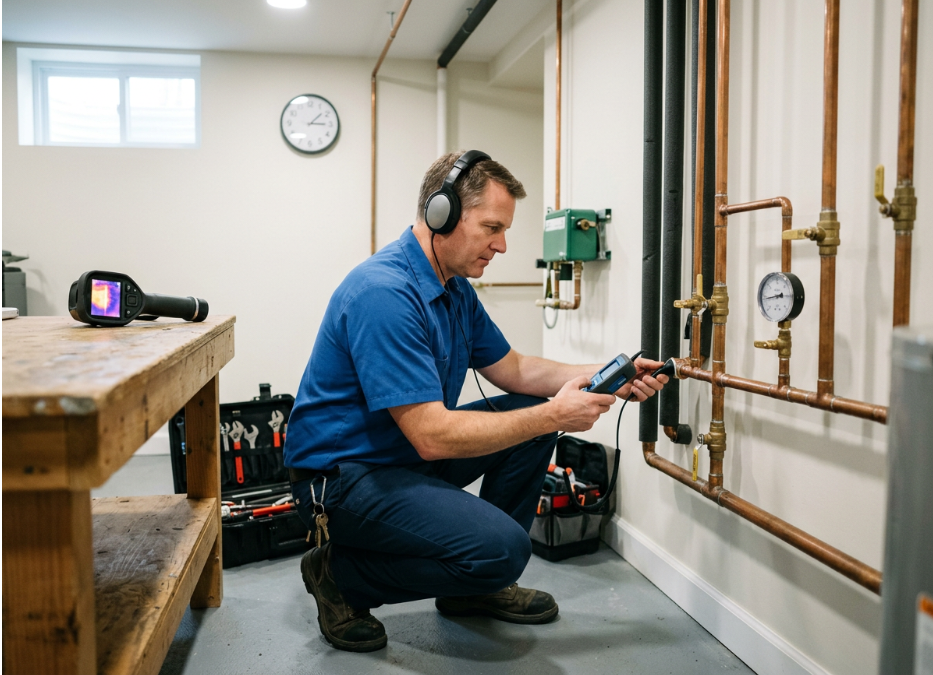
- Acoustic Leak Detection: This sophisticated method involves using highly sensitive listening devices to detect the subtle sounds of water escaping from pipes. Water under pressure creates a distinct noise when it leaks, and trained technicians can use acoustic sensors to pinpoint the exact location of the leak, even if it’s behind walls, under floors, or buried underground. This non-invasive technique minimizes the need for exploratory demolition.
- Thermal Imaging: Leaking water often creates a temperature differential compared to its surroundings. Thermal imaging cameras can detect these subtle temperature changes, revealing hidden moisture within walls, ceilings, or under flooring. This visual representation of heat patterns helps technicians narrow down the area of a leak, making the subsequent repair more targeted and less disruptive.
- Pressure Testing: This involves isolating sections of your plumbing system and applying a controlled amount of pressure. If the pressure drops in a particular section, it indicates a leak within that segment. This method is excellent for confirming the presence of a leak and identifying which part of the system is compromised, even if the exact location isn’t immediately visible.
- Video Camera Inspection: For issues within drain lines or larger pipes, plumbers utilize miniature, waterproof cameras attached to flexible cables. These cameras are snaked through the pipes, providing a real-time visual feed of the pipe’s interior. This allows technicians to identify cracks, blockages, root intrusion, or other damage without extensive excavation.
Once the leak is precisely located, the repair process begins. Local experts prioritize methods that ensure minimal disruption to your home. For instance, if a leak is found behind a wall, they will aim for the smallest possible opening to access and repair the pipe. For underground leaks, trenchless repair options, as discussed earlier, may be employed to avoid digging up your entire yard.
A common concern during pipe repair is the interruption of water service. We understand that losing access to running water, even temporarily, can be inconvenient. However, local Norwell pipe repair specialists are highly efficient. In most cases, water supply will be cut off for only a brief period, often around 15 minutes, for a new connection or immediate repair. For more extensive repairs, the water may need to be off for longer, but technicians work diligently to restore service as quickly as possible, ensuring your household’s routine is minimally impacted. This rapid water restoration is a testament to their expertise and dedication to customer service.
Critical Credentials to Verify Before Hiring Local Plumbing Experts
Choosing a plumbing professional for pipe repair in your Norwell home is a decision that should never be taken lightly. The quality of the repair directly impacts your home’s safety, structural integrity, and long-term plumbing performance. To ensure you’re hiring a reputable and qualified expert, it’s crucial to verify their credentials. This due diligence protects your investment and provides peace of mind.
- State Licensing: The most fundamental credential to verify is a valid state license. In Massachusetts, plumbers are required to be licensed by the State Board of Examiners of Plumbers and Gas Fitters. This license signifies that the individual has met rigorous educational, training, and examination requirements, demonstrating their competency and adherence to state-mandated plumbing codes. A licensed plumber is knowledgeable about the specific regulations and standards that apply to plumbing work in Norwell and across Massachusetts. Always ask for their license number and verify its active status with the state board.
- Certifications: Beyond basic licensing, specialized certifications indicate a plumber’s expertise in specific areas. These might include certifications for working with particular pipe materials (like PEX or copper), advanced leak detection technologies, trenchless repair methods, or even specific plumbing systems. While not always mandatory, these certifications demonstrate a commitment to ongoing education and mastery of modern plumbing techniques, ensuring they are equipped to handle a wide range of pipe repair challenges.
- Liability Insurance: This is a non-negotiable requirement. A reputable plumbing company will carry comprehensive liability insurance. This insurance protects you, the homeowner, in the event of accidental damage to your property or injury to a technician while they are working on your premises. Without it, you could be held financially responsible for unforeseen incidents. Always ask for proof of insurance and confirm its validity.
- Worker’s Compensation Insurance: If the plumbing company employs multiple technicians, they should also carry worker’s compensation insurance. This protects their employees in case of workplace injury and, importantly, prevents you from being liable for medical expenses or lost wages if an incident occurs on your property.
- Project Warranties: A professional plumbing expert stands behind their work. Inquire about the warranties they offer on both parts and labor. A good warranty provides assurance that if an issue arises with the repair within a specified period, they will return to fix it at no additional cost. This demonstrates their confidence in the quality and durability of their work.
- Local Knowledge and Reputation: While not a “credential” in the traditional sense, local knowledge is invaluable. A Norwell-based plumber will be familiar with the common plumbing issues specific to the area, the local building codes, and the permitting process if your repair requires one. They often have established relationships with local suppliers and can respond more quickly to emergencies. Checking online reviews, testimonials, and asking for local references can provide insight into their reputation within the community.
By diligently checking these critical credentials, you ensure that the plumbing expert you hire is not only skilled and experienced but also operates ethically and responsibly. This careful selection process is your best defense against shoddy workmanship, potential liabilities, and the stress of unresolved plumbing issues.
Frequently Asked Questions About Residential Pipe Repair
Homeowners often have many questions when facing a pipe repair issue. Understanding the typical processes, timelines, and reasons for professional intervention can help alleviate concerns and empower you to make informed decisions. Here, we address some of the most common inquiries regarding residential pipe repair in Norwell, MA.
How long does a typical residential pipe repair take to complete?
The duration of a residential pipe repair can vary significantly depending on several factors, including the nature of the damage, the type of pipe, its accessibility, and the complexity of the repair method. However, most standard residential pipe repairs are designed to be completed efficiently to minimize disruption to your daily life.
For many common issues, such as a leak in an exposed pipe or a straightforward connection repair, the job can often be completed within a few hours. In fact, many residential repairs typically take between one to four hours, often concluding within half a day. This includes the time needed for diagnosis, preparation, the actual repair, and a final check to ensure everything is functioning correctly.
More complex scenarios, such as leaks within walls, under concrete slabs, or extensive damage requiring multiple pipe sections to be replaced, will naturally take longer. These might involve additional steps like opening up structures, specialized excavation, or the use of trenchless technologies, which can extend the project to a full day or even longer. However, even in these cases, professionals strive for efficiency.
A key concern for homeowners is the interruption of water supply. As mentioned previously, for a simple connection or immediate repair, the water supply might only need to be cut off for a very brief period, sometimes as little as 15 minutes, allowing technicians to establish a new connection or perform the necessary work with minimal inconvenience. For more extensive repairs, the specialist will communicate the expected duration of water shutoff, ensuring you are prepared.
What is the typical cost range for residential pipe repairs?
The cost of residential pipe repair is highly variable and depends on numerous factors, making it challenging to provide a single figure. Instead, it’s more accurate to consider a range influenced by the specifics of your situation.
As discussed earlier, accessibility is a major cost driver. An easily accessible burst pipe, such as one located in an exposed basement or under a sink, will typically fall into the lower end of the cost spectrum due to less labor and time required for access and repair. These repairs are relatively straightforward, often involving replacing a small section of pipe or sealing a joint.
Conversely, repairs involving pipes hidden within walls, under flooring, or buried underground will incur significantly higher costs. These situations necessitate additional labor for demolition, excavation, and subsequent restoration of the affected areas. Specialized equipment, like acoustic leak detectors or trenching machines, also contribute to the overall expense.
Other factors influencing the cost include:
- Type of pipe material: Different materials (copper, PEX, PVC, galvanized steel) have varying material costs and require specific repair techniques and tools.
- Extent of damage: A small pinhole leak is less costly to fix than a large burst pipe or multiple compromised sections.
- Emergency vs. scheduled repair: Emergency services outside of normal business hours often come with higher rates.
- Geographic location: While we focus on Norwell, local labor rates and material costs can vary.
While we cannot provide specific numbers here, it’s important to understand that costs can range from a relatively modest amount for simple, accessible fixes to a substantially higher investment for complex, concealed, or extensive repairs. The best way to get an accurate estimate is to have a qualified Norwell plumbing professional assess your specific situation.
Why should homeowners avoid DIY pipe repairs?
While the allure of saving money through DIY projects is strong, attempting pipe repairs without the necessary expertise and tools can lead to far greater problems and expenses in the long run. Professional pipe repair is not just about stopping a leak; it’s about ensuring the long-term integrity and safety of your home’s plumbing system.
Here are critical reasons why homeowners should avoid attempting DIY pipe repairs:
- Risk of Water Contamination: Improperly repaired pipes, especially those connected to your potable water supply, can introduce contaminants into your drinking water. Unsanitary tools, incorrect materials, or faulty connections can create pathways for bacteria, dirt, or other harmful substances to enter your system, posing serious health risks to your household.
- Extensive Structural Damage: A poorly executed repair can fail, leading to a larger, more catastrophic leak. This can result in significant water damage to your home’s structure, including ceilings, walls, flooring, and foundations. Such damage often leads to costly mold remediation, wood rot, and compromised structural integrity, far exceeding the initial repair cost.
- Non-Compliance with Building Codes: Plumbing work, particularly repairs to water supply lines or drainage systems, is subject to strict local and state building codes. These codes are in place to ensure safety, efficiency, and public health. DIY repairs often fail to meet these standards, which can lead to fines, requirements to redo the work by a licensed professional, and complications when selling your home.
- Voiding Homeowner’s Insurance: Many homeowner’s insurance policies have clauses that may void coverage for damages resulting from unpermitted or unprofessional repairs. If a DIY repair leads to a subsequent flood or extensive damage, your insurance company might deny your claim, leaving you responsible for all costs.
- Making the Problem Worse: Without proper diagnostic tools, it’s easy to misdiagnose the source of a leak or damage. Attempting to fix the wrong pipe or using incorrect techniques can exacerbate the original problem, create new leaks, or damage adjacent plumbing components, turning a minor issue into a major plumbing emergency.
- Lack of Specialized Tools and Materials: Professional plumbers invest in specialized tools for leak detection, pipe cutting, joining, and sealing that are not typically available to the average homeowner. They also have access to high-quality, code-compliant materials. Using substandard tools or incompatible materials can lead to weak points in the system and premature failure.
For these reasons, it is always advisable to contact a licensed and insured plumbing professional for any pipe repair, no matter how small it may seem. Their expertise ensures the repair is done correctly, safely, and in compliance with all regulations, protecting your home and your family.
Conclusion
The integrity of your home’s plumbing system is fundamental to its safety, comfort, and value. In Norwell, MA, where environmental factors can pose unique challenges to pipes, proactive maintenance and swift, professional intervention for repairs are not just recommended—they are essential. From understanding the subtle signs of a hidden leak to appreciating the regional causes of pipe damage, being an informed homeowner is your first line of defense.
Choosing local plumbing experts for your pipe repair needs offers unparalleled advantages. Their familiarity with Norwell’s specific conditions, building codes, and common plumbing issues allows for more accurate diagnoses and efficient, long-lasting solutions. While the immediate cost of a professional repair might seem like an investment, it pales in comparison to the potential financial burden and emotional stress of extensive water damage, structural compromise, or health hazards resulting from neglected or improperly handled pipe issues.
We’ve explored the critical distinctions between accessible and concealed repairs, the strategic choice between targeted fixes and full replacements, and the advanced diagnostic techniques employed by professionals. Most importantly, we’ve highlighted the non-negotiable importance of verifying credentials—licensing, insurance, and warranties—to ensure you entrust your home to truly qualified hands.
Never underestimate the potential severity of even a minor leak. Early detection and prompt action by a licensed expert can prevent a small drip from becoming a flood, safeguarding your property value, ensuring structural safety, and preserving the peace of mind that comes with a well-maintained home. When a plumbing issue arises in your Norwell home, investing in professional pipe repair is an investment in your home’s future.
Read Also: