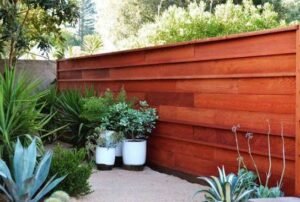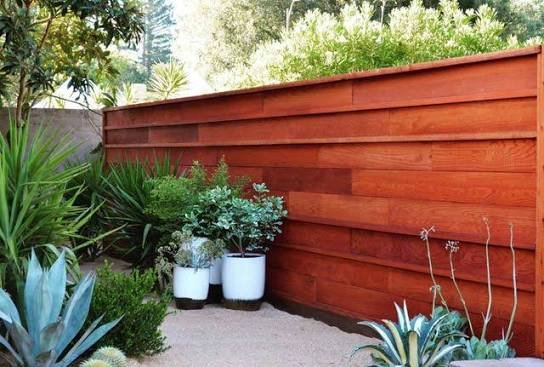
A well-designed outdoor space can improve privacy, functionality, and the overall appearance of a home. A professionally constructed fence retaining wall helps manage sloping ground while creating a defined outdoor boundary, and a redwood privacy fence adds natural beauty and seclusion. A & J Fencing is an example of a residential outdoor construction company serving homeowners across San Francisco, Oakland, San Jose, and the Tri-Valley. Its services include redwood fencing, decks, retaining walls, gates, and patio covers, helping homeowners enhance their outdoor spaces through quality craftsmanship, personalized service, and reliable construction solutions. Learn more at A & J Fencing.
When planning a backyard improvement, choosing the right materials and construction methods is essential. Whether you need a durable fence retaining wall for uneven terrain or a stylish redwood privacy fence for a secluded garden, careful planning can help you achieve a practical and attractive result. Working with an experienced contractor also helps ensure that drainage, structural support, property boundaries, and local building requirements receive proper attention.
Why Drainage Matters
Water pressure behind a retaining wall can cause serious problems if drainage is inadequate. Poor drainage may contribute to cracking, leaning, soil movement, or premature structural failure.
A suitable drainage plan may include drainage aggregate, perforated pipes, filter fabric, and properly directed outlets. The exact arrangement depends on the wall design and site conditions.
Homeowners should address drainage during construction rather than waiting until water begins collecting behind the wall.
Combining a Redwood Privacy Fence With a Retaining Wall
Combining a fence and retaining wall can create a more organized and attractive backyard. This arrangement is especially useful for properties where a slope makes it difficult to install fencing directly along the ground.
A coordinated design can provide privacy while creating a level garden, protecting landscaping, or separating different outdoor activity areas.
Important Design Considerations
Structural support: The retaining wall must be designed to support the expected soil pressure and any additional loads. A fence attached to or installed near the wall may introduce extra wind loads and structural demands.
Fence placement: The fence should be installed according to the wall design and applicable safety requirements. Fence posts should not compromise the wall’s stability or drainage system.
Material coordination: Redwood fencing can complement concrete, stone, or timber retaining walls. Matching colors and finishes can create a unified landscape.
Drainage planning: Water should be directed away from the wall, fence posts, and the home’s foundation wherever practical.
Local requirements: Check applicable building codes, property-line restrictions, fence-height limits, and permit requirements before construction begins.
A professional assessment is particularly important when the proposed wall is tall, supports a substantial slope, or sits near a building, driveway, or neighboring property.
Residential Fencing Services for Different Needs
Residential fencing serves several purposes, including privacy, security, boundary definition, and visual appeal. Selecting the right design depends on the property’s layout and how the outdoor space will be used.
Privacy Fencing
Privacy fencing is ideal for homeowners who want a more secluded backyard. Solid redwood panels are a popular option for patios, gardens, swimming pool areas, and outdoor seating spaces.
The fence height, board spacing, and finish should suit the property’s design and local regulations.
Gates and Property Access
Gates provide convenient access while maintaining a consistent appearance with the surrounding fence. Options include pedestrian gates, wider side-yard gates, and driveway gates.
Quality hinges, suitable latches, strong posts, and accurate installation are important for smooth operation and long-term reliability.
Decks and Patio Covers
Decks can create additional space for relaxing, entertaining, and enjoying the outdoors. Patio covers provide shade and can make outdoor seating areas more comfortable during sunny weather.
When these features are planned alongside fencing and retaining walls, homeowners can achieve a more cohesive outdoor design.
Choosing a Residential Outdoor Construction Contractor
Selecting the right contractor can help prevent expensive mistakes and improve the overall quality of a project.
What to Look For
- Relevant experience: Choose a contractor familiar with the type of fencing, wall, deck, or patio structure you need.
- Clear estimates: Request an itemized proposal covering materials, labor, preparation, and other anticipated costs.
- Material knowledge: Ask about the durability, maintenance, and suitability of the proposed materials.
- Project communication: Make sure the contractor explains the schedule, design decisions, and expected construction stages.
- Licensing and insurance: Verify the appropriate credentials and insurance coverage for your location and project.
- Local code knowledge: Confirm that the contractor understands applicable permits and construction requirements.
It is also useful to review previous projects and ask how the contractor handles drainage, uneven terrain, and unexpected site conditions.
Outdoor Construction Services Across the San Francisco Bay Area
Homeowners across the Bay Area often need outdoor construction solutions that account for different property layouts, soil conditions, and local regulations. Urban yards, sloping residential lots, and larger suburban gardens may each require a different approach.
A & J Fencing is an example of a company homeowners can consider when exploring residential fencing and outdoor construction services in San Francisco, Oakland, San Jose, and the Tri-Valley.
Its range of services includes redwood fencing, retaining walls, decks, gates, and patio covers. Coordinating these features can help homeowners create outdoor spaces that are functional, visually appealing, and suited to their individual needs.
Before choosing a contractor, discuss your property’s requirements, preferred materials, budget, and project goals. Request a detailed estimate and confirm the service area and scope of work directly with the company.
How Much Does Residential Fencing and Retaining Wall Construction Cost?
Project costs vary considerably depending on the size, materials, labor requirements, and complexity of the site. A straightforward fence installation generally involves different costs from a project that includes excavation, drainage improvements, or a structurally engineered retaining wall.
Factors That Affect the Price
- Project dimensions: Longer fences and larger walls require more materials and labor.
- Material selection: Redwood, concrete, stone, and composite materials have different price points.
- Ground conditions: Slopes, rocky soil, and difficult site access may increase preparation costs.
- Removal work: Taking down an existing fence or wall adds labor and disposal expenses.
- Design complexity: Custom gates, decorative finishes, and integrated outdoor features can increase the total.
- Permits and engineering: Some projects require additional design, inspection, or approval expenses.
For a reliable estimate, arrange a site assessment and request a written breakdown of the proposed work. Comparing quotes is most useful when each contractor is pricing the same dimensions, materials, and specifications.
Common Mistakes to Avoid
Ignoring Drainage
Poor drainage can undermine a retaining wall and damage surrounding landscaping. Include water management in the initial design.
Choosing Materials Only by Appearance
A material may look attractive but still be unsuitable for the site’s conditions. Consider structural performance, maintenance, durability, and total ownership costs.
Installing a Fence Without Checking Requirements
Property boundaries, height restrictions, easements, and permit rules can affect where and how a fence is installed. Verify these details before construction starts.
Overlooking Maintenance
Even durable outdoor materials need periodic inspection. Check wood for deterioration, metal hardware for corrosion, and retaining walls for movement or drainage problems.
Separating Related Projects
Building a fence, retaining wall, deck, and patio cover without coordinating their designs can lead to drainage conflicts, awkward transitions, or unnecessary rework. Planning related features together can improve the finished result.
Conclusion
Residential fencing and outdoor construction can transform an ordinary yard into a more private, functional, and attractive space. Redwood fences provide natural beauty and privacy, while retaining walls help manage changes in elevation and create more usable landscaping areas.
Combining these features requires careful planning, suitable materials, effective drainage, and attention to local construction requirements. Homeowners should evaluate their property’s conditions and work with experienced professionals when a project involves structural walls or challenging terrain.
For homeowners in San Francisco, Oakland, San Jose, and the Tri-Valley, A & J Fencing offers an example of a provider whose services include fencing, retaining walls, decks, gates, and patio covers. With a well-planned design and quality construction, outdoor improvements can deliver practical benefits and lasting visual appeal.
Frequently Asked Questions
What is the purpose of a fence retaining wall?
A retaining wall holds back soil on sloped ground, while the fence provides privacy, security, or a defined boundary. Combining them can make uneven outdoor areas more usable and attractive.
Is redwood a good material for privacy fencing?
Yes. Redwood offers natural beauty, useful outdoor durability, and a range of design options. Regular maintenance and correct installation help protect it from weather-related deterioration.
Can a fence be installed on top of a retaining wall?
Yes, when the wall is specifically designed to support the fence and its additional loads. A qualified professional should evaluate the wall’s structural capacity, wind exposure, drainage, and applicable codes.
Does a retaining wall require drainage?
Most retaining walls need appropriate drainage provisions to control water pressure behind the structure. The exact system depends on the wall’s design, height, soil conditions, and surrounding landscape.
What should I consider before hiring a fencing contractor?
Review relevant experience, written estimates, materials, licensing, insurance, local code knowledge, and examples of previous work. Confirm the scope, schedule, and payment terms before signing an agreement.
Which outdoor construction services can be combined in one project?
Homeowners may coordinate fencing, retaining walls, decks, gates, and patio covers. Planning these features together can help create a consistent design and reduce the risk of conflicting construction details.