Key Takeaways
- Odors often come back because the source was covered up instead of removed.
- Carpet, fabric, drywall, wood, vents, and damp hidden spots can hold odor particles.
- A room-by-room check can help you find where a smell starts and where it travels.
- Moisture, smoke, plumbing, and burning smells may call for faster action.
- Fresh air helps, but airflow cannot replace removing the actual source.
A bad smell that lingers after you clean can feel frustrating, but it can also be a useful clue. Whether the odor comes from food, pets, smoke, moisture, or plumbing, the best fix comes from finding the real cause. Professional odor removal in Fort Myers can help when a smell is strong, spread through the home, or hard to trace.
It is tempting to reach for a scented spray, candle, or plug-in product. These items can mask a smell for a while, but they rarely solve the deeper issue. In some cases, added fragrance blends with the odor and makes the air feel even heavier.
Why Some Odors Stay After Cleaning
Odors are made of tiny particles and gases that settle into soft, porous materials. Carpet fibers, upholstery, curtains, bedding, painted walls, drywall, and unfinished wood can all soak them up. Wiping a counter may clear a visible spill, but it will not remove grease from a nearby cabinet, smoke residue from a ceiling, or liquid that has soaked below the carpet padding.
For example, a strong cooking smell may start at the stove, then settle into dish towels, curtains, wall paint, and the range hood filter. The kitchen can look spotless, yet the smell returns whenever the room warms up or gets humid.
If you need help beyond basic cleaning, Bonita Springs odor removal is worth exploring for smells tied to a bigger cleanup job.
Common Sources of Lingering Household Smells
Moisture and Mustiness
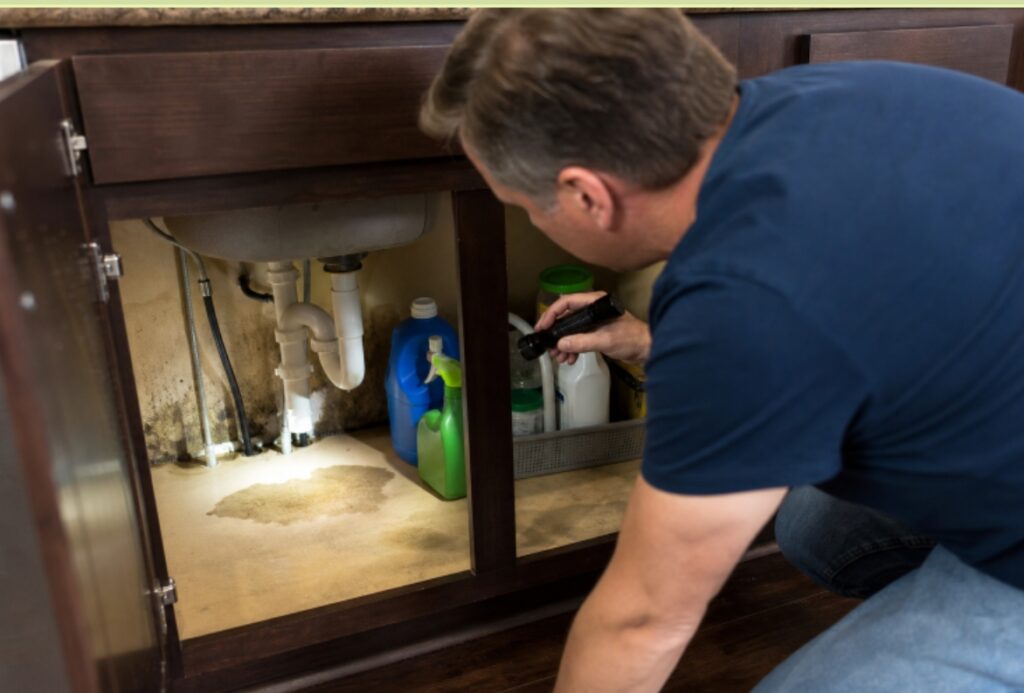
A musty smell often points to extra moisture in the home. Check under sinks, around washing machines, behind the fridge, near windows, and along baseboards. Look for damp spots, stains, peeling paint, condensation, or soft flooring. Moisture can feed mold, so fix the water source before you try to cover the smell. The EPA notes that controlling moisture is central to stopping mold and musty air indoors.
Smoke and Burnt Odors
Smoke can cling to walls, ceilings, furniture, clothing, and HVAC filters. Opening a window may freshen the air, but it will not remove the residue underneath. If you notice a burning smell with no clear cause, leave the area if you need to and call emergency services or a qualified electrician. Never assume an odd electrical or burning smell is harmless.
Pet and Biological Odors
Pet accidents can soak through carpet and padding down into the subfloor. A surface spray may freshen the top layer while the odor stays trapped below. Check pet bedding, litter boxes, upholstery, rugs, feeding areas, and waste bins. Clean the material fully, then let it dry all the way before you decide the smell is gone.
Kitchen and Food Odors
Kitchen smells often come from more than the trash can. Check the fridge door seals, drains, garbage disposal, cabinet interiors, range hood filter, and the space behind appliances. Grease can build up on nearby surfaces and fabric over time. Run the kitchen exhaust fan while you cook, clean spills right away, and wash filters on the schedule the manufacturer suggests.
Plumbing and Drain Odors
A sewer-like smell can come from a dry drain trap, buildup inside a pipe, a leak, or a venting problem. Run water in sinks, tubs, and floor drains you rarely use to refill the traps. If the smell keeps coming back or spreads through the home, call a licensed plumber. A sewage smell deserves quick attention, especially if it comes with slow drains or a visible leak.
A Simple Room-by-Room Odor Check
- Start where the smell is strongest, and walk slowly through the home to notice where it gets sharper.
- Check hidden spots, including behind furniture, under sinks, inside cabinets, and around appliances.
- Smell soft materials one at a time, such as rugs, cushions, curtains, bedding, pet items, and the laundry hamper.
- Look for moisture clues like dampness, stains, bubbling paint, or condensation.
- Notice airflow, and see if the smell gets stronger near vents, returns, fans, or closed rooms.
- Write down patterns, such as whether rain, cooking, the air conditioner, or humidity makes it worse.
Matching the Fix to the Odor
- Surface odor: Wash the material with a cleaner made for that surface, then dry it fully.
- Fabric odor: Launder removable items using the care label. Steam cleaning can help some upholstered pieces.
- Moisture odor: Stop the leak, dry the area, and replace anything that cannot be cleaned or dried properly.
- Smoke odor: Clean both hard surfaces and soft items, including walls, fabric, filters, and furniture.
- Drain odor: Check the trap and plumbing system instead of relying on fragrance products.
- Unknown odor: Skip random chemical treatments, and consider an inspection if the smell does not go away.
Safer Cleaning Practices
Read every product label before you use a cleaner on wood, stone, carpet, fabric, or painted surfaces. Keep kids and pets away from wet treatments, and use good airflow when a product creates fumes. Never mix bleach with ammonia, acids, or other household cleaners. The CDC warns that mixing bleach with other cleaners can release dangerous fumes.
When an Odor May Point to a Bigger Problem
Call for professional help if an odor grows stronger, comes back after repeated cleaning, spreads to several rooms, or shows up with water damage. A musty smell paired with damp materials can point to a hidden leak. Rotten-egg, gasoline, chemical, or burning smells can create real safety risks. In those cases, leave the area if needed and contact emergency services, a utility provider, a plumber, an electrician, or a restoration professional.
Why Airflow and Dryness Matter
Fresh outdoor air can lower stale smells when the weather and conditions allow it. Bathroom fans, kitchen exhaust systems, clean HVAC filters, and dry towels or rugs all help cut down on trapped odors. Still, airflow is a support step, not a full fix. An air cleaner can lower some airborne particles and smells, but it cannot fix hidden moisture, soaked carpet padding, or a plumbing failure.
A Weekly Odor Prevention Checklist
- Empty kitchen and bathroom trash bins.
- Wash pet bedding and clean feeding and litter areas.
- Wipe down fridge shelves, drawers, and door seals.
- Clean and dry washing machine parts as directed.
- Replace or clean HVAC filters on the recommended schedule.
- Check under sinks and around water-using appliances.
- Wash rugs, curtains, and cushion covers as needed.
- Air out closed rooms instead of relying only on scented products.
Questions Readers Often Ask
Why does my house smell musty after it rains?
Rain can raise indoor humidity and reveal leaks, wet building materials, poor drainage, or weak airflow. Check for damp spots near windows, doors, ceilings, and plumbing fixtures.
Can baking soda remove every odor?
Baking soda can help with mild, small smells, but it cannot fix hidden moisture, smoke residue, plumbing issues, or contamination under carpet padding.
Why does the smell return after a deep clean?
The source may still be hidden, the material may not have dried all the way, or odor particles may remain in a spot you missed.
Should I use air fresheners?
They can give you a short-term scent, but removing the source and improving airflow should come first.
When should I call a professional?
Reach out for help when the odor is persistent, spread through the home, tied to water damage or smoke, hard to locate, or connected to a possible health or safety concern.
Conclusion
A lingering home odor is usually more than a simple cleaning problem. Finding the source, using the right fix, drying the area, and improving airflow can solve most common smells. When an odor feels unusual, will not go away, or connects to moisture, smoke, plumbingplumbing, or electrical concerns, acting fast can help you avoid a bigger problem down the road.