Tingling toes, burning soles, and that “pins and needles” feeling that never quite fades can be more than poor circulation. Here’s what may be going on with your nerves, and what to do about it.
Most of us have felt a foot “fall asleep” after sitting cross-legged too long. You stand up, it tingles for a minute, and it’s gone.
But when that tingling shows up on its own, lingers for days, or starts creeping from your toes toward your ankles, your body may be telling you something different. These sensations are often the earliest signs of peripheral neuropathy, a condition that affects millions of adults and frequently goes unnoticed until it starts interfering with balance, sleep, and everyday comfort.
The good news: the earlier you recognize the signs, the more options you usually have.
What Is Peripheral Neuropathy?
Your peripheral nerves are the long network that carries signals between your brain, spinal cord, and the rest of your body. They tell you when the floor is cold, when a shoe is rubbing, and where your feet are without looking down.
When those nerves are damaged or irritated, the signals get scrambled. Some messages come through too loud (burning or electric pain), some too quiet (numbness), and some arrive when nothing is happening at all (tingling at rest).
Because the longest nerves run to the feet, symptoms often start there first, then may appear in the hands later. Clinicians call this a “stocking and glove” pattern.
What Causes It?
Neuropathy isn’t one disease. It’s the result of something else affecting the nerves, and the cause shapes how it’s managed. Common contributors include:
- Diabetes and prediabetes. Elevated blood sugar over time is the most common cause of peripheral neuropathy.
- Vitamin deficiencies. Low B12 in particular, which can be linked to diet, age, or certain long-term medications.
- Alcohol use. Heavy drinking over years can damage nerves directly and deplete key nutrients.
- Compression and spinal issues. A pinched nerve in the lower back can send numbness or tingling down the leg and into the foot.
- Chemotherapy and other medications. Some treatments list nerve symptoms as a known side effect.
- Injury, infection, or autoimmune conditions. Less common, but important to rule out.
Sometimes no single cause is found. That’s frustrating, but it doesn’t mean nothing can be done.
Early Warning Signs People Brush Off
Neuropathy tends to arrive quietly. These are the signs patients most often say they ignored at first:
- Tingling or “pins and needles” that comes on without a reason, especially at night or while resting.
- Numbness in the toes or balls of the feet, like wearing a thin sock that isn’t there.
- Burning, stabbing, or electric-shock sensations, often worse in bed.
- Feet that feel cold to you but warm to the touch.
- Trouble feeling the floor, or catching your toe on rugs and curbs more often.
- Feeling unsteady, especially in the dark or on uneven ground.
- Cuts or blisters you didn’t notice until you saw them.
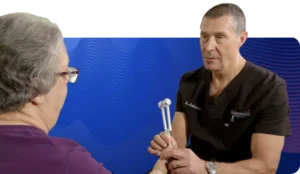
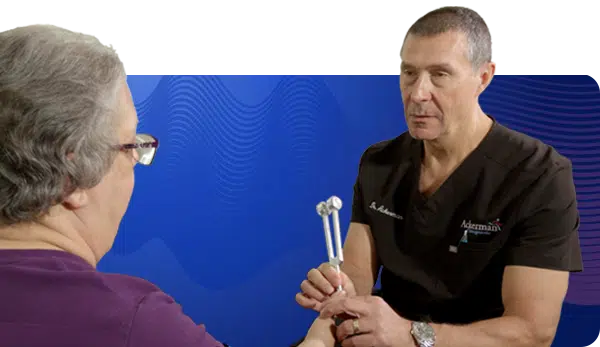
“The patients I worry about most are the ones who say, ‘I figured it was just getting older,'” says Dr. Dwayne Ackerman, a chiropractor at Ackerman Chiropractic & Fitness Center in Wadesville, Indiana. “Numbness that keeps coming back is worth a conversation, not a shrug.”
Everyday Habits That Help Protect Your Nerves
Whatever the cause, a few daily habits support nerve health and lower the risk of complications:
- Check your feet every day. Look at the soles and between the toes for cuts, redness, or blisters. A hand mirror helps.
- Keep moving. Walking, stationary cycling, and swimming boost blood flow to the legs and feet. Even short daily sessions count.
- Work on balance. Standing on one foot near a counter, or heel-to-toe walking down a hallway, helps your body compensate for reduced sensation.
- Wear supportive, well-fitting shoes. Skip going barefoot, even at home, if you’ve lost feeling in your feet.
- Know your numbers. If you haven’t had your blood sugar or B12 checked recently, ask your doctor.
- Limit alcohol and don’t smoke. Both reduce circulation and can make nerve symptoms worse.
- Test bath water with your elbow, not your foot, so you don’t scald skin you can’t fully feel.
When to Get It Checked, and What Care Can Look Like
Start with your primary care doctor if numbness or tingling lasts more than a few days, keeps returning, or is spreading. Seek urgent care right away if symptoms come on suddenly, affect one side of the body, or come with weakness, trouble speaking, or loss of bladder or bowel control.
A doctor can run blood work and other tests to look for underlying causes. Treating that cause, such as getting blood sugar under control or correcting a deficiency, is the foundation of care.
Many people also look for conservative, non-drug support alongside their medical care. Depending on the cause, that can include:
- Physical rehabilitation and guided exercise to rebuild strength, circulation, and balance.
- Spinal care for nerve compression, where a lower-back issue is contributing to leg and foot symptoms.
- Therapies such as low-level laser therapy and electrical stimulation, which some clinics use to help manage pain. Research is still developing, so ask any provider what results you can realistically expect.
“Neuropathy care works best as a team effort,” Dr. Ackerman says. “Your physician addresses the root cause. Our job is to help patients move better, feel more stable on their feet, and stay active while that happens.”
Whoever you see, look for a provider who explains the plan clearly, tracks your progress, and coordinates with your doctor.
The Bottom Line
Numb or tingling feet aren’t something you have to accept as part of aging. They’re a signal, and the earlier you listen, the more you can usually do to protect your mobility, your balance, and your independence.
Pay attention to patterns, take care of your feet daily, and bring your symptoms to a professional sooner rather than later.
About the author: Dr. Dwayne Ackerman is a chiropractor and the founder of Ackerman Chiropractic & Fitness Center in Wadesville, Indiana, serving Evansville and the surrounding Tri-State area. His practice focuses on neuropathy care, spinal decompression, and rehabilitation-based fitness to help patients move better and stay active Contact Us.