Table of Contents
- Defining Master-Planned Communities
- Key Features of Modern MPCs
- Benefits of Living in an MPC
- Challenges and Considerations
- Notable Examples of Modern MPCs
- Future Trends in MPC Development
- Conclusion
Master-planned communities (MPCs) have significantly transformed residential living by offering carefully designed neighborhoods that integrate homes, amenities, and essential services within a cohesive development. These communities cater to diverse lifestyles, providing residents with convenience, sustainability, and a strong sense of community. Whether seeking a peaceful suburban retreat or a vibrant, amenity-rich environment, the appeal of neighborhoods like new construction homes in Riverview FL reflects the growing demand for modern, integrated living experiences.
Unlike traditional neighborhoods that develop over time without a central vision, MPCs are shaped by a master plan from inception to ensure harmonious growth and a comprehensive mix of housing types, businesses, recreational centers, and green areas. This thoughtful planning results in communities that feel more connected and capable of meeting residents’ needs in ways that organic development rarely achieves.
As demand for self-contained neighborhoods rises, homebuyers are increasingly drawn to features such as walkable streets, easy access to daily conveniences, and ample green space. The master-planned approach is not just about convenience and modern amenities; it is about creating lasting value in terms of property stability, sustainability, and a communal spirit that can be hard to find in less organized environments.
With homebuilders recognizing these benefits, MPCs are emerging as the preferred choice for families, young professionals, and retirees alike. If you are considering moving into an MPC or are curious about the model, it is important to understand what makes these communities unique, along with the advantages and potential challenges you might face.
Defining Master-Planned Communities
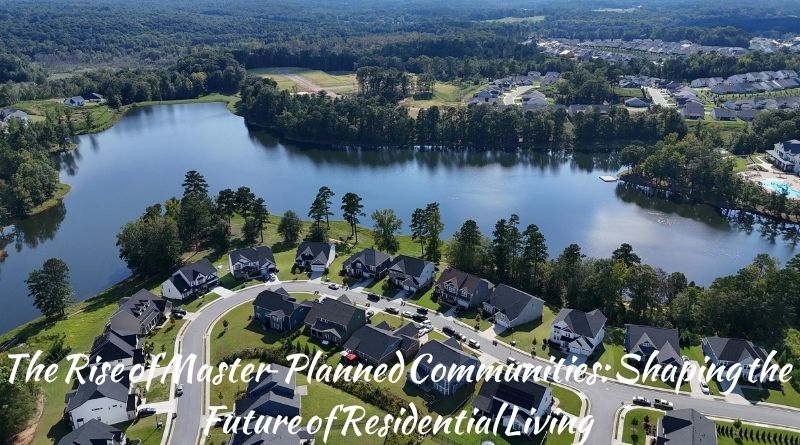
Master-planned communities are large-scale residential developments built on a unified vision and guided by a comprehensive plan. Each community includes a balanced mix of housing, commercial areas, recreational facilities, and essential services, all located within a defined geographic area. Planners intentionally lay out streets, parks, shops, and schools to create a self-sustaining micro-city. This contrasts with standard subdivisions or neighborhoods, which might evolve sporadically, often without a consistent design or integration of amenities.
Key Features of Modern MPCs
- Diverse Housing Options: MPCs provide homes that vary in style and price to serve everyone from young couples to large families and retirees. This diversity draws a multi-generational population, adding vibrancy and depth to the community.
- Amenities and Services: Many MPCs feature amenities like parks, pools, fitness centers, playgrounds, schools, shopping centers, and healthcare clinics, all within walking or biking distance. This thoughtful integration helps reduce residents’ reliance on cars and fosters a more connected lifestyle.
- Sustainable Design: Eco-friendly construction, energy-efficient homes, rainwater management, and extensive green spaces have become hallmarks of modern MPCs. Communities are increasingly designed to minimize environmental impact and support healthy, active lifestyles.
- Technological Integration: Advancements such as smart home technology, fiber-optic internet, security cameras, and community-wide Wi-Fi are becoming standard, adding convenience and enhancing the quality of daily life for residents.
Benefits of Living in an MPC
- Convenience: Living within close proximity to shops, schools, and recreational facilities greatly reduces the time and stress associated with daily commutes.
- Community Engagement: MPCs are designed with gathering places and recreational areas that encourage neighbors to interact and participate in planned events, creating deeper connections among residents.
- Property Value Stability: Uniform standards for home maintenance and community appearance help maintain and often increase property values over time. Planners intentionally seek to balance growth with quality of life, ensuring long-term desirability.
Challenges and Considerations
- Homeowners Association (HOA) Fees: Residents typically pay regular fees to cover maintenance, security, and amenities. While these contribute to higher quality living, they can also add to the monthly budget.
- Regulations: Strict guidelines set by the developer or homeowners’ association dictate landscaping, paint colors, and other aspects of home ownership. Although this maintains community standards, it sometimes limits personal expression.
- Homogeneity: Carefully curated designs may mean less architectural variety, which some may find lacking in character compared to older, organically grown neighborhoods.
Notable Examples of Modern MPCs
- Sunbridge in Orlando, Florida: Spanning 27,000 acres, Sunbridge is set to welcome thousands of new homes and features a heavy focus on green space and sustainability. Its scale and vision place it among the country’s largest and most anticipated MPCs.
- Midline in Webster, Texas: Conveniently located near NASA’s Johnson Space Center, this community is rolling out nearly 300 single-family homes in its initial phase, appealing to newcomers with its blend of suburban peace and urban access.
- Teravalis in Buckeye, Arizona: Projected to feature up to 100,000 homes, Teravalis showcases a bold vision for the future, offering many multigenerational home options that adapt to evolving family needs.
Future Trends in MPC Development
- Agrihoods: These are communities built around active farms, allowing residents to enjoy fresh, locally grown food and connect with agricultural traditions. The trend is gaining popularity among those seeking a sustainable, farm-to-table lifestyle.
- Mixed-Use Developments: MPCs increasingly blend residential, commercial, and entertainment spaces, creating walkable neighborhoods that offer both convenience and vibrancy. This approach not only enhances the urban feel but also fosters community resilience.
- Technological Integration: Planners are experimenting with smart city features such as automated traffic controls, integrated community management apps, and advanced data tracking to streamline daily living and improve safety.
Conclusion
Modern master-planned communities are at the forefront of redefining residential life by offering integrated, sustainable, and community-focused settings. As more individuals and families seek out these developments for their convenience, stability, and quality of life, MPCs stand out as innovative solutions addressing the challenges and preferences of today’s homebuyers. With ongoing evolution in technology, environmental consciousness, and community planning, future MPCs are set to become even more dynamic and responsive to residents’ needs.