Table of Contents
- Understanding River Flooding
- Assessing Your Property’s Risk
- Implementing Structural Measures
- Landscaping and Natural Barriers
- Community Involvement and Resources
- Emergency Preparedness
- Insurance Coverage
- Conclusion
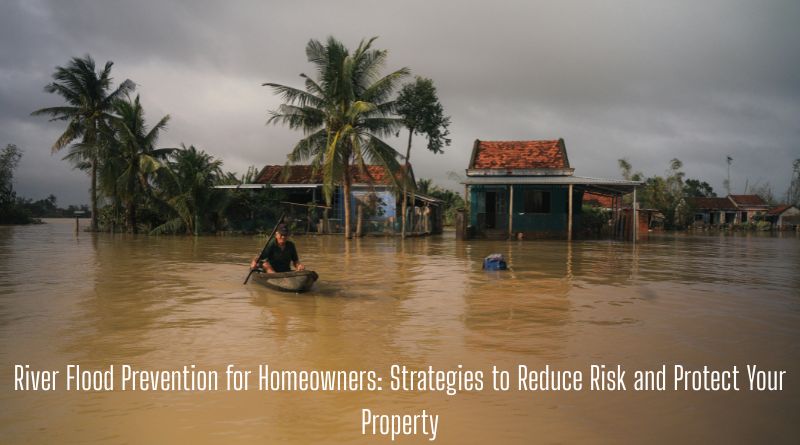
River flooding is among the most destructive natural disasters homeowners can face, causing widespread property damage, costly repairs, and emotional distress. Understanding your risks and taking proactive steps can significantly lower the likelihood of devastating loss. For residents concerned about flood risk in South Jordan Utah, awareness and preparation are critical. With riverbanks bursting from heavy rainfall, rapid snowmelt, or sudden ice jams, being informed and ready can make all the difference in protecting your home and family.
Flooding is not just a concern for those living right on the river. Urban development, changes in soil saturation, and unpredictable weather patterns put a wide range of properties at risk. By identifying vulnerabilities and taking appropriate action, you not only secure your investment but also strengthen your community’s resilience. Homeowners up and down flood-prone corridors need a comprehensive roadmap to reduce risk and recover quickly should disaster strike.
Understanding River Flooding
River flooding occurs when water levels exceed the river banks, often due to heavy rainfall, rapid snowmelt, or ice or debris blocking the river. Various factors contribute to flooding risk, including topography, soil saturation levels, and urban infrastructure that may impede natural drainage. The unpredictability of weather patterns, influenced by climate change, has also increased the frequency and intensity of flood events across the United States. Understanding the basic causes and risk factors empowers homeowners to anticipate flooding more effectively.
Assessing Your Property’s Risk
Start by understanding your location’s flood risk with reliable tools such as the FEMA Flood Map Service Center. This service provides detailed maps that categorize the risk level of specific areas, helping you determine whether you need to take further action. Distinguish whether your property sits within or close to a designated floodplain, which is typically at greater risk. Review historical flood data and check with local government sources for insights into past incidents and the likelihood of future flooding in your area.
Consulting with floodplain management officials or emergency services authorities can reveal critical facts about your home’s specific vulnerabilities. Mapping tools and community records often highlight potential hidden dangers, such as outdated sewer systems or drainage blockages that could compound flooding potential. Gathering as much information as possible will help you make informed mitigation choices.
Implementing Structural Measures
To protect your property effectively, several foundational upgrades and modifications should be considered:
- Elevate Your Home: Raising your home’s foundation above the local base flood elevation substantially reduces the risk of inundation. Many communities offer incentives or grant eligibility to make this improvement possible.
- Install Flood Vents: Flood vents installed in crawl spaces or garages help channel water flow and relieve structural pressure during flood events, preventing major damage to walls and foundations.
- Utilize Water-Resistant Materials: When renovating basements or low-lying areas, incorporate materials such as ceramic tile, marine-grade plywood, and mold-resistant drywall. These lower the possibility of long-term water damage and make cleanup easier.
Landscaping and Natural Barriers
Landscaping is not only about aesthetics; it is a vital component in flood prevention:
- Rain Gardens: Installing rain gardens filled with native plants helps absorb excess rainwater, slowing its flow on your property and reducing runoff into storm drains or vulnerable areas.
- Permeable Surfaces: Substitute traditional concrete or asphalt driveways and walkways with permeable pavers or gravel to promote better water absorption into the soil.
- Natural Barriers: Keep or restore wetlands where possible and plant native trees, especially along riverbanks. These steps help stabilize soil, reduce erosion, and intercept floodwater before it reaches your home.
Community Involvement and Resources
Flood mitigation is a shared responsibility, and homeowners benefit from engaging with their community’s preventive measures:
- Participate in Local Initiatives: Many municipalities have floodplain management committees or proactive programs to strengthen community resources. Get involved through volunteering, attending meetings, or supporting local infrastructure updates.
- Stay Informed: Subscribe to public emergency alerts and attend community discussions about upcoming projects and risks.
- Leverage National Resources: Turn to leading organizations such as the American Red Cross for best practices, checklists, and recovery tips suited to your area’s unique risks.
Emergency Preparedness
Having a robust emergency plan is essential to ensure safety should the unthinkable happen:
- Evacuation Routes: Identify at least 2 routes out of your neighborhood and rehearse them with your household. Changes due to road closures or high water must be anticipated and practiced.
- Emergency Kit: Prepare a kit containing at least 3 days’ worth of water and nonperishable food for everyone in your home, along with flashlights, necessary medications, cash, and copies of vital documents.
- Communication Plan: Make sure all family members know who to contact and where to meet if separated. Designate an out-of-town contact who can coordinate communication if local lines go down.
Insurance Coverage
Most standard homeowners’ insurance policies exclude flood damage. To truly protect your assets, it is crucial to obtain flood insurance. The National Flood Insurance Program (NFIP) offers coverage for both the structural elements of your home and your possessions. Private insurers may also provide supplementary options with varying deductibles and coverage limits. Review your policy details each year and adjust them as your home or region evolves.
Conclusion
Vigilance and preparation remain the cornerstones of effective flood prevention for homeowners. By assessing your risk, investing in infrastructure upgrades, leveraging natural defenses, working with your community, preparing for emergencies, and securing the right insurance, you can significantly reduce your loss exposure. These measures not only keep your property secure but also help foster a safer, more resilient neighborhood in the face of increasing flood events.
For further information on regional and national weather warnings, resources such as NOAA’s National Weather Service can deliver crucial real-time updates regarding flood risks and emergency actions.