A garage door rarely fails from one dramatic event. More often, it’s worn down slowly, and rust is one of the most common culprits. It starts as a few orange spots along the bottom panel or a little discoloration on a spring. Left alone, it weakens the parts that hold the door together and keep it moving safely.
Coastal homes see it fastest, thanks to salt in the air. But inland homeowners aren’t off the hook. Road salt tracked in on cars, high humidity, and water pooling at the threshold all do the same damage, just a little more slowly.
The good news is that rust is largely preventable. Here’s what causes it, where to look, and how to keep it from shortening your door’s life.
What Causes Garage Door Rust
Rust forms when bare steel meets moisture and oxygen. Garage doors face a lot of both:
- Salt air. Near the coast, airborne salt settles on every exposed surface and draws in moisture, speeding up corrosion dramatically.
- Road salt. In snowy climates, cars carry salty slush into the garage. As it melts, it pools along the bottom of the door and splashes onto the tracks.
- Warm, humid air condenses on cool metal, especially in a closed garage overnight.
- Standing water. A floor that slopes toward the door, a clogged drain or a worn bottom seal can leave water sitting against the bottom panel.
- Scratches and dings. A bump from a bike, a lawnmower or a car door can chip the door’s protective coating and expose bare steel.
- Factory paint and galvanized coatings wear thin over the years, leaving older doors more vulnerable.
Where Rust Hides, and Why It Matters
The outside of the door is the most visible, but rust often does its worst damage where you don’t look:
| Where to look | What rust can lead to |
| Bottom panel and bottom seal retainer | Rot-through holes, a seal that won’t hold, water and pests getting in |
| Bottom brackets and cable attachment points | Weakened brackets under heavy cable tension, a serious safety risk |
| Lift cables | Fraying and sudden snapping, which can drop or tilt the door |
| Springs | Added friction and brittleness that shorten spring life and can lead to early breakage |
| Tracks and track brackets | Rough, noisy movement and loosening mounts |
| Hinges, rollers and bearings | Squealing, binding and parts that wear out faster |
| Opener rail and drive | Strain on the motor and uneven travel |
Rust on springs, cables and bottom brackets is more than cosmetic. Those parts hold the door’s weight under heavy tension, and corrosion can weaken them long before they look badly damaged.
A Simple Prevention Routine
A few habits go a long way toward keeping rust away:
- Rinse the door regularly. In coastal areas, gently rinse the outside of the door with fresh water every month or two to remove salt buildup. In snowy areas, rinse after salty stretches of winter. Use mild soap and a soft brush or sponge, not a high-pressure washer, which can strip paint and force water behind seals.
- Dry the bottom of the door. Wipe away salty slush and standing water along the threshold, especially in winter.
- Lubricate the moving parts. A light coat of garage-door lubricant on springs, hinges, roller bearings and the opener’s drive helps repel moisture as well as reduce friction. Twice a year is a good baseline, and more often near the coast.
- Keep the tracks clean and dry. Wipe them out, but don’t grease them.
- Maintain the bottom seal. A cracked or flattened seal lets water collect against the bottom panel. Replace it when it’s worn.
- Manage water around the door. Keep drains clear, fix grading that sends water toward the garage, and consider a threshold seal if your floor dips at the door.
- Touch up chips quickly. Clean and sand small scratches, then touch up with a rust-inhibiting primer and exterior paint suited to your door’s finish.
Surface Rust or Something More?
Surface rust shows up as light orange discoloration on a panel or hinge, without flaking or holes. It’s usually treatable. Lightly sand or wire-brush the spot to bare metal, wipe it clean, apply a rust-inhibiting primer and finish with exterior paint. Keep an eye on it afterward.
Deeper corrosion calls for a closer look. Watch for:
- Flaking, bubbling or peeling paint with rust underneath
- Holes or soft spots, especially along the bottom panel
- Rust on springs, cables or bottom brackets
- Brackets or hinges that look pitted or eaten away
Rusted hardware can often be replaced on its own. Hinges, rollers, track brackets and the bottom seal retainer are routine swaps for a technician. Rusty springs and cables should be replaced, not cleaned, because corrosion weakens them from the inside out.
When rust has eaten through several panels, a replacement door often makes more sense than a string of repairs, especially if matching panels are no longer available.
Choosing Rust-Resistant Doors and Hardware
If you’re replacing a door or hardware, especially near the coast, a few choices make a real difference:
- Galvanized steel with a quality baked-on finish, which protects the steel from the inside and the outside
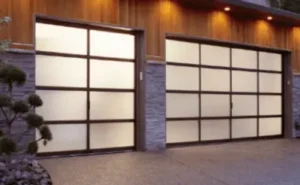
- Aluminum or fiberglass doors, which don’t rust the way bare steel does and hold up well to salt air
- Composite or vinyl bottom retainers in place of steel ones that sit in water
- Corrosion-resistant hardware, such as galvanized or stainless fasteners, nylon rollers with sealed bearings, and coated springs where available
- A strong warranty on finish and rust-through, and a clear understanding of what voids it
In flood-prone areas, ask about flood vents as well. Many local building codes require them in attached garages in flood zones, and they let water pass through rather than pushing against the door.
When to call a pro: Have a technician look at your door if you see rust on springs, cables or bottom brackets, if the door has started to move unevenly, or if you’re unsure whether it can be saved. Those parts are under serious tension, and replacing them safely takes the right tools and training. An annual tune-up is a good way to catch corrosion before it becomes a costly repair.
About the Author
This article was written by the team at Overhead Door Company of Brunswick, which installs, repairs and maintains residential and commercial garage doors, openers and gates across coastal Georgia. The company is part of the Overhead Door distributor network, whose parent brand has been a pioneer in the garage door industry since 1921 Contact Us.