On a gray, drizzly day, it can often feel as though you have been robbed of your chance to enjoy your backyard. However, there is a beautiful solution that allows you to remain immersed in your greenery while staying protected from the elements: the garden room. Similar to a sunroom or a classic conservatory, these structures typically take the form of a standalone building nestled in your yard, though they can exist anywhere that bridges the gap between the house and the lawn. They serve a plethora of functions, acting as home offices, art studios, or quiet lounges, but for the most part, they are spaces where we go to unwind and find peace. When designed correctly, these structures help to create more livable, modern spaces that offer a sanctuary from the frantic pace of daily life. By taking heed of expert design principles, you can transform a simple outbuilding into a sybaritic retreat.
Designing and decorating a garden room is an exercise in intentionality. Whether you envision a space to display a growing collection of tropical houseplants, a creative hub for your hobbies, or a sophisticated bar for hosting friends, the structure should reflect your personal needs. The best designs are those that feel like a natural extension of the primary residence rather than a disconnected afterthought. This involves careful consideration of architectural details, light, and the way the room interacts with the surrounding landscape.
When you begin the planning process, you must consider the versatility of the layout to ensure it serves you through different phases of the day and year. Think about the views from the windows, the way the sunlight travels across the property, and how the entrance relates to the rest of the yard. Many homeowners find that consulting with professionals like those found at remodelworks.com/ can provide the necessary guidance to ensure the structural integrity and aesthetic flow of the project are handled with care. With the right foundation, your garden room becomes more than just a building; it becomes a destination.
Designing for Purpose and Flow
The most successful garden rooms are those where the form strictly follows the intended function of the space. To ensure a cohesive look, the building should share a sense of style with the main house by echoing specific architectural features. If your home features prominent columns, exposed timber beams, or elegant arches, incorporating these same elements into the garden room design will establish a visual narrative that ties the two structures together. This subtle repetition creates a sense of permanence and belonging.
Beyond the aesthetics, functionality must be versatile. Experienced designers suggest choosing furniture that can adapt to various use cases, such as a modular daybed that serves as both seating and a guest bed, or a sturdy table that functions equally well as a desk or a dining surface. It is also beneficial to consider the transition between the interior and exterior. Adding a small deck or a stone patio immediately outside the doors can expand the usable footprint and emphasize a seamless indoor-outdoor flow. Large bifold or French doors that can be thrown wide open during the warmer months will further increase the feeling of being surrounded by nature.
Harmonizing with the Natural Landscape
Choosing the right color scheme is essential for ensuring that your garden room feels like an integrated part of your property rather than an eyesore. Instead of opting for stark, synthetic colors, look to the immediate environment for inspiration. Take a color deck or paint samples out into the yard and hold them against the bark of your trees, the moss on your stones, or the various lichens found on your fencing. By selecting tones that mimic the natural world, the structure will visually recede into the landscape, allowing the greenery to remain the star of the show.
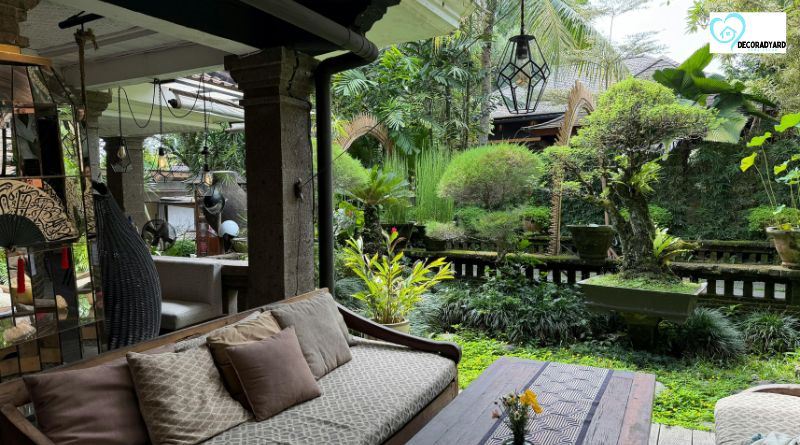
Restraint is perhaps the most important design principle to exercise when decorating these spaces. Because the primary focus is often the vista just through the glass, the interior furnishings should not compete with the view. Using natural materials like stone, wood, and wicker will foster a peaceful environment and maintain a tactile connection to the outdoors. When the interior palette complements the seasonal changes of the garden, the room feels like a quiet observer of the natural world, providing a tranquil backdrop for relaxation.
The Art of Outdoor Entertaining
For those who love to host, a garden room can be transformed into the ultimate spot for celebrations and evening nightcaps. Incorporating a home bar adds a touch of luxury and makes the space a focal point for social gatherings. However, building a bar in a semi-outdoor environment requires specific material choices to ensure longevity and ease of maintenance. Experts recommend using leathered or sandblasted finishes on stone countertops, as these rougher textures are better at hiding the inevitable accumulation of dust and pollen while providing a slip-resistant surface in humid conditions.
Practicality is also key when it comes to utilities in an entertaining space. If you are installing a sink or appliances, ensure that the water lines are designed to be easily drained and shut off during the winter months to prevent pipes from freezing. Additionally, it is wise to keep reflective surfaces and high-gloss finishes to a minimum. Because the sun’s position changes throughout the day, a room with too many mirrors or polished metals can suffer from harsh glares and reflections that disrupt the comfortable atmosphere you are trying to create.
Year-Round Comfort and Coziness
If you are designing a garden room from scratch, it is vital to include features that ensure the space is usable for more than just a few months of the year. While it is easy to get caught up in the romance of summer dining and sunny afternoons, a room that is too cold in the winter will quickly become redundant. To guarantee perennial appeal, consider investing in high-quality insulation and heating solutions. Underfloor heating or a charming wood-burning stove can transform the room into a cozy retreat during the autumn and winter seasons.
Large windows are excellent for creating a greenhouse effect that traps warmth during the shoulder seasons, but you should also think about the “visual” warmth of the space. When the temperature drops, swapping out light summer linens for heavy drapes, plush rugs, and soft blankets can make a significant difference in how the room feels. String lighting and lanterns can also provide a soft, golden glow that counters the gloom of a winter afternoon, making the garden room an inviting place to watch the snow fall or the rain lash against the glass.
Cultivating a Sensory Experience
A truly magical garden room should appeal to more than just the eyes; it should be a sensory experience that connects you with the local wildlife. Strategically placing bird feeders near the windows and planting pollinator-friendly flowers like lavender or butterfly bush just outside will ensure that your view is always filled with movement. Watching hummingbirds, bees, and butterflies from the comfort of your lounge chair adds a layer of life to the room that no interior decoration could ever replicate.
The journey to the garden room should also be considered a part of the experience. Creating a well-lit pathway with solar lanterns ensures that the transition from the house to the retreat is safe and enchanting after dark. You might even consider a small water feature near the entrance, such as a stone fountain or a bubbling birdbath. The sound of trickling water provides a soothing acoustic backdrop that masks neighborhood noise and reinforces the feeling that you have stepped away from the world and into a private fairytale.
Navigating the Practical Path
Before you get your heart set on a specific design, it is essential to navigate the practical and legal considerations of building on your property. Every area has its own set of zoning laws and building codes that dictate how large a structure can be and how far it must be set back from property lines. In some cases, you may need specific permits if the room is intended to function as a guest suite or a full-time office with plumbing and electricity.
Being a considerate neighbor is also a vital part of the process. A tall structure might inadvertently block a neighbor’s light or overlook their private spaces, so it is often necessary to be flexible with your design. Architecturally, you might need to adjust the roofline or the placement of gables to minimize the visual impact on surrounding homes. By addressing these practical details early on, you can ensure that your project proceeds smoothly and that your new garden room remains a source of joy for years to come. Ultimately, the goal is to create a peaceful, calming sanctuary that feels like a natural extension of both your home and your garden.