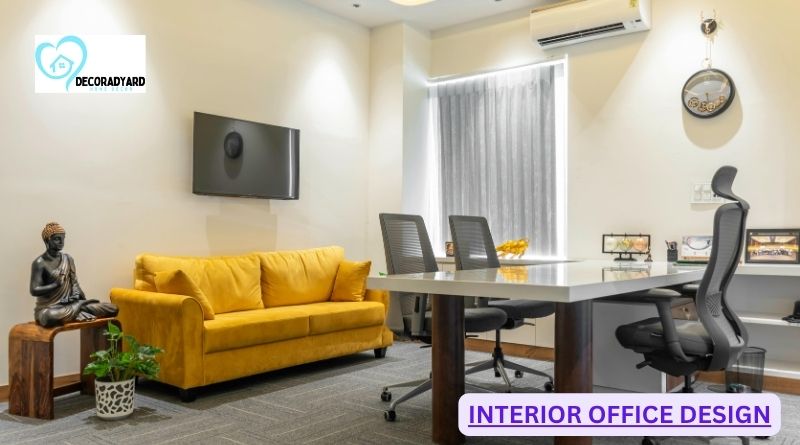
In today’s fast-paced business world, the importance of interior office design goes far beyond aesthetics. It plays a crucial role in shaping the culture, productivity, and overall success of a company. A well-designed office environment not only enhances employee satisfaction but also communicates a brand’s identity and values to clients and visitors. From the layout to the color palette, every element of interior office design contributes to creating an efficient and inspiring workplace.
Understanding the Essence of Interior Office Design
At its core, interior office design is about blending functionality with creativity. It involves carefully planning and organizing space to ensure it meets the practical needs of employees while promoting a sense of comfort and motivation. Designers consider factors such as lighting, acoustics, furniture, and technology integration to craft a cohesive workspace that supports collaboration and focus.
Modern office designs have evolved from traditional cubicles to open layouts that encourage communication and teamwork. However, flexibility remains key — many companies now adopt hybrid layouts that balance open areas with private zones, giving employees options to work in settings that best suit their tasks and moods.
Key Elements of a Successful Office Interior
Space Planning and Layout
Efficient space planning is the foundation of successful interior office design. It determines how well the office supports daily operations and movement. Designers assess workflows, team interactions, and company hierarchies to create a layout that maximizes both productivity and comfort. For instance, placing collaborative zones near departments that often work together can enhance communication, while quiet corners can serve as focus areas.
Lighting and Color Scheme
Lighting significantly impacts mood and efficiency. Natural light is highly valued in modern offices as it boosts energy levels and reduces eye strain. When natural light is limited, designers use LED fixtures that mimic daylight to maintain a vibrant atmosphere. Complementing the lighting, the color scheme sets the tone of the workspace — calm hues like blues and greens promote concentration, while brighter shades like yellow or orange spark creativity and enthusiasm.
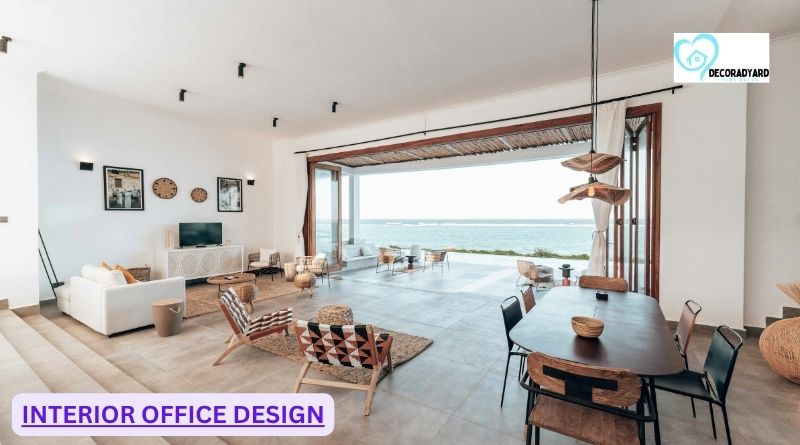
Ergonomic Furniture and Materials
Comfortable, ergonomic furniture is another essential aspect of interior office design. Adjustable chairs, standing desks, and well-designed workstations help prevent health issues and increase employee well-being. Additionally, sustainable materials are gaining popularity, reflecting the growing emphasis on eco-friendly business practices. Using recycled wood, non-toxic paints, and energy-efficient systems not only benefits the environment but also demonstrates corporate responsibility.
The Role of Technology in Modern Office Design
Technology has transformed the way offices function, and modern interior office design seamlessly integrates digital tools to enhance efficiency. Smart office systems that control lighting, temperature, and security create a convenient and energy-efficient environment. Wireless charging stations, digital whiteboards, and video conferencing setups are now standard in tech-savvy workspaces, enabling remote collaboration and connectivity.
Moreover, designers are incorporating “tech zones” — dedicated spaces equipped with devices and interactive boards to support innovation and brainstorming sessions. These smart features bridge the gap between functionality and futuristic aesthetics, setting a new benchmark for workplace design.
Benefits of Effective Interior Office Design
An investment in thoughtful interior office design yields long-term benefits for both employees and employers. A visually appealing and well-structured workspace enhances morale, reduces stress, and encourages creativity. It also helps attract and retain top talent, as professionals today seek workplaces that align with their comfort and productivity needs.
Additionally, a well-designed office improves client perception. The moment a visitor steps into an organized, modern space, they form a positive impression of the company’s professionalism and attention to detail. In this sense, interior design becomes an extension of brand identity and corporate culture.
Conclusion: Designing the Future of Workspaces
The future of interior office design focuses on adaptability, sustainability, and employee well-being. As companies continue to embrace hybrid and flexible work models, designers are redefining spaces to balance comfort with efficiency. By merging aesthetics, technology, and functionality, interior office design not only transforms physical environments but also reimagines how people connect, collaborate, and succeed in their workplaces.
In essence, great design is not just about creating beautiful spaces — it’s about crafting environments that empower people to perform at their best.