Key Takeaways
- Assess your local climate to determine suitable roofing materials.
- Consider the longevity and maintenance requirements of each option.
- Balance initial costs with long-term benefits and energy efficiency.
Table of Contents
- Climate Considerations
- Popular Roofing Materials
- Cost and Longevity
- Energy Efficiency
- Aesthetic Appeal
- Maintenance Requirements
- Environmental Impact
- Conclusion
Selecting the appropriate material for your roof is a significant decision that affects your property’s safety, efficiency, and overall look. Whether you’re in the process of building a new home or replacing an aging roof, understanding your options is crucial. As you weigh your choices, consult a professional Roofing Contractor to ensure expert guidance and skilled installation for long-term value.
The right roofing choice protects your home from the elements and can even help you save money on utility bills while enhancing its curb appeal. Since regional weather and environmental trends play an important role, it’s beneficial to have a trusted contractor who understands the local area and can recommend suitable products.
Besides material choice, you also want to ensure your installation and repairs are handled with care. Explore the full range of roofing services available to support you at every step, from initial inspection to routine upkeep and emergency repairs.
Climate Considerations
Your geographic location is a key factor when selecting roofing materials. For example, those who live in snowy or icy regions should look for roofs that allow snow and ice to slide off easily, like metal roofing. In humid climates where mold or algae could become an issue, metal and composite shingles are effective options as they resist moisture and biological growth. For areas that deal with frequent storms or high winds, shingles with higher wind and impact ratings offer better protection for your property. Understanding these regional nuances helps extend the life of your roof, protects your investment, and minimizes maintenance issues over time. For more information on climate impacts and building materials, see this guide from Forbes.
Popular Roofing Materials
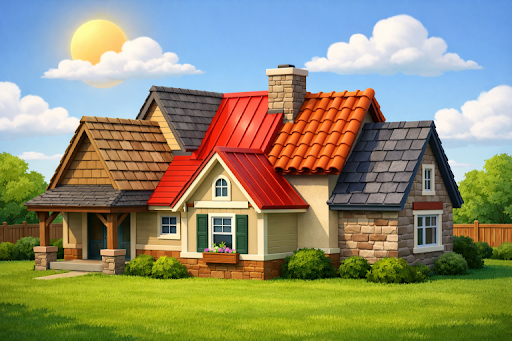
There are several common roofing materials found on residential homes, each with its own advantages and trade-offs:
- Asphalt Shingles: These are affordable, easy to install, and available in a broad spectrum of colors and shapes. While their lifespan typically ranges from 15 to 30 years, they offer flexibility for most architectural styles and budgets.
- Metal Roofing: With a potential lifespan of up to 80 years, metal roofs are highly durable and resist weather extremes. They are also lightweight in comparison to slate or tile, reducing structural demands on your home.
- Clay and Concrete Tiles: These are highly durable and prized for their unique appearance. Due to their weight, however, they require a solid structural foundation but offer fantastic longevity and resistance to fire.
- Wood Shingles and Shakes: These provide a warm, rustic look, though they require regular treatments for fire resistance and ongoing maintenance to minimize rot and pest damage.
- Slate: Renowned for its impressive lifespan, slate can last well over a hundred years. It is also highly resistant to fire, but it comes at a higher initial cost and requires additional roof framing due to its weight.
Cost and Longevity
Every homeowner wants their roof to last as long as possible while managing upfront expenses. Asphalt shingles offer an economical choice and are the most common across the United States. However, materials like slate or high-quality metal, while costlier in the beginning, deliver greater durability and can be a smarter investment when considering the total cost of ownership. According to Forbes, homeowners should also think about warranties and life expectancy to determine what fits both short-term and long-term needs.
Energy Efficiency
Roofing can have a measurable impact on energy bills by regulating heat absorption and insulation. Metal and reflective roofing products are particularly beneficial in sunny, hot climates since they reflect sunlight and reduce heat transfer into your home. Clay tiles are naturally insulating, making them effective for homes in consistently warm regions. Investing in high-quality insulation and light-colored roofing is recommended to reduce cooling costs and environmental footprint.
Aesthetic Appeal
The look of your roof should harmonize with your home’s existing design features. Mediterranean or Spanish-style homes are often complemented by clay or concrete tiles. Craftsman and cottage-style architecture pair well with wood shakes, while asphalt shingles are highly versatile for a broad range of styles. Thoughtfully chosen materials can increase your home’s curb appeal and potentially its market value.
Maintenance Requirements
Roofs need varying levels of upkeep, depending on the material. Asphalt shingles require occasional checkups and replacement of damaged sections, while metal roofing typically involves less maintenance but should be inspected for corrosion or potential leaks around fastenings. Wood shakes need regular sealing and treatments against rot, mold, and insects. Knowing the necessary upkeep in advance helps you plan and budget for the roof’s entire life cycle.
Environmental Impact
Many homeowners are seeking sustainable materials for their homes. Metal roofs are often comprised of recycled materials and are fully recyclable at the end of their useful lives. Some newer asphalt shingles incorporate recycled elements as well, which reduces landfill waste. Slate and clay, while natural and long-lasting, require significant energy for quarrying and transportation. Always inquire about recycling programs and eco-certified materials before making a final decision.
Conclusion
When choosing a roofing material, consider all relevant factors, including climate suitability, installation and upkeep costs, longevity, energy savings, appearance, and environmental effects. By evaluating your options with these priorities in mind, you will find a solution that safeguards your home and complements its design. Engage knowledgeable professionals and take your time to review all available products so that you can make an informed, confident decision for your property’s future.