Choosing a neighborhood is about far more than finding an attractive house. The right location should make everyday routines easier, provide room for changing needs, and make you feel comfortable long after move-in day. For buyers comparing communities in the Wichita area, Your Home Wichita offers an overview of residential communities and commercial projects from Schellenberg Development Company, a family-owned real estate development firm with decades of experience serving Wichita and its growing surrounding areas. Its focus on sustainable, lasting projects makes it a useful local reference for seeing how neighborhood planning, amenities, and long-term community design can work together.
A smart decision starts with a realistic picture of daily life. Consider how the area functions on a busy Monday morning, during school pickup, after work, and on a quiet weekend, not simply how it looks during a short showing.
1. Start With Daily Life, Not Curb Appeal
Picture a normal weekday from start to finish. How long will it take to reach work, school, groceries, medical appointments, activities, and the people you see often? A quiet street can lose its appeal if every errand requires a long, stressful drive. Visit on weekday morning, afternoon pickup, evening commute, weekend midday, and after-dark hours to see the neighborhood in real conditions.
2. Review Streets, Sidewalks, And Traffic
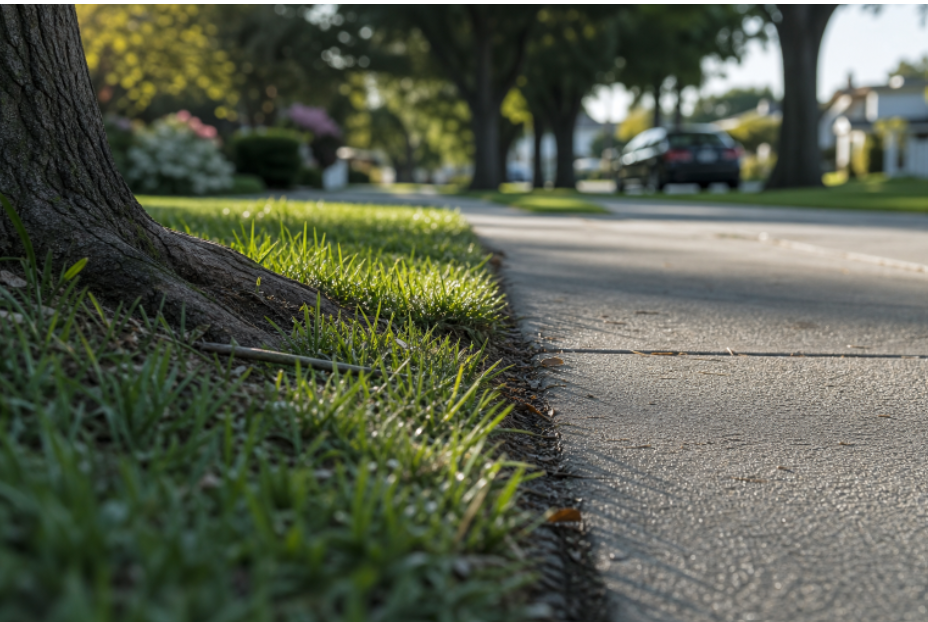
Street design shapes safety, noise, and the ease of getting around. Look beyond whether sidewalks are present. Check whether they are continuous, well-maintained, shaded, and connected to useful destinations. Notice crossing distances, lighting, driveway placement, traffic speed, and whether road noise changes during rush hour.
Walkability can also be part of a neighborhood’s broader appeal. This research on walkability and home values suggests that connected amenities and walkable surroundings tend to matter most where walkability is already part of the neighborhood fabric. A sidewalk by itself is helpful, but a complete route to parks, shops, and shared spaces is more meaningful.
3. Check Parks, Trails, And Outdoor Space
Parks, trails, playgrounds, trees, ponds, and open lawns can add value to daily life by creating places to exercise, relax, and meet neighbors. Visit these spaces in person. Check their maintenance, shade, seating, drainage, lighting, access points, and actual use. A small park that is nearby and welcoming may be more useful than a larger amenity that feels disconnected from homes.
4. Measure Everyday Access
Convenience is not just about distance on a map. A grocery store may be closed, but difficult to reach during traffic. A highly regarded school may create congestion at drop-off. Test routes and travel times to schools, child care, groceries, pharmacies, medical and dental offices, restaurants, libraries, recreation centers, public transit, and major commuter roads. In many suburban areas, predictable short drives matter more than walkability.
5. Study Future Growth And Development Plans
What surrounds a property today may not be what surrounds it in five years. New parks, roads, retail, schools, offices, and homes can improve an area, while construction, traffic, or incompatible uses may create concerns. Review municipal planning pages, zoning maps, meeting agendas, development applications, and permit records. Examples of community-driven neighborhood planning show why public spaces, transportation, housing, commercial activity, and resident input should be considered together.
Future-Growth Questions To Ask
- What undeveloped land remains nearby?
- Are zoning changes or major road projects under review?
- Could a vacant parcel become a busy commercial or industrial use?
- Are parks, sidewalks, and connected streets included in local plans?
6. Consider Long-Term Housing Value
No neighborhood is guaranteed to increase in value. Long-term demand usually reflects a combination of location, upkeep, housing quality, practical access, neighborhood reputation, and changing buyer preferences. Compare established and newer communities carefully. Older areas reveal how landscaping, streets, homes, and shared spaces age. Newer areas may offer updated layouts, but unfinished phases and future construction deserve attention.
7. Use A Practical Neighborhood Visit Checklist
- Drive main routes and note road conditions, traffic, and travel time.
- Walk one or two blocks to assess sidewalks, crossings, shade, and noise.
- Visit a park, trail, playground, or other shared space.
- Test the trip to groceries, schools, and medical care.
- Return at a different time of day.
- Talk with residents about what they enjoy and would change.
- Review public records for zoning, permits, and planned projects.
Score each category from one to five. A simple scorecard helps distinguish a strong emotional reaction from a practical comparison.
8. Ask Better Questions Before Choosing
- How does this area feel during its busiest hours?
- Will it still work if work, school, or family needs change?
- Who maintains streets, landscaping, and common amenities?
- What future projects could affect traffic, noise, or access?
- Are homes and shared spaces aging well?
9. Watch For Common Red Flags
Red flags do not always mean walking away, but they do call for more research. Pay attention to sidewalks that end abruptly, heavy traffic on residential streets, poor drainage, neglected common areas, limited everyday services, unclear plans for vacant land, unusual weekend or evening noise, and promised amenities without firm timelines. Also, review association rules, fees, and maintenance responsibilities before committing.
10. Make The Final Choice With Confidence
The best neighborhood is one that works in ordinary moments, not only on closing day. Look for useful routes, dependable services, inviting outdoor spaces, sensible growth, and visible care over time. Slow down, visit more than once, ask direct questions, and compare evidence. Those steps can help you choose a place that fits life today and remains practical for years ahead.