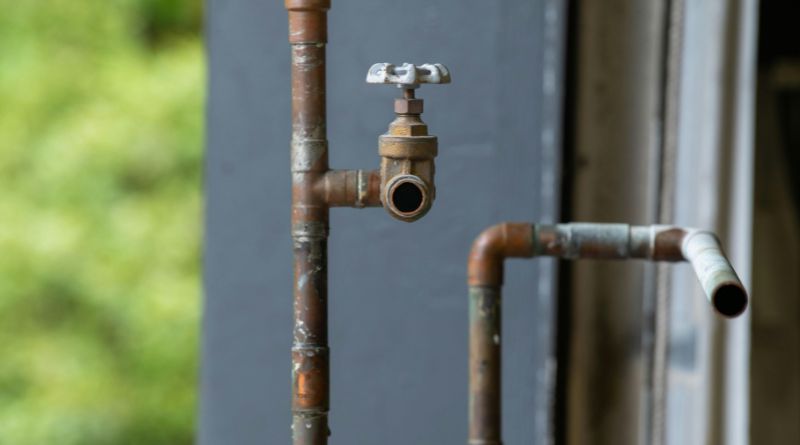
In Springdale, a mild afternoon can quickly turn into a freezing night, leaving a household plumbing system unprepared. Outdoor faucets, pipes in garages, vented crawl spaces, and lines along exterior walls are especially vulnerable when cold air moves in fast. Homeowners who need help identifying leaks, frozen lines, drain problems, water-heater concerns, or pipe damage can find useful local service information through plumbing Springdale, AR. Nwa C&S Plumbing serves homeowners across Northwest Arkansas, including Springdale, Rogers, Fayetteville, and Bentonville, with expertise in leak detection, pipe repairs, drain cleaning, sewer work, water heater services, and other residential plumbing needs. That range of services makes the company a relevant local resource when winter weather exposes an existing plumbing weakness.
Why Springdale Weather Can Be Hard on Plumbing
Homes in Northwest Arkansas are built for changing seasons, but many still have plumbing in areas that lose heat quickly. A garage left open, a crawl-space access door that does not close tightly, or a hose left attached after a warm day can expose water lines to freezing temperatures overnight. Water expands as it freezes, creating pressure that can crack a pipe, split a fitting, or damage an outdoor faucet. Before cold weather arrives, review Springdale Water Utilities’ winter preparation guidance, which emphasizes protecting exterior faucets, closing garage doors, and checking exposed plumbing. Small preventive steps are usually easier and less costly than responding to water damage after a freeze.
Complete a Pre-Freeze Plumbing Check
A seasonal inspection can be completed in an afternoon. Start before temperatures fall, rather than waiting until a freeze warning is issued.
- Locate the main water shutoff valve, make sure it turns freely, and label it clearly.
- Inspect exposed pipes for corrosion, cracks, dampness, or missing insulation.
- Check crawl spaces, utility rooms, garages, attics, and cabinets against exterior walls.
- Close crawl-space doors and seal obvious gaps that allow cold air to reach plumbing.
- Look under sinks and around appliances for drips, water stains, soft flooring, or musty odors.
- Make sure outdoor fixtures and any accessible exposed valves are protected from standing water.
Protect Outdoor Faucets and Exposed Lines
Disconnect garden hoses before freezing weather. A connected hose can trap water against the faucet, preventing a frost-free fixture from draining as intended. If your plumbing arrangement includes an indoor shutoff for exterior faucets, close it and open the outdoor faucet to drain the remaining water when appropriate. Faucet covers can help reduce heat loss around exposed fixtures, but they are not a substitute for disconnecting hoses and addressing trapped water. Also inspect backflow devices, irrigation connections, seasonal meters, and exposed valves. If you are unsure whether a fixture should be drained or shut off, avoid forcing a valve that has not been used in a long time.
Insulate Pipes and Keep Warm Air Moving
Foam pipe sleeves and other insulation used in residential plumbing can reduce heat loss around vulnerable lines. Fit insulation snugly around straight runs, bends, joints, and pipes near vents or openings. Replace material that is wet, loose, crushed, or deteriorated. Insulation helps, but it does not replace heating the home. During a cold snap, keep indoor temperatures steady, even if the house will be empty for a short trip. Keep garage doors closed when possible, open cabinet doors below sinks on exterior walls, and leave interior doors open to let warmer air reach colder rooms. A small faucet trickle may help protect a known vulnerable line, but it is not a complete safeguard and should be used in accordance with local utility guidance and the needs of your home.
What to Do If a Pipe Freezes
Weak flow, no flow, frost on a visible pipe, or unusual banging sounds may indicate a frozen line. If a leak appears or a pipe bursts, turn off the main water supply immediately. Then open a nearby faucet to relieve pressure and move furniture, electronics, and belongings away from water. If the frozen section is visible and safely accessible, apply gentle indirect heat, such as warm air from a hair dryer on a low setting. Never use a torch, lighter, grill, propane heater, or any open flame to thaw plumbing. Call a qualified plumber if the frozen pipe is behind a wall, beneath a slab, in a tight crawl space, or near electrical wiring.
Inspect Carefully After the Thaw
A frozen pipe can remain sealed by ice and reveal damage only after temperatures rise. Check cabinets, ceilings, walls, garages, crawl spaces, and floors for moisture. Listen for running water when every fixture is off, and watch for new stains, dripping sounds, cloudy water, or a sudden change in pressure. Do not immediately return every fixture to heavy use after a hard freeze. Instead, restore water gradually and inspect visible plumbing as pressure returns. Broader household preparation advice from the University of Arkansas, winter weather recommendations can also help families prepare for extended cold conditions.
Watch for Hidden Leak Warnings
An unexplained increase in water use can signal a leak that is hidden under flooring, inside a wall, or in a crawl space. Other warning signs include water pooling near the foundation, a water meter that moves when all fixtures are off, persistently low pressure, or a toilet that continues running. Compare your usage with prior bills before assuming a billing error, then investigate promptly if the change does not have a clear explanation.
When Professional Help Is the Safer Choice
- A pipe has burst, or water cannot be stopped.
- There is no water flow after temperatures rise.
- The suspected frozen or leaking line is hidden behind a wall, under a slab, or inside a crawl space.
- Water has reached electrical outlets, insulation, flooring, or structural materials.
- Repeated freezing suggests a larger problem with insulation, pipe routing, or air leaks.
Build a Simple Plumbing Emergency Kit
Keep an adjustable wrench, flashlight with spare batteries, buckets, absorbent towels, gloves, pipe insulation, and labels for shutoff valves in an easy-to-reach location. Add contact information for the local water utility, your insurance provider, and a trusted plumbing professional. Plumbing protection works best before the temperature drops. A disconnected hose, insulated pipe, sealed crawl-space opening, and clearly identified shutoff valve can reduce stress during a Springdale winter weather event. After a freeze, inspect slowly and seek qualified help whenever leaks are active, pipes are hidden, or working conditions are unsafe.
Conclusion
Preparing a Springdale home before a freeze can prevent a small plumbing issue from turning into costly water damage. Disconnect hoses, protect exposed pipes, keep vulnerable areas warm, and make sure everyone knows where the main shutoff valve is located. After freezing temperatures pass, inspect carefully for leaks because damaged pipes may not show signs until the ice melts. Paying attention to weak water pressure, unexpected water use, damp areas, or unusual sounds can also help identify problems early. When a pipe is hidden, severely frozen, or already leaking, professional help is the safer choice. A few simple precautions before and after a cold snap can help protect the plumbing system and better prepare a household for Arkansas winter weather.