Understanding Your Septic System
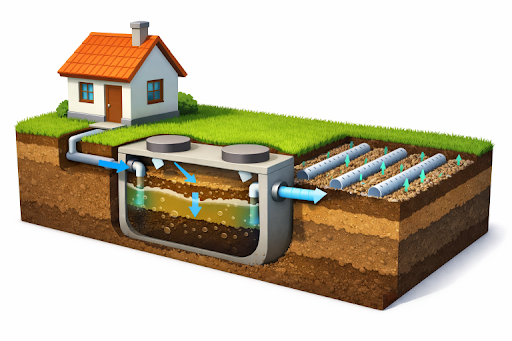
Septic systems are essential for managing household wastewater, especially in areas without centralized sewage connections. A standard system typically includes a septic tank and a drain field. Wastewater from your home enters the tank, where it separates into solid sludge, floating scum, and a liquid layer. This liquid then flows into the drain field, where the soil naturally filters the water before returning it to the environment. For homeowners seeking local expertise, septic services can provide valuable guidance on system maintenance and troubleshooting. Understanding the basic operation of your septic system is the foundation for making informed decisions that protect your home and the environment.
Each component of the system, the septic tank and the drain field, plays a unique role. The septic tank settles waste and reduces solids, while the drain field disperses and treats the liquid effluent. Proper maintenance of both is crucial for reliable function and sustainability.
Regular Inspections and Pumping
Annual inspections help catch issues early, preventing unexpected failures that could cause environmental damage or costly repairs. For septic systems, most experts recommend having your septic tank pumped every three to five years, with household size and water usage influencing the ideal schedule. Regular pumping removes accumulated solids that cannot break down naturally, keeping the entire system working smoothly. Without such maintenance, the tank can overflow, clog your drain field, and require significant remediation.
Mindful Water Usage
Efficient water usage supports the longevity of your septic system. Excessive water flow can overwhelm the tank, pushing solids into the drain field, and potentially causing a system failure. Fix leaky faucets and toilets promptly, invest in low-flow appliances, and space out laundry loads to lessen the daily strain. Being proactive about your water consumption not only extends the life of your system but also benefits the environment by conserving a valuable resource.
Proper Waste Disposal
The materials you send down the drain have a direct impact on septic health. Avoid flushing wipes, diapers, or feminine hygiene products, as these items do not break down easily. Fat, oil, and grease can also create clogs and impede natural breakdown processes. Household chemicals like bleach, paint, and solvents disrupt the balance of bacteria in the tank. Responsible disposal, choosing the trash for non-biodegradable and hazardous items, will help you avoid unnecessary septic issues.
Protecting the Drain Field
The drain field is where wastewater is treated. Protect it by never parking vehicles or placing heavy structures on top, since this can compact soil and damage pipes. Vegetation plays an important role; grass is ideal, but trees and deep-rooted plants can invade pipes and disrupt drainage. Ensure that landscaping and drainage routes direct stormwater away from the area to avoid oversaturation, which can reduce the soil’s ability to treat wastewater effectively.
Recognizing Warning Signs
Early detection of septic system problems can mean the difference between a quick fix and a costly replacement. Warning signs include slow-draining sinks, frequent toilet backups, gurgling sounds in the plumbing, or unpleasant odors near the tank or drain field. Pools of water, especially after dry weather, suggest that the tank’s effluent is not filtering properly. If these symptoms arise, consult a properly licensed professional as soon as possible.
Maintaining Records
Documenting all septic system work, including inspections, pump-outs, and repairs, is beneficial for several reasons. Good records help you and your service provider track your system’s condition and streamline future maintenance planning. Documentation is also a valuable asset if you decide to sell your home, offering transparency to prospective buyers about the care you have invested in the property.
Seeking Professional Assistance
While homeowners can handle many routine responsibilities, professional expertise is essential for inspections, tank pumping, and repairs. Qualified septic service providers use specialized equipment to diagnose problems that may be invisible to the untrained eye. They offer recommendations based on local regulations and specific soil types, helping you avoid regulatory pitfalls and ensuring your system is safe and effective. Partnering with an expert team is particularly important if your property has unique challenges, such as high groundwater or clay-heavy soil.
Final Thoughts
Septic system care is crucial for protecting your investment and ensuring environmental responsibility. By understanding system mechanics, following a maintenance schedule, using water thoughtfully, disposing of waste properly, and recognizing when to call a professional, you are well-equipped to keep your system operating at its best for years to come. Regular care not only helps prevent emergencies but also supports a safer, healthier home for your family and the surrounding community.