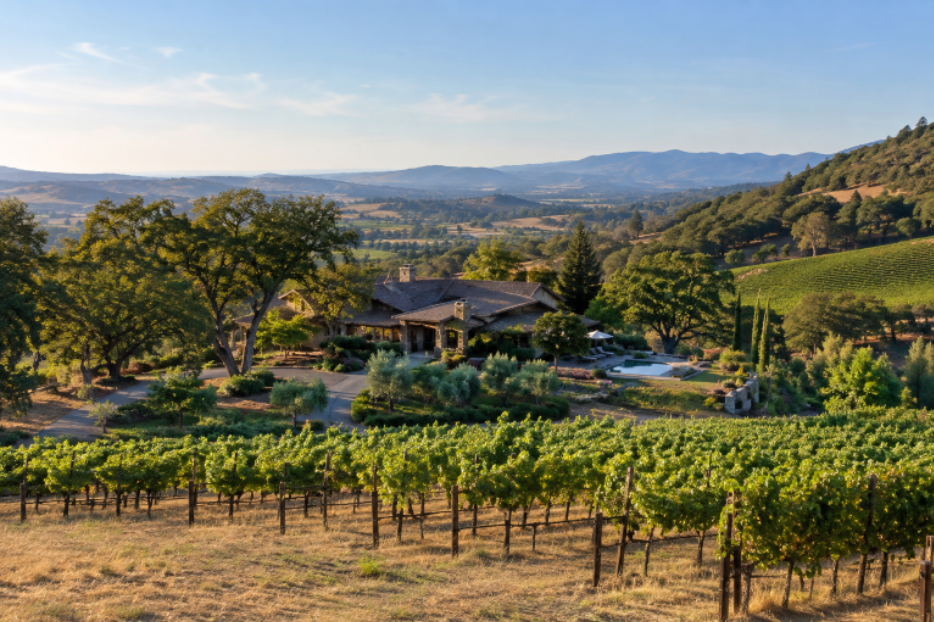
Buying in Healdsburg can mean choosing between a walkable in-town residence, a hillside retreat, a vineyard-adjacent estate, or a home with room to spread out beyond the city limits. Each can offer a compelling version of Wine Country living, but the purchase process should go far beyond views, finishes, and first impressions.
People exploring Healdsburg, CA homes for sale can use Ceci Cook’s Healdsburg real estate page as a local starting point for current listings, neighborhood information, market context, and property searches. Ceci Cook is a California real estate associate broker serving Healdsburg, Sonoma County, the San Francisco Bay Area, and Wine Country, making her perspective particularly relevant as buyers compare local property types and lifestyle priorities.
Why Wine Country Homes Need Extra Research
A home in or around Healdsburg may have features less common in a conventional suburban neighborhood. Private wells, septic systems, propane tanks, long driveways, shared roads, detached guest spaces, barns, pools, and acreage can all add character. They can also add inspection needs, maintenance responsibilities, and recurring costs.
The goal is not to avoid rural or semi-rural property. It is to understand what comes with it. A spectacular valley view is valuable only if the land, systems, access, and budget support the way you plan to live there year-round.
Start With the Land, Not the Listing Photos
Whenever possible, walk the entire property rather than limiting your visit to the house, patio, and landscaped areas. Look for changes in elevation, drainage paths, standing water, erosion, retaining walls, mature trees, and branches that extend over structures or driveways. Notice where the property receives strong afternoon sun, where shade lingers, and which areas appear genuinely usable.
More acreage does not automatically mean more practical outdoor space. A steep hillside, brush-heavy parcel, or narrow strip of land may require regular attention without functioning as a garden, play area, vineyard, or gathering space. Ask what is maintained now, what the seller does personally, and what work is routinely contracted out.
It is also wise to understand the setting beyond the parcel lines. Nearby land may be agricultural, protected open space, privately owned, or eligible for future development. Review the title information, maps, and local planning records before assuming that a current view or quiet boundary will remain unchanged.
Check Water, Septic, and Utility Systems
Private systems deserve the same attention as the home itself. Confirm whether water comes from a municipal provider, a private well, or a shared well. For a well, request available records on production, water quality, equipment, storage, and prior repairs. Independent testing and inspection can provide a clearer picture than a general statement that the water system is working.
Arrange a professional septic inspection when the property is not connected to a public sewer. Review permits and confirm the system’s approved capacity, especially if the home includes a guest unit, pool house, converted space, or an advertised bedroom count that may affect future use.
Ask direct questions about propane tank ownership, solar equipment, generators, batteries, internet options, cell reception, trash collection, and prior power outages. A property that feels private and peaceful on a weekend can feel very different when a utility issue needs attention on a weekday morning.
Review Roads, Easements, and Emergency Access
Drive the approach to the home more than once. Determine whether the road is public, private, or shared, then review any recorded easements and road-maintenance agreements. A shared driveway can work smoothly, but buyers should know who is responsible for grading, drainage, tree removal, repairs, and storm cleanup.
During inspections, look for steep grades, narrow curves, washout areas, poor drainage, low-clearance branches, gates, bridges, and weight restrictions. Consider practical access for emergency vehicles, delivery drivers, contractors, moving trucks, and visiting family. If the route feels challenging in dry daylight, revisit it after rain or near dusk.
Look Closely at Wildfire Preparation and Home Hardening
Wildfire exposure should be reviewed early, alongside financing and insurance. Inspect the roof, gutters, vents, windows, decks, siding, attached fencing, vegetation, and the condition of nearby outbuildings. Ask for records of roof work, vent upgrades, vegetation management, fire inspections, and other mitigation efforts.
California buyers can use CAL FIRE defensible-space guidance to understand why the area closest to a structure deserves special attention. The property should also be evaluated for evacuation routes, driveway clearance, address visibility, and the ability to maintain vegetation over time.
Price the Full Cost of Ownership
The sale price is only the beginning of the financial picture. Build an ownership estimate that includes property taxes, insurance, landscaping, tree work, well testing, septic pumping, private-road contributions, pool service, pest control, generator maintenance, and care for detached structures.
Request insurance quotes before removing contingencies, not after closing plans are underway. Coverage terms, deductibles, exclusions, and available options can differ from one property to another. The California Department of Insurance’s residential insurance information can help buyers prepare questions about coverage and alternatives when comparing policies.
Compare Daily Life With Weekend Appeal
Visit at different times of day if you can. Check the actual drive to groceries, schools, medical care, work, restaurants, and other places you use regularly. Pay attention to road noise, harvest activity, farm equipment, nearby events, tourism traffic, and the privacy of outdoor spaces.
Be honest about the lifestyle you want. A downtown-adjacent home may better suit buyers who value walkability and easy access to community life. A more remote property may fit those who prioritize quiet, views, land, and separation from neighbors. Neither choice is automatically better, but each has a different daily rhythm.
Use Local Market Knowledge Carefully
Broad regional averages rarely capture the condition and complexity of a specific Wine Country property. Compare homes with similar locations, lot utility, access, building age, private systems, insurance considerations, and maintenance demands. A renovated in-town home, a Dry Creek Valley estate, and a hillside parcel may all be in the Healdsburg area, yet they should not be evaluated as interchangeable options.
Follow a Simple Due Diligence Process
- Confirm financing and seek early insurance estimates.
- Review disclosures, title documents, easements, permits, and boundaries.
- Schedule a general home inspection.
- Add specialized inspections for wells, septic systems, roofs, chimneys, pools, outbuildings, and roads when appropriate.
- Assess drainage, wildfire preparation, vegetation, and emergency access.
- Estimate immediate repairs and ongoing maintenance.
- Compare the property with at least two or three realistic alternatives.
Questions Buyers Often Ask
Is a Wine Country Home Harder to Maintain?
It can be, depending on acreage, terrain, landscaping, building age, private systems, and the number of structures. The right home is one whose maintenance level matches your time, budget, and willingness to coordinate service providers.
Should Buyers Test a Private Well?
Buyers should review available records and work with qualified professionals to evaluate water quality, well performance, equipment, and any needed repairs or upgrades.
Can Wildfire Risk Affect Financing?
Insurance availability and cost can influence the total monthly budget and may affect how comfortably a buyer can meet lender and ownership requirements.
Make the View Part of the Decision, Not the Whole Decision
The best Healdsburg-area home is not necessarily the largest parcel or the most dramatic overlook. It is the property that balances land condition, water, septic, access, wildfire preparation, insurance, permits, upkeep, and everyday convenience. Careful research before an offer can help turn Wine Country living into a rewarding long-term decision with fewer surprises.