A functioning drainage system moves wastewater away from sinks, tubs, showers, and other fixtures. When material restricts that flow, the appropriate cleaning method depends on the type and location of the obstruction.
Drain cleaning is the process of clearing material from a drainage pipe so water can move through the system. Professionals use different equipment based on the plumbing configuration and the condition of the pipes.
Understanding the main methods can explain why a technician may recommend one approach instead of another. It can also help property owners recognize situations that require professional assessment.
What Causes Drain Blockages?
Drain blockages can develop from different types of material entering or accumulating inside a pipe. Hair, soap residue, and grease are common contributors in household drainage systems.
Foreign objects can also restrict flow if they enter a pipe. Sediment and mineral deposits may create additional buildup over time, particularly in systems with recurring drainage problems. The location of the material matters as well. A blockage close to a fixture may require different equipment than one located farther along a branch or main drainage line.
How Professionals Assess a Drain
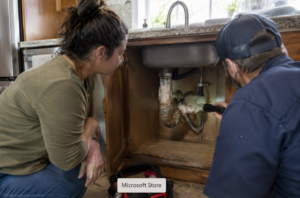
Before selecting a cleaning method, a plumbing professional can evaluate the affected fixture and drainage system. The assessment may include questions about how long the problem has existed and whether it has returned. In some cases, a camera inspection can provide a view inside the drainage pipe. This can help identify the location of an obstruction and reveal conditions affecting the pipe interior.
The information gathered during an assessment helps determine which equipment is appropriate. It also helps distinguish a removable blockage from a plumbing condition that may require repair.
Mechanical Drain Cleaning
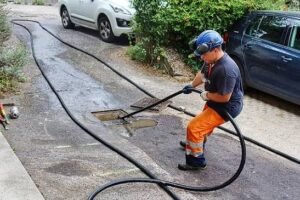
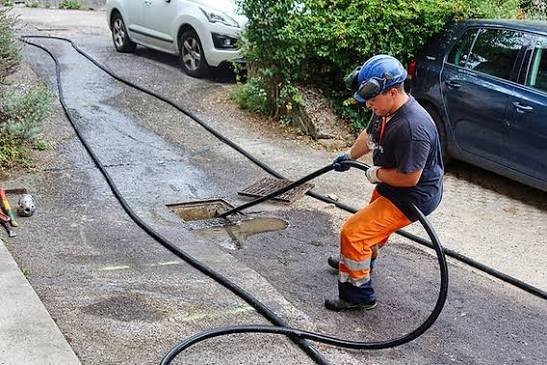
Mechanical cleaning uses equipment designed to physically reach and clear an obstruction. A drain auger, for example, uses a flexible cable that travels through the pipe. The cable can contact material blocking the passage and break it apart or help remove it. Motorized equipment can provide greater reach when a blockage is located farther inside the drainage system.
This method is commonly associated with individual blockages. Equipment size and configuration vary according to the pipe and the location being serviced. Mechanical cleaning focuses on physically clearing the restricted passage. It does not necessarily remove deposits from the entire interior surface of a drainage pipe.
Hydro Jetting
Hydro jetting takes a different approach by using pressurized water to clean the inside of a suitable drainage pipe. Specialized nozzles direct water against accumulated material. The process can remove certain types of grease, sediment, and other deposits from the pipe walls. It can therefore serve a different purpose from equipment designed primarily to reach a single obstruction.
Hydro jetting is not suitable for every drainage system. A professional should consider pipe material, structural condition, and access before selecting this method.
When to Call a Professional
Some drainage problems require professional attention because their cause or location cannot be determined from the affected fixture alone. A blockage that repeatedly returns is one reason to arrange an assessment. Recurrence can indicate material farther inside the system or another condition affecting drainage.
Several fixtures becoming slow at the same time can also indicate an issue in a shared drainage line. This differs from a problem limited to one sink, tub, or shower. Professional service is particularly relevant when wastewater backs up into fixtures or fails to drain normally. These conditions can indicate a more extensive obstruction within the plumbing system.
What Professional Service Can Identify
Cleaning and inspection serve different purposes. Cleaning focuses on removing an obstruction, while inspection can provide information about the condition and configuration of the drainage system. An assessment may identify problems such as damaged piping, significant internal deposits, or an obstruction that requires specialized equipment. These findings can affect what service is appropriate.
This distinction matters when a blockage is only a symptom of a larger plumbing issue. Clearing the immediate restriction may not resolve a problem within the pipe itself.
Choosing the Appropriate Method
There is no single drain-cleaning method that applies to every situation. The appropriate technique depends on the obstruction, pipe condition, system layout, and location of the problem.
A professional assessment provides the information needed to match the service to the plumbing system. This approach avoids treating different drainage problems as though they have the same cause. For more information, don’t hesitate to contact a drain cleaning expert.