Key Takeaways
- Austin roofs experience stress from heat, UV exposure, hail, wind, and sudden downpours.
- Small defects can worsen quickly during a major storm or after a long period of summer heat.
- Seasonal visual checks can reveal loose shingles, drainage problems, flashing damage, and attic moisture.
- Isolated damage may be repairable, but widespread wear or recurring leaks can make replacement the better long-term choice.
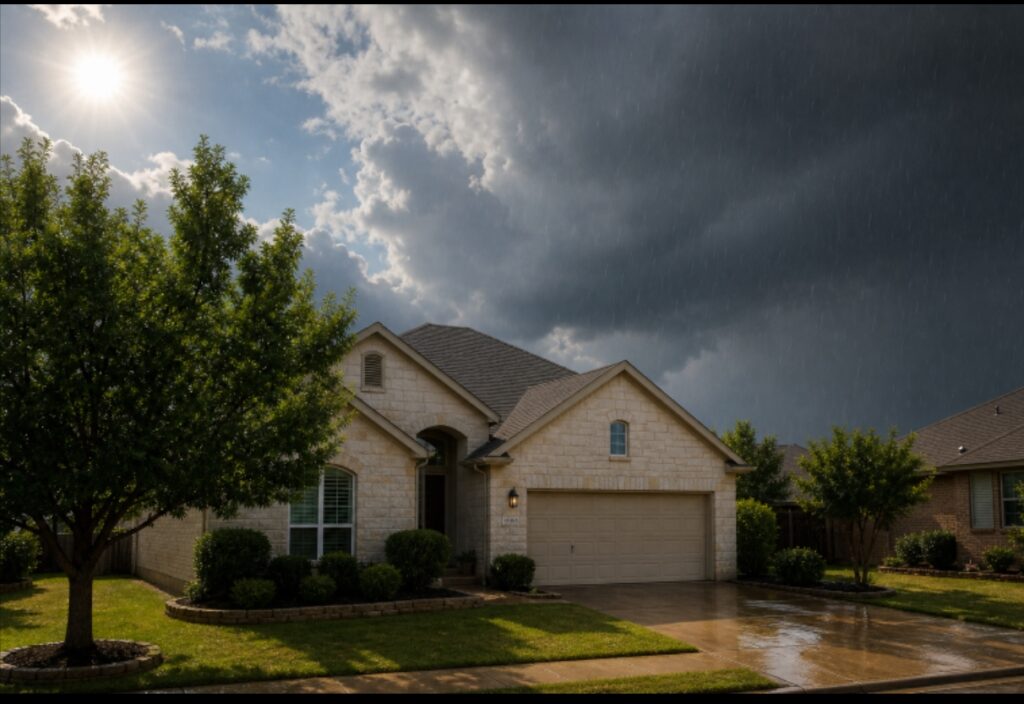
Austin homeowners deal with a demanding mix of blazing sun, sudden thunderstorms, hail, gusty winds, and heavy rain. Understanding how those conditions affect a roofing system can help you catch small issues before they become expensive leaks. For local repair or replacement guidance, homeowners can review the Austin Longhorn Roofing guide to roof granule loss after noticing storm damage or signs of age. Your roof is more than a layer of shingles. Flashing, vents, underlayment, gutters, drainage paths, and attic ventilation all work together to keep water and heat under control. A practical inspection routine helps homeowners make better decisions before the next heat wave or storm arrives.
Why Austin Weather Is Hard on Roofs
Austin’s long, hot summers repeatedly heat roofing materials, then allow them to cool overnight. That expansion and contraction can gradually weaken shingles, seal strips, flashing, and exposed fasteners. According to the Austin climate summary, normal highs reach 90 degrees by late May and generally remain above 90 through late September. It also identifies March through May as the area’s primary severe-weather season, when large hail and strong winds are common.
Seasonal Roofing Risks in 2026
Winter and Early Spring
Cold fronts can bring abrupt temperature changes and strong winds. Check for loose shingles, damaged vent covers, pulled flashing, and tree limbs that rub against the roof. Before spring rain begins, clear gutters and downspouts so water can move away from the roofline.
Spring Storm Season
Hail and wind may damage a roof even when it looks normal from the yard. After a major storm, inspect the ground for roofing pieces, look for dents on metal vents and gutters, and check ceilings for fresh stains. Do not walk on a wet, steep, or visibly damaged roof.
Summer Heat
Extreme heat can make older shingles brittle, loosen adhesive strips, and accelerate granule loss. A roof may also leak during the first hard rain after a dry spell because a weakened seal, cracked flashing, or compromised valley finally receives sustained water exposure.
Late Summer and Fall
Use this period to inspect flashing around chimneys, skylights, plumbing vents, and roof edges. Remove leaves and branches from drainage areas, then schedule any needed repairs before another period of heavy rain arrives.
How Heat and UV Rays Wear Down Roofing
Roof surfaces can become far hotter than the outdoor air, especially on dark materials in direct sun. Common heat-related warning signs include curling corners, cracked shingles, faded surfaces, exposed asphalt, and granules collecting in gutters. Poor attic airflow worsens the problem by trapping heat and moisture beneath the roof deck. Check intake vents at soffits and ensure exhaust vents have a clear path for hot air to escape. Ventilation is a system issue, not simply a shingle issue.
How Hail, Wind, and Heavy Rain Cause Damage
Hail
Hail can bruise shingles, knock away granules, expose the underlying mat, dent vents, and damage gutters. The threat deserves prompt attention: NOAA confirmed in April 2026 that a hailstone from a June 2, 2024, storm near Vigo Park measured 7.1 inches, setting a Texas record. Read the NOAA report on the Texas hailstone record for perspective on the severity that Texas storms can produce.
High Wind and Heavy Rain
Wind can lift, crease, or remove shingles and loosen flashing around roof penetrations. Heavy rain then finds those vulnerable points, particularly valleys, roof edges, vents, and skylights. Interior stains may appear several feet from the original entry point, so inspect attic insulation and framing after a major downpour.
Roof Warning Signs Homeowners Should Watch
Watch for missing, cracked, curled, or loose shingles; dark spots; soft areas; gutter granules; rusty flashing; damaged vents; sagging rooflines; and gutters pulling away from the fascia. Ceiling stains, dripping water, sagging, or exposed decking require urgent professional attention. A small amount of debris or minor discoloration can usually wait for a scheduled inspection, but should still be documented.
A Simple Roof Maintenance Plan
Each month, look indoors for stains, check gutters for excess granules, and notice damp insulation or musty attic odors. Before spring storms, inspect drainage and nearby trees. Before peak summer, review attic ventilation. After severe weather, photograph visible damage from the ground, move valuables away from active leaks, use containers to catch water, and arrange an inspection when damage is suspected.
When to Repair and When to Replace
Repair may be reasonable when damage is limited, the roof is relatively young, and the decking, flashing, and underlayment remain sound. Replacement is often more practical when there is broad granule loss, brittle shingles, repeated leaks, sagging, damaged decking, or a roof nearing the end of its service life. Compare the roof’s age, repair history, storm damage, material condition, ventilation, and how long you plan to own the home.
Roofing Material Choices for Austin Homes
Asphalt shingles are widely available and cost-effective, but quality and installation matter. Impact-resistant shingles can be worth considering in hail-prone areas. Metal roofing offers durability and reflective potential, while cool roofing products can reduce heat absorption. Whatever material you choose, evaluate the complete system, including flashing, drainage, underlayment, ventilation, and artistry.
What to Do After Storm Damage
First, make sure the property is safe. Record the storm date, photograph damage from the ground, save receipts for temporary protection, review your policy, and request a written inspection report and detailed estimate. Avoid rushed door-to-door agreements. Coverage for wind damage, wind-driven rain, and flooding can vary, so read the policy language carefully before authorizing major work.
Common Questions About Austin Roof Care
How often should an Austin roof be inspected?
Schedule an inspection annually and after significant hail, wind, or heavy rain. Older roofs may need closer monitoring.
Can a roof leak without missing shingles?
Yes. Leaks often begin around flashing, valleys, vents, skylights, or damaged underlayment.
Does attic ventilation matter?
Yes. Balanced airflow helps control heat and moisture, reducing avoidable stress on roofing materials.
Conclusion
Austin roofs Austin roofs must withstand a continuous cycle of heat, storms, wind, and heavy rain. Seasonal maintenance, clear documentation, and timely inspections can prevent minor defects from becoming larger problems. The best roofing decision comes from evaluating the entire system, then choosing a repair or replacement approach that fits the home’s condition and long-term needs. Homeowners should consider factors such as roof age, material performance, ventilation, drainage, and past repair history before making decisions. Regular inspections can help identify damaged shingles, leaks, flashing issues, or moisture concerns before they affect the interior of the home. A proactive roofing plan not only protects the structure but can also improve energy efficiency, preserve property value, and provide greater confidence through changing weather conditions.