In the modern drive for sustainability and cost-saving in the built environment, roof coatings have become an essential tool. More than just protective barriers, these advanced coatings are being recognized for their ability to enhance energy efficiency, reduce operational costs, and extend the life of roofing systems. Property owners seeking practical solutions for maintaining and improving their buildings often turn to roof coatings for measurable results. Click Here to discover how advanced roof coatings can contribute to your building’s longevity and performance.
From combating environmental stressors to delivering long-term savings, roof coatings offer benefits that go well beyond what most expect. Despite widespread misconceptions, current technology provides diverse, highly engineered options suitable for nearly any type of roof. With innovation driving the industry forward, it pays to stay informed about what roof coatings can deliver for your property.
This guide takes an in-depth look at the true advantages of roof coatings, dispels common misunderstandings, and explores the latest breakthroughs that may change how you manage your building’s envelope. Whether you own a business or manage residential property, understanding these products is crucial to making smart, cost-effective choices.
Property owners and managers are also becoming increasingly aware of how roof coatings can help tackle broader issues like urban heat islands and environmental impact. Their role in reducing landfill waste and lowering carbon footprints often aligns these solutions with sustainability or green building goals. The potential for both economic and ecological gain is driving more decision-makers to explore roof coatings as a proactive investment.
Understanding Roof Coatings
Roof coatings are seamless, fluid-applied membranes that adhere directly to the roof substrate, forming a monolithic and weatherproof layer. Unlike simple paints, most roof coatings possess elastomeric qualities, allowing them to stretch with temperature changes and movement and then return to their original shape. These coatings shield roofs from harsh ultraviolet rays, water intrusion, hail, and physical wear, providing a protective barrier that can help prevent costly repairs.
Major types of roof coatings include acrylic, silicone, polyurethane, and fluoropolymer formulations, each tailored for different roof types and climates. Their ability to bridge small cracks, reinforce vulnerable points such as seams and flashings, and deliver waterproofing benefits makes them popular choices for both retrofits and new construction.
Key Benefits of Roof Coatings
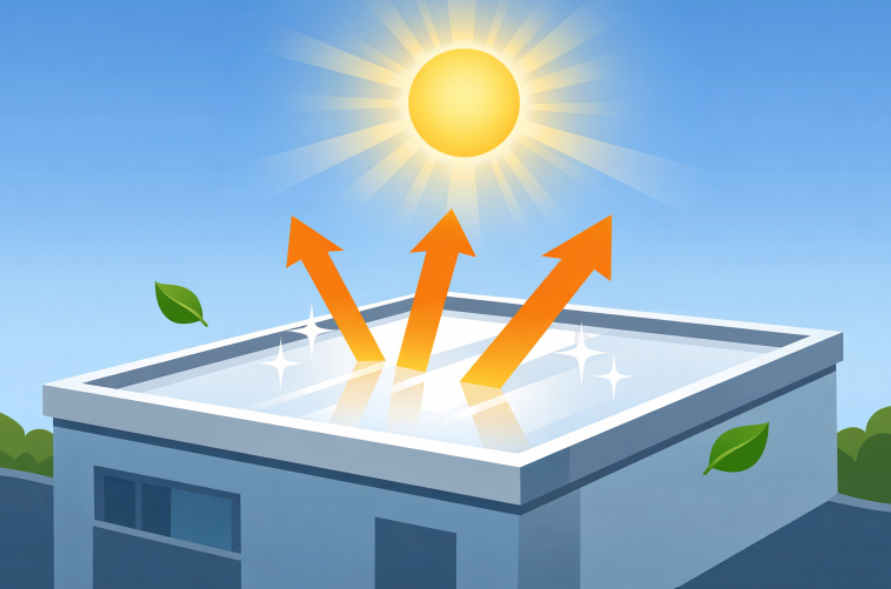
- Energy Efficiency: Research shows that reflective roof coatings can dramatically reduce surface temperatures, sometimes by as much as 30 to 50 percent. This reduction directly leads to lower air conditioning demands and energy bills, especially in sun-exposed climates. A switch from dark, heat-absorbing roofs to bright, reflective coatings has been linked to up to a 25 percent decrease in cooling costs, according to the U.S. Department of Energy (energy.gov).
- Extended Roof Lifespan: By blocking harmful UV rays and halting the gradual breakdown of roofing materials, coatings can effectively double or even triple the usable life of a roof. Their sealing action halts the development of micro-cracks and shields against ongoing environmental degradation.
- Leak Prevention and Waterproofing:Because the coating forms a continuous membrane without seams or joints, it prevents water entry at vulnerable points. Silicone coatings, in particular, withstand ponding water, while advanced acrylics deliver durability on sloped surfaces.
- Environmental Benefits: The environmental value of roof coatings ranges from reducing heat island effects in urban settings to contributing to green certification through low-VOC formulas and avoiding old roof tear-offs, which minimize landfill waste.
Debunking Common Myths
Several myths continue to linger regarding the use and performance of roof coatings, hindering some property owners from tapping into their full benefits:
- Myth: Roof coatings only serve as temporary fixes.
- Reality: Contemporary formulas, reinforced with advanced polymers or ceramics, are designed for multi-decade durability. When properly applied, quality coatings offer long-term solutions that rival or surpass traditional roof replacements in longevity.
- Myth: Roof coatings are only viable for flat or low-sloped roofs.
- Reality: Today’s product range is engineered to bond with metal, asphalt, single-ply, and even some sloped systems, provided the correct type and preparation steps are followed.
Modern Innovations in Roof Coatings
Advances in roof coating technology are accelerating rapidly, with innovative products now capable of adjusting their thermal properties to maximize energy savings year-round. “Smart” roof coatings employ materials that reflect heat in summer and aid heat retention in winter. This dynamic adaptability offers greater utility in varied climates and enables buildings to achieve more consistent interior comfort without additional energy input or emissions.
Water-based fluoropolymer coatings represent another leap forward. These coatings offer exceptional resistance to color fading, chalking, and UV degradation. Their long-lasting durability and low maintenance needs make them ideal for demanding commercial settings.
Choosing the Right Roof Coating
Each building has unique requirements based on local climate, the existing roof system, and performance goals. Consulting with a roofing professional ensures you select the best product for your situation. Considerations include whether your property is in an area with high UV exposure or heavy rainfall, what materials make up your roof, and whether you prioritize reflectivity or waterproofing. The most effective systems deliver targeted benefits, improving both building efficiency and occupant comfort.
Application Process and Maintenance
Applying a roof coating is a methodical process designed to ensure lasting performance. The typical steps include:
- Inspection: The roof is carefully examined for existing damage or areas needing repair.
- Cleaning: Power washing and debris removal guarantee a clean surface for maximum adhesion.
- Priming: On certain surfaces, primers enhance bonding and prevent coating failure.
- Coating: Multiple layers are applied, often with specialized sprayers or rollers, to achieve optimum thickness.
- Curing: Proper curing time allows the material to form a durable, flexible barrier.
- Final Inspection: Thickness and uniformity are checked before the roof is returned to service.
Ongoing maintenance, such as periodic inspections and surface cleaning, extends the benefits and longevity of a coated roof. Prompt attention to minor issues can protect your investment and prevent larger problems down the road.
Conclusion
Roof coatings provide a deeply practical approach to improving energy efficiency, extending roof life, and supporting environmental sustainability. Innovation continues to evolve the field, giving building owners a powerful array of choices to meet individual needs and broader sustainability goals. By focusing on quality products, expert application, and routine maintenance, property owners can significantly enhance both the performance and value of their buildings.