Table of Contents
- Spring Maintenance
- Summer Maintenance
- Fall Maintenance
- Winter Maintenance
- General Maintenance Tips
- When to Call a Professional
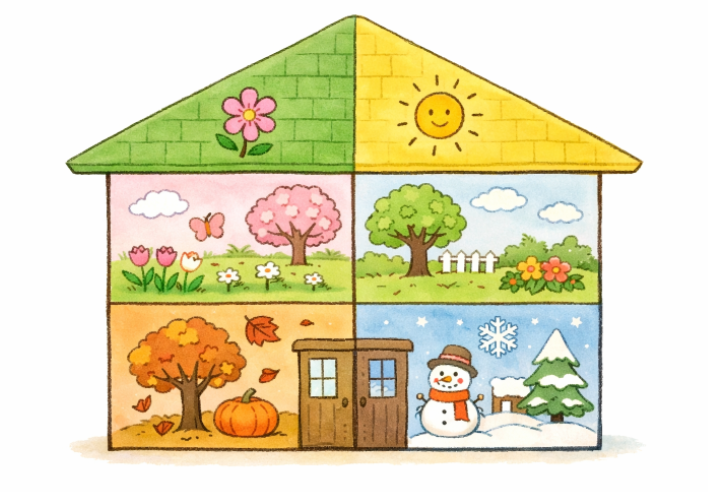
Maintaining your roof throughout the year is crucial for preserving its strength and safeguarding your home from unpredictable weather. Different seasons bring unique challenges, and a tailored approach to roof care helps you avoid costly repairs while maximizing your roof’s longevity. If you’re unsure where to begin or want to guarantee your home’s best protection, visit website, which offers expert guidance and professional roofing services.
Each season calls for specific maintenance tasks, from inspecting winter damage in spring to keeping gutters clear in the fall. A structured maintenance plan empowers homeowners to spot problems early, saving time and money over the long run. Whether you’re new to roof upkeep or want to find a more efficient approach, this guide will outline everything you need to know.
Regular attention to your roof will help it withstand harsh weather, prevent leaks, and keep your energy bills in check. Proactive care can also boost your property’s value and make sure your home remains comfortable and dry no matter the season.
For additional tips on home exterior maintenance, you can explore resources from leading publications like HGTV’s 10 Home Maintenance Tips for Spring, which provides helpful checklists and advice.
Spring Maintenance
Winter weather can leave behind a trail of damage. Spring is the ideal time to survey your roof for problems and prepare for heavy rain. Begin by closely examining your roof for missing or damaged shingles and cracks in the flashing, which can quickly result in leaks if left unrepaired. Check your attic for water stains, damp insulation, or sunlight sneaking through the roof boards, as these can indicate hidden leaks.
- Inspect for Damage: Look for curling or cracked shingles, and closely inspect areas around chimneys, skylights, and vents for any signs of deterioration.
- Clean Gutters and Downspouts: Remove leaves, twigs, and other debris to encourage proper drainage and avoid water backup.
- Trim Overhanging Branches: Cut back branches that could scrape or break onto the roof during spring storms.
Taking these steps each spring will help catch minor problems before they cause major headaches and costly structural damage.
Summer Maintenance
While summer is a good time for roof repairs due to warm and dry weather, the season’s high temperatures can take a toll. Prolonged heat can make shingles brittle or cause blisters, and strong summer storms may loosen shingles or flashing.
- Check for Heat Damage: Scan for areas where shingles appear warped, blistered, or discolored.
- Ensure Proper Ventilation: Make sure attic vents are clear so heat can escape, which extends your roof’s lifespan and reduces cooling costs.
- Inspect for Storm Damage: After severe weather, look for obvious problems like missing shingles, as well as subtle issues such as loose nails or buckled flashing.
Maintaining your roof through the hot months not only protects the structure but keeps your home cooler and more energy efficient.
Fall Maintenance
Autumn is the last chance to address roof issues before harsh winter conditions set in. The focus shifts to clearing gutters of falling leaves and debris, which can otherwise lead to clogs and ice dams when snow arrives.
- Clean Gutters and Downspouts: Frequent cleanouts prevent water backup and potential foundation problems.
- Inspect Flashing and Sealants: Carefully check all roof joints, vent pipes, and around chimneys, resealing any cracked or old caulking.
- Check for Moss and Algae: Remove moss or algae carefully, using a soft brush or a commercial cleaner, because these hold moisture against the roof and lead to decay.
These fall tasks are essential for keeping your roof protected against the season’s rain and the upcoming winter snow and ice.
Winter Maintenance
Heavy snow, ice dams, and temperature swings can cause significant damage if you are not vigilant. Keep an eye out for the warning signs of ice dams along your eaves, which can force melting snow under shingles and into your attic.
- Monitor for Ice Dams: If you notice icicles forming, it could be a sign that heat is escaping and melting snow unevenly, creating pools of water that refreeze along the edges.
- Ensure Adequate Insulation: Make sure your attic is properly insulated to keep warm air inside your house, minimizing chances for ice dam formation.
- Remove Excess Snow: During heavy snowfalls, use a roof rake to carefully clear snow from the edges of your roof, protecting against weight stress and leaks.
Proactive winter care helps you avoid long-term damage and expensive repairs that can result from unchecked snow and ice buildup.
General Maintenance Tips
Some maintenance steps are useful year-round. Set a reminder for annual professional inspections even if your roof appears to be in good shape, and keep detailed records of all repairs, cleanings, and changes made.
- Schedule Regular Inspections: Roofers recommend an inspection at least once a year to catch potential problems early
- Address Repairs Promptly: Fix small issues like missing shingles or deteriorated caulk to prevent larger, more expensive problems later.
- Keep Records: Note inspection dates, changes made, and any warranty details for easy reference.
Consistent attention keeps your roof sturdy and helps catch problems while they are still easy and affordable to fix.
When to Call a Professional
Many roof maintenance tasks can be handled by homeowners, but there are moments when it is best to leave the job to a licensed contractor. If you spot major leaks, widespread shingle loss, or feel unsafe accessing your roof, call a professional. Roofs with steep pitches or multiple stories can be dangerous, and many warranties require proof of professional maintenance for claims to remain valid.
- Extensive Damage: Only professionals should handle serious leaks, missing sections, or structural concerns.
- Safety Concerns: If you feel nervous about climbing or working on your roof, hire an expert.
- Warranty Preservation: Some manufacturers require professional service to keep warranties intact.
Following these seasonal maintenance tips will help you extend your roof’s life, maintain your home’s value, and provide year-round peace of mind.