Falls Church, Virginia, is rapidly becoming a leader in urban infrastructure improvement through a range of forward-looking civil engineering initiatives. As the city continues to grow, its planners and engineers are turning to advanced technology and collaborative partnerships to address modern challenges and shape a resilient urban landscape. For those looking for a professional civil engineer in Falls Church, VA, these innovative approaches are enhancing both quality of life and sustainability throughout the area.
With a strong focus on improving traffic management, integrating sustainable construction techniques, and modernizing critical infrastructure, Falls Church is creating a blueprint for cities aiming to blend progress with environmental responsibility. The blend of historic charm and technological advancement makes Falls Church an excellent case study in urban revitalization for communities across the nation.
The city’s efforts span a wide range of projects, from collaborating with research institutions to actively engaging residents in planning processes. These ongoing advancements not only address existing issues such as aging stormwater systems but also set the stage for a smarter, greener future. Each major initiative draws from the latest civil engineering thinking, driven by interdisciplinary cooperation.
By investing in infrastructure upgrades, renewable energy, and modern traffic control measures, Falls Church is leading the way in community-centric, future-ready city planning. These efforts ensure that both the needs of citizens and the demands of sustainable growth are met in tandem.
Smart City Initiatives
At the core of Falls Church’s transformation is its Smart Cities Program, developed in partnership with the Virginia Tech Transportation Institute. The initial phase of this initiative is concentrated on modernizing the city’s traffic systems. By upgrading intersections and installing automated traffic management technology, the city can enhance pedestrian safety and optimize traffic flow for all road users. These advancements help reduce collisions and keep both motorists and non-motorized users moving safely throughout the city. The use of data-driven analysis in these upgrades also sets the groundwork for future expansion into broader smart city applications.
Collaborations with Virginia Tech
Innovation in Falls Church is bolstered by its active collaboration with Virginia Tech, particularly through the Coalition for Smart Construction. Housed in a state-of-the-art facility, this coalition brings together academic experts, industry leaders, and government stakeholders. By sharing research, technology, and best practices, the partnership aims to accelerate the adoption of smart construction materials and methods throughout the region. These advancements not only reduce construction costs and timelines but also equip the city with new tools to tackle infrastructure challenges.
Modernizing Aging Infrastructure
Like many established cities, Falls Church is addressing significant challenges associated with its aging infrastructure. Much of the city’s stormwater system, built between the 1930s and 1960s, is now outdated and undersized to meet current demands. To address flooding and water damage, city leaders have committed to investing $20 million over the next decade to replace aging pipes and improve drainage capacity. This comprehensive upgrade will help protect residences and businesses, ensure public safety during severe weather, and provide a more robust foundation for future development.
Sustainable Construction Practices
Leadership in sustainable construction is demonstrated by projects such as the HITT Contracting headquarters in Falls Church. This flagship building utilizes a 100,000-square-foot solar canopy to generate all of its own electricity, reflecting the city’s ongoing commitment to renewable energy and eco-friendly building standards. Integrating such advancements into civic and commercial infrastructure not only reduces the environmental impact but also serves as a replicable model for other municipalities in the region. The emphasis on sustainability is further supported by city policies that promote green building certifications and encourage the adoption of energy-efficient practices across new and existing developments.
Community Engagement and Planning
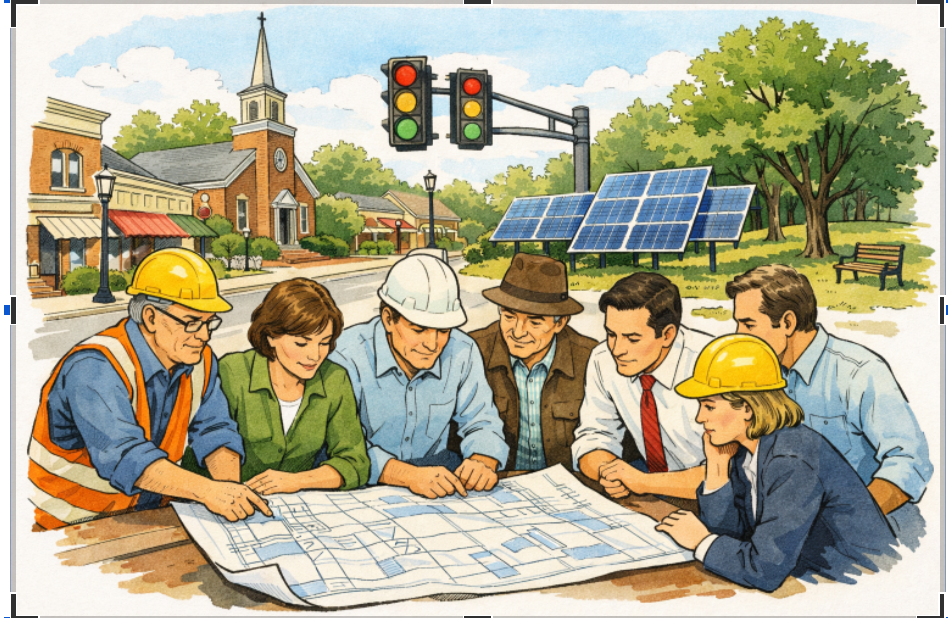
Successful urban transformation requires input and support from those most affected. Falls Church has embraced a comprehensive approach to community engagement, hosting regular public forums, workshops, and consultations. These initiatives help city planners and engineers identify local priorities and integrate resident feedback into project designs. Open and transparent planning processes ensure that infrastructure investments reflect residents’ values while fostering trust between the community and decision-makers. As a result, civic projects in Falls Church are met with a sense of local ownership and pride, fueling continued engagement and positive outcomes.
Future Outlook
The trajectory for Falls Church’s urban infrastructure is one of ongoing integration of technology, sustainability, and innovation. With new projects already underway and a continued partnership with leading educational and research organizations, the city aims to establish itself as a model for progressive civil engineering. The focus moving forward will be on further enhancing smart technology deployment, updating core systems, and increasing infrastructure resiliency to support a thriving, connected community. For other cities watching Falls Church’s progress, the roadmap offers valuable lessons on balancing modernization with environmental stewardship and community engagement.