Battling a stubborn clog is a reality most homeowners will face at some point. While it may be tempting to grab a commercial chemical drain cleaner as a quick fix, these products could do more harm than good, not only to your pipes but also to your health. Many people search for what is the best homemade drain cleaner to avoid the pitfalls of store-bought remedies. Beyer Plumbing, an experienced authority in residential and commercial plumbing in San Antonio, Texas, provides detailed insights at this link, outlining both the hazards of do-it-yourself and chemical drain cleaning. As a trusted service provider in the area, Beyer Plumbing highlights the long-term risks associated with common solutions and offers expert advice on safer, more reliable practices.
Store-bought drain cleaners may promise simplicity and fast results, but they often mask hidden dangers. Using these products repeatedly may deteriorate pipe material, compromise air quality, and ultimately lead to expensive repairs. Learning about effective alternatives not only protects your plumbing but can also safeguard your household’s wellbeing.
The Hidden Dangers of Chemical Drain Cleaners
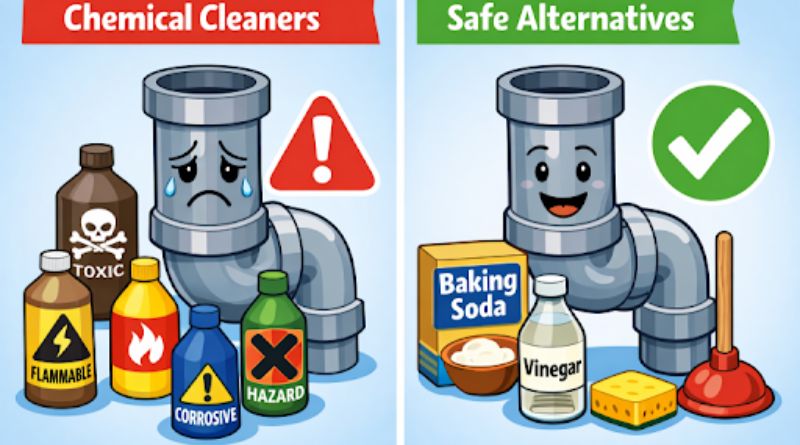
Popular over-the-counter drain cleaners typically contain caustic agents such as sodium hydroxide or sulfuric acid. While these chemicals may seem like a solution for tough clogs, they generate intense heat as they react with organic debris. This heat can eat away at the lining of pipes, particularly metal and older plumbing systems, weakening joints, causing leaks, or even leading to total pipe failure over time. The fumes are another serious concern, contaminating indoor air and irritating the respiratory tract, eyes, and skin. Children and pets in the home are especially vulnerable to accidental exposure.
Additionally, improper use or mixing of chemical cleaners can result in dangerous chemical reactions. Even after the clog is gone, any lingering residue may continue to corrode pipes or contaminate water that comes into contact with treated drains.
Natural Solutions for Unclogging Drains
Simple household ingredients can offer powerful and non-toxic alternatives for treating slow or minor drain clogs. Two of the most widely promoted solutions are baking soda combined with vinegar and baking soda paired with salt. To use these methods:
- Baking Soda and Vinegar: Pour half a cup of baking soda down the drain, then half a cup of vinegar. Let the mixture sit for about 15 minutes to allow the fizzing action to break apart obstructions, then rinse with hot water.
- Salt and Baking Soda: Mix equal parts salt and baking soda (about half a cup each), then pour the mixture down the clogged drain. Let it rest for at least an hour so the mixture can work on built-up grime, then flush thoroughly with hot water.
While these homemade remedies are eco-friendly and often provide quick relief for minor blockages, experts caution that repeated use, especially in older or metal pipes, could potentially accelerate corrosion over time. In particular, excessive vinegar and baking soda treatments may not be advised for certain plumbing systems. For homeowners dealing with frequent or severe blockages, these solutions are best used occasionally and in moderation.
Enzymatic Drain Cleaners
Another safe alternative to chemical drain cleaners is enzymatic drain cleaners. These products use natural enzymes and bacteria to break down organic debris, such as hair, grease, and food particles. Unlike caustic agents, enzymes do not introduce harmful substances into your plumbing system and present no known risk to human health. Results may take anywhere from several hours to overnight, but the process is gentle enough for regular use, making enzymatic cleaners ideal for ongoing drain maintenance. They’re especially well-suited for homes with older or delicate pipes.
Mechanical Methods
Sometimes, physical removal can be the most efficient and straightforward solution. Here are a couple of commonly used tools:
- Plungers: A plunger can create the necessary vacuum and pressure to dislodge lodged debris that is causing the clog. For best results, choose a plunger designed for the type of drain being treated, such as a flange plunger for toilets or a cup-style plunger for sinks and tubs.
- Drain Snakes (Augers): Mechanical drain snakes are flexible cables that can be threaded deep into pipes to physically break up or extract tough blockages. These devices are available in manual and powered models and can be invaluable for clearing hair, soap scum, and food waste from kitchen and bathroom drains.
Using mechanical methods avoids chemical exposure and often delivers immediate, tangible results. They are also cost-effective and reusable, which is appealing to eco-conscious homeowners.
Preventive Measures
The key to maintaining free-flowing drains is not just to react to clogs, but to implement a comprehensive prevention strategy. Consider the following best practices:
- Install mesh drain guards or strainers to catch hair and food scraps before they reach the pipes.
- Never pour fats, grease, or oil down sinks; allow them to cool and dispose of them in the garbage instead.
- Regularly flush drains with hot water, especially after heavy use, to help dissolve soap residue and prevent buildups.
- Dispose of coffee grounds, eggshells, and fibrous vegetables in the trash or compost, not the garbage disposal.
Adopting these habits can reduce the frequency and severity of clogs, saving both time and money in the long run.
When to Call a Professional
Occasionally, blockages remain stubborn despite your best efforts with home and mechanical methods. If drains continue to back up, clogs recur frequently, or you notice signs of more severe plumbing issues such as leaks, foul smells, or water damage, it is wise to consult a professional plumber. Licensed plumbing experts have the tools and training to diagnose and safely remedy deep or hidden issues, preventing them from escalating into more serious and expensive repairs.
Final Thoughts
While the convenience of store-bought drain cleaners is undeniable, their risks can outweigh their short-term benefits. Safer approaches include natural cleaning solutions, enzyme-based cleaners, and traditional tools like plungers and drain snakes. With regular home maintenance and mindful preventive measures, most clogs can be handled without harming your plumbing or introducing potentially hazardous substances into your living space. For persistent problems or for guidance on the best long-term solutions, do not hesitate to reach out to a trusted local plumbing professional.