Table of Contents
- Age of Your Roof
- Shingle Damage
- Granule Loss
- Moss and Algae Growth
- Interior Water Stains
- Sagging Roof Deck
- Daylight Through Roof Boards
- Rising Energy Bills
- Conclusion
Your roof serves as your first line of defense against rain, wind, and snow. When it starts to fail, the consequences can quickly escalate from minor annoyances to costly repairs or even dangerous living conditions. That’s why knowing how to spot the earliest signs of trouble is crucial for every homeowner. If your property needs a professional eye, contacting a trusted commercial roofer can help determine your roof’s condition and recommend the best course of action. Roof issues do not announce themselves with fanfare. Instead, they reveal themselves through subtle, or sometimes not-so-subtle, signals. Catching these early can help you take proactive steps to maintain your home’s safety and value. Regular roof inspections and prompt attention to warning signs can significantly extend your roof’s life. These preventive measures help you avoid emergency repairs and expensive property damage.
1. Age of Your Roof
The typical lifespan of an asphalt shingle roof is 15 to 30 years. Factors like climate, roof material, and maintenance history affect this. If your roof’s age is nearing the upper end of its life expectancy, consider scheduling a professional inspection. Older roofs are more susceptible to leaks, structural issues, and other forms of deterioration that aren’t always obvious at first glance.
In addition to standard aging, roofs subjected to harsher weather conditions typically experience accelerated wear and tear. Regions experiencing frequent hail, intense sun, or heavy rainfall will find roofs aging more quickly than those in more temperate climates. If you have recently moved into an older home and are unsure of your roof’s age or maintenance history, obtaining a roof inspection report is a smart precaution. This proactive approach helps you account for the roof’s current condition when planning future repairs or budgeting for replacements.
2. Shingle Damage
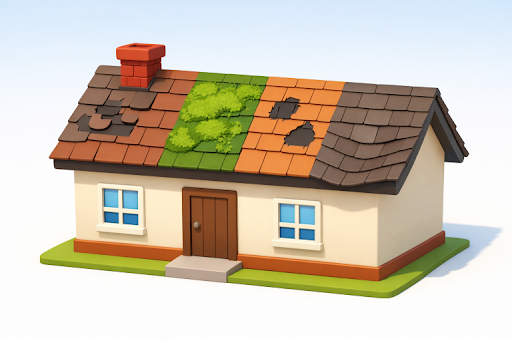
Shingles serve as the first, vital layer of protection for your home. If you notice curling, buckling, or missing shingles, your roof may be at risk of water infiltration. Shingle granules also help shield your roof from sun exposure and weather elements. Prompt repair or replacement can help avoid moisture seeping into your attic and walls, which can be far more costly in the long run.
Damaged or missing shingles are also an open invitation to wildlife, including insects, birds, and rodents, which can further compromise your roof’s integrity. When inspecting your roof from the ground, also keep an eye out for discolored or blistered patches, as these imperfections may not be as obvious as missing shingles but can signal trouble developing beneath the surface. When in doubt, consult a roofing professional to assess the severity of the problem and determine whether repairs are sufficient or a total replacement is warranted.
3. Granule Loss
One of the most frequently overlooked warning signs is granule shedding. Check your gutters for an unusual accumulation of gritty debris, the granules from your shingles. Without these, the shingles lose protection against UV rays and can dry out, crack, or warp. While some granule loss is normal as the roof ages, a sudden increase usually means your roof is at or near the end of its serviceable life.
Granule loss can make shingles brittle and easily breakable, which can further escalate into wider roof damage during storms and harsh weather. Besides gutter buildup, granule loss can also appear as bald patches on your shingles. Inspecting these areas closely ensures you don’t miss signs of early deterioration. Roofers can provide repair solutions, but chronic granule loss often calls for shingle replacement or even a full roof renovation.
4. Moss and Algae Growth
Moss and algae not only affect curb appeal but also cause real structural problems. Moss, in particular, retains moisture, which allows it to break down the roofing material gradually. This can encourage rot, compromise the roof’s integrity, and shorten its lifespan. Clearing moss and algae and improving roof ventilation will help minimize their growth. To prevent moss and algae from recurring, it’s important to keep tree branches trimmed away from the roof, which minimizes shade and allows for faster drying after rain. Specialized roof-cleaning treatments are available to inhibit future growth and help preserve your roof’s appearance and durability. Homeowners living in humid or coastal areas should be especially vigilant, as these climates promote faster biological growth on roofing surfaces.
5. Interior Water Stains
Brown or yellow stains on ceilings and walls often signal a leaky roof. Water finds the path of least resistance, often reaching visible parts of your home only after significant damage has occurred. Ignoring such stains can eventually lead to mold growth and rot that threaten both your health and your home’s structure. Catching and addressing leaks as soon as they appear is essential. Sometimes, leaks may originate far from the actual water stains inside your home. Water can travel along beams and joists, showing damage in unexpected places. Regularly checking your attic during and after heavy rainstorms can help you locate damp spots before stains appear indoors. If moisture or staining is detected, promptly investigate and repair the source to minimize further spread.
6. Sagging Roof Deck
If the plane of your roof appears uneven or dips in certain areas, this could indicate water damage or weakened support beams. Sagging is a severe structural issue that demands immediate professional assessment. Weight from snow, rain, or longstanding leaks can cause the decking material to warp and deteriorate. Acting quickly can help you restore your roof before the problem becomes catastrophic.
Heavy roofing materials or improperly designed roof trusses can also contribute to sagging, especially on older properties. Early intervention is key to preventing collapse or serious structural damage. If you notice any bowing or waviness, avoid walking on the roof and contact a reliable contractor immediately for a comprehensive inspection and repairs.
7. Daylight Through Roof Boards
Entering your attic during daylight hours gives you a chance to see if any external light is penetrating the roof boards. Visible beams of light indicate holes or significant gaps that can allow moisture and pests to enter your home. Even small leaks can quickly turn into bigger issues if left unattended, compromising insulation and energy efficiency. Aside from holes, also check for drafts or temperature changes in the attic, as they may indicate air leaks that can impact your home’s overall comfort and utility costs. Carefully examine the insulation as well, since compromised roofing can affect both the condition and effectiveness of existing insulation. Swift patching or repairs following light detection can head off future headaches and higher repair costs.
8. Rising Energy Bills
Unexplained increases in your energy bills may indicate inadequate insulation or ventilation in your attic. As your roof deteriorates, it may allow more heat to enter during the summer and escape during the winter, forcing your HVAC system to work harder. Investing in a sound roof improves your home’s energy efficiency and can significantly lower overall utility costs.
Installing proper attic insulation, sealing air leaks, and maintaining a healthy roof are all ways to ensure your home remains energy-efficient. Professional roofers can use infrared cameras to identify hidden problem areas that aren’t always visible to the naked eye. Not only can these upgrades save you money month after month, but they’ll also contribute to a more comfortable and sustainable living environment. Understanding and addressing these warning signs promptly helps you protect your home, save money, and maintain safety. Scheduling annual roof inspections and keeping an eye out for the signs listed above ensures you stay ahead of costly repairs and extend the life of your most important investment.
Conclusion
In conclusion, recognizing early warning signs of roof damage is essential for protecting your home from costly repairs and structural issues. From aging materials and shingle damage to interior water stains and rising energy bills, each indicator signals potential problems that should not be ignored. Regular inspections and timely professional intervention can significantly extend your roof’s lifespan, improve energy efficiency, and maintain your home’s safety and value.