Choosing new windows is not just about filling an opening in the wall. It is about comfort, durability, style, security, energy performance, and the way your home feels every time you walk into a room. Aluminum windows have become a popular choice because they offer a clean, modern look with strong structural performance. That is why many homeowners compare material strength, frame design, and long-term value when looking at custom-designed doors and windows, especially when they want an upgrade that feels polished without being overly delicate. Still, aluminum is not the perfect answer for every home, so it is worth looking at the benefits and trade-offs before making a decision.
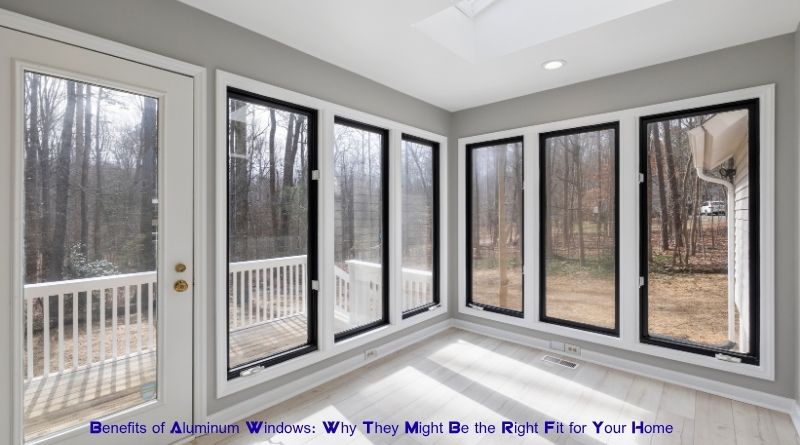
One of the biggest reasons people consider aluminum windows is their slim, elegant appearance. Because aluminum is naturally strong, the frames can often be made narrower than those of some other materials while still supporting larger panes of glass. That can create a brighter, more open feeling indoors. If your goal is to bring in more natural light, improve the view, or give an older home a sharper look, aluminum can be a very appealing option.
That visual appeal also works across different home styles. Aluminum windows can feel sleek and contemporary, but they can also blend into more traditional spaces when the right color, finish, and grille pattern are chosen. The result is a window that does not demand attention in the wrong way. Instead, it frames the view, sharpens the exterior, and gives the home a more finished appearance.
Built to handle daily life without constant fuss
Aluminum windows are known for strength, and that strength is a genuine advantage. They resist warping, swelling, and cracking better than some materials, which can matter a lot in homes exposed to changing temperatures, strong sunlight, heavy rain, or frequent moisture. A sturdy frame helps the window keep its shape over time, which supports smooth operation and a tighter fit.
Another practical benefit is low maintenance. Aluminum does not need to be painted every few years to stay useful, and it is not vulnerable to the same rot concerns as wood. In most cases, keeping the frames clean and checking the seals, tracks, and hardware from time to time is enough to keep them looking good and working properly. That makes aluminum a strong choice for homeowners who want a durable upgrade without creating another high-maintenance project.
That said, low maintenance does mean no maintenance. Aluminum can corrode if protective finishes are damaged or neglected, especially in harsher outdoor conditions. Quality coatings, proper installation, and basic cleaning all make a difference. If you choose aluminum, it is worth asking about finish quality, drainage design, and care recommendations before you buy.
Comfort matters more than people think
A window can look great from the curb and still disappoint if it makes the home feel too hot, too cold, or too noisy. This is where aluminum windows deserve a fair discussion. Traditional aluminum is a good conductor, which means it can transfer heat more easily than some other frame materials. In simple terms, older or lower-quality aluminum windows may not offer the best insulation on their own.
Modern aluminum windows often address this with improved frame designs, better glass packages, and thermal breaks. A thermal break is a barrier within the frame that helps reduce heat transfer. When paired with efficient glass, quality spacers, and proper sealing, aluminum windows can perform much better than many people expect. The key is not simply choosing aluminum. The key is choosing the right aluminum window system.
The smartest approach for homeowners is to focus on measurable details rather than broad claims. While researching window choices, you might find resources like www.ecoviewwindowsri.com useful for comparing how different providers explain performance and materials. However, it is essential to look beyond the surface and pay close attention to frame construction, glass options, ratings, installation standards, and warranty terms. Careful product comparison is vital because a window’s beauty must be matched by its functional performance once installed.
The style advantage of slimmer frames
One of aluminum’s most noticeable advantages is the ability to support a refined design. Slimmer frames can make windows look less bulky and more architectural. This is especially helpful when the goal is to create a brighter room, make a smaller space feel more open, or update the exterior without adding visual clutter.
The material also works well with a range of finishes. Dark frames can create a bold, modern contrast, while lighter finishes can feel softer and more understated. The right choice depends on the rest of the home, the roofline, the exterior color palette, and the interior style. Aluminum gives homeowners flexibility without forcing the window to become the loudest design feature.
There is also a practical side to the style benefit. More glass can mean more light, and more light can change how a room feels throughout the day. Kitchens, living rooms, offices, and bedrooms can all feel more inviting when the window design allows daylight to do its job.
Aluminum versus other window materials
Aluminum is not the only strong option, and it should not be presented as if it is always the best choice. Vinyl can be more budget-friendly and often performs well in terms of insulation. Wood offers a warm, classic appearance but usually requires more care. Fiberglass can be durable and energy efficient, though it may come at a higher price point.
Aluminum tends to stand out when homeowners want strength, clean lines, durability, and a modern frame profile. It may be especially appealing for larger windows or designs where a slimmer frame matters. On the other hand, homeowners focused mainly on maximum insulation at the lowest possible cost may find another material more suitable.
The best choice comes down to priorities. If appearance, frame strength, durability, and long-term stability are high on the list, aluminum deserves serious consideration. If upfront cost or thermal performance is the top concern, it is worth comparing aluminum against other options before making a final decision.
A smart choice when the details are right
Aluminum windows can be a strong investment when chosen carefully. They offer durability, an attractive design, and a low-maintenance frame that can hold up well over time. They can also help create a cleaner, brighter, more modern look inside and outside the home.
The balanced view is simple: aluminum windows have real advantages, but quality matters. A poorly made or poorly installed aluminum window may not deliver the comfort, efficiency, or longevity homeowners expect. A well-built aluminum window with the right glass, finish, hardware, and installation can be a stylish and reliable upgrade.
Before choosing, compare materials, ask clear questions, and think about how the windows need to perform every day. The right window should not only look good on installation day. It should keep adding comfort, beauty, and value for years to come.