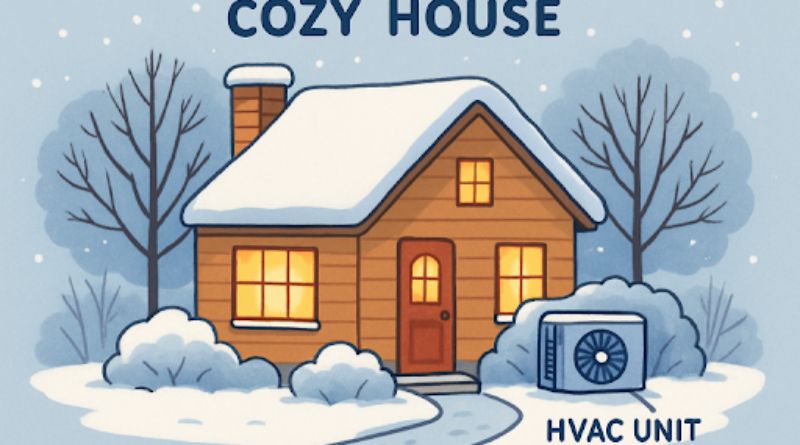
Winter can put significant strain on your home’s HVAC system, especially when temperatures drop unexpectedly. Taking steps to prepare your HVAC before cold weather sets in not only helps maintain a warm and comfortable environment but also saves on energy costs and prevents emergency breakdowns. If you need quick solutions during the colder months, finding emergency HVAC service near me can be vital for ensuring a safe and healthy home.
Proper winter preparation for your heating and air system reduces the risk of costly repairs while extending system life and efficiency. Performing basic maintenance and addressing insulation or air leaks keeps your system running smoothly. For those facing extreme cold fronts or unexpected outages, knowing where to find help early is essential.
This comprehensive guide outlines the critical maintenance steps you should take before and during winter to keep your home’s HVAC performing optimally all season long. By following these suggestions, you can enjoy reliable warmth and lower energy bills while safeguarding your household against the harshest conditions.
1. Replace Air Filters Regularly
A clean air filter makes a significant difference in both system performance and indoor air quality. When filters become clogged with dust, pet hair, and allergens, your HVAC must work harder to circulate air. Experts recommend replacing filters every one to three months. Homes with pets, smokers, or allergy sufferers may need monthly replacements. This simple step reduces strain on your system and eliminates circulating contaminants, helping to keep your home healthier and more energy efficient.
2. Schedule a Professional HVAC Inspection
Scheduling a professional tune-up before the heating season begins is one of the most effective ways to prevent complications. Certified technicians will check for worn parts, inspect electrical systems, lubricate moving components, ensure proper refrigerant levels, clean essential elements, and calibrate thermostats. Most heating failures are caused by issues that could have been caught early through regular inspections, reducing the risk of complete system breakdowns during the coldest days.
3. Seal Air Leaks and Insulate Your Home
Gaps around doors, windows, and attic spaces let warm air escape, forcing your system to work overtime and raising energy expenses. Applying caulk and weatherstripping around these trouble spots can make your home more comfortable and energy efficient. The U.S. Department of Energy highlights that properly sealing and insulating your ducts can drastically reduce energy loss, especially in unconditioned areas like attics or crawlspaces.
4. Test Carbon Monoxide Detectors
All fuel-burning heating systems carry the risk of carbon monoxide leaks, which are dangerous and difficult to detect. Test all detectors monthly, and replace batteries regularly. Place detectors near bedrooms and each floor for maximum safety. Functioning alarms provide early warnings, protecting your family from potential hazards that might otherwise go unnoticed.
5. Upgrade to a Programmable Thermostat
Programmable thermostats help keep homes warm when needed, but save energy when the house is empty or at night. As reported by the EPA, these thermostats can reduce annual heating costs by 10 to 30 percent if properly set. Upgrading to a smart thermostat further increases this efficiency, as these models learn usage patterns and make automatic adjustments based on occupancy and outside temperatures.
6. Clean and Inspect Chimneys and Vents
Fireplaces and vents need annual attention before use. Debris, soot buildup, nests, or blockages can impede ventilation, increase fire hazard, and reduce efficiency. Chimney cleaning should be done by professionals, while vents and furnace intake/exhaust can generally be cleared at home. Safe operation of these heating components is essential for trouble-free winter living.
7. Ensure Proper Insulation
Heat escapes most rapidly through poorly insulated attics, walls, and crawlspaces. Upgrading insulation or even topping off existing layers helps to slow heat transfer, retaining indoor warmth throughout the coldest nights. Sealing gaps around pipes, wiring, attic hatches, and recessed lighting helps, too. Improved insulation directly supports your HVAC’s ability to maintain set temperatures with less effort.
8. Prepare for Emergencies
Winter storms can knock out power or make roads impassable, delaying repairs even for urgent issues. Keep backup heating options available, such as electric blankets or portable heaters, and maintain a supply of batteries, flashlights, and blankets. Know the contact details of reliable HVAC services and keep them easily accessible before an emergency arises. Additionally, using a plug-in temperature controller can safely regulate space heaters when primary HVAC systems are down.
Proactive maintenance and careful preparation keep your home safe, comfortable, and energy efficient throughout the winter. A few hours spent getting ready can mean the difference between a pleasant season and a stressful, expensive one.