Maintaining healthy trees is key to sustaining a vibrant and thriving landscape. By applying the right care strategies, trees can improve the beauty, ecological value, and overall investment in your property. Guidance from professionals like Design Tree Maintenance Inc can make the difference in ensuring your trees stay healthy for years to come. Regular, informed care not only promotes tree longevity but also enhances curb appeal and delivers environmental benefits such as cleaner air and increased shade.
Caring for your trees involves mindful inspection, proper maintenance techniques, and an understanding of environmental influences. This ensures that trees adapt well to changing conditions and continue to contribute positively to your landscape. Following proven care tips helps prevent common issues, reduces the necessity for major interventions, and supports the overall health of your entire ecosystem.
Regular Inspections
Routine tree inspections are essential for detecting early signs of health issues, including pest infestations, diseases, and structural weaknesses. Walk around your property to check for indicators like discolored or wilting leaves, dead wood, cracks in the trunk, or abnormal growths. Early detection can save significant time and expense by addressing problems before they escalate. Inspections are especially important following storms or periods of extreme weather when trees may experience stress or hidden damage.
Pruning Techniques
Pruning supports tree health by removing diseased, damaged, or dead branches, allowing the tree to redirect energy to healthy growth. Always use clean, sharp tools and make cuts at a slight angle just outside the branch collar. Limit pruning to no more than one quarter of the tree’s foliage at a time, which helps minimize tree stress. The right pruning schedule depends on the tree species; some trees benefit from late winter or early spring pruning, while others fare better with summer shaping. Improper cutting can expose trees to pathogens or weaken their structure, so take care to avoid over-pruning.
Proper Mulching
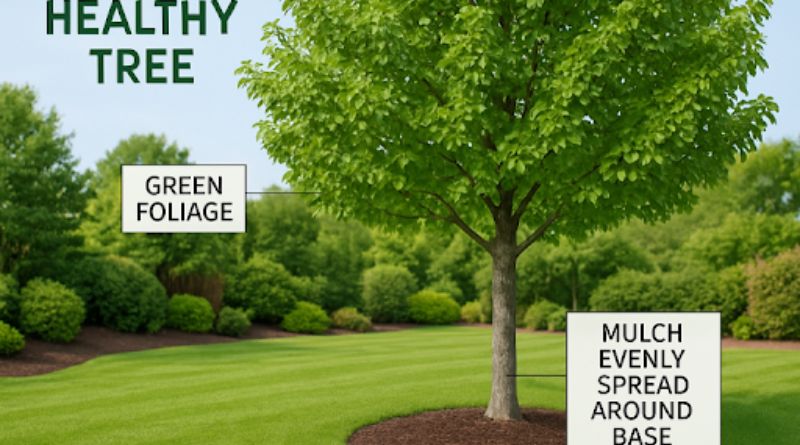
Mulching is a simple yet powerful way to maintain soil moisture and regulate root temperature. Spread an even layer of organic mulch, such as wood chips or shredded bark, two to four inches deep around the base of the tree, extending to the canopy edge but keeping the mulch a few inches away from the trunk. “Mulch volcanoes” can suffocate roots and foster trunk rot, so avoid piling mulch against the tree’s base. Mulching also discourages weed growth and gradually contributes organic matter back to the soil as it breaks down.
Watering Practices
Trees require different watering approaches depending on their age, species, and the local climate. Deep, infrequent watering encourages roots to grow downward, increasing drought resistance. Newly planted trees generally need a thorough soak once or twice a week through their first two years, adjusting to rainfall and temperature patterns. Mature trees may only require supplemental watering during extended dry periods. Overwatering can be detrimental, leading to root rot or fungal infections, so always check soil moisture by feel or with a soil moisture meter before irrigating.
Pest Management
Pest problems can escalate quickly if left unchecked. Evidence of chewing insects, holes in leaves or bark, sticky residue, or premature leaf drop warrants attention. Integrated Pest Management (IPM) is recommended for effective and environmentally friendly pest control. This approach combines monitoring, encouraging beneficial predators, and using natural or organic treatments when necessary. Consulting university extension services or reputable sources, such as the Environmental Protection Agency’s IPM resources, can help you create an effective pest management plan that protects both your trees and beneficial wildlife.
Protecting from Environmental Stress
Extreme heat, cold, wind, or drought, as well as human activities (such as construction and lawn compaction), can threaten tree health. Minimize damage by using protective barriers where equipment or construction activity could impact roots or trunks. Aerate compacted soil to allow for better root growth and water absorption. Consider planting windbreaks or shade trees to buffer against harsh weather. Regularly assessing the environment and taking preventive action helps your trees establish resilience and adapt to changing conditions.
Soil Health
Rich, well-balanced soil is fundamental to healthy tree growth. Testing your soil for nutrient deficiencies and pH imbalances lets you apply targeted amendments with compost, organic fertilizers, or soil conditioners. Healthy soil harbors beneficial microbes and organisms that contribute to nutrient cycling and disease resistance.
Professional Assistance
Certified arborists possess the training to diagnose complex tree health issues and provide expert treatment recommendations. Consider scheduling routine professional assessments to catch problems an untrained eye might miss and to gain tailored advice for your landscape. Arborists can also safely handle large-scale pruning or tree removals, reducing risk to both people and property. Investing in professional services ensures long-term value and beauty for your property.
By applying these tree care tips, you’ll enjoy a lush, resilient landscape that benefits your home, neighborhood, and the environment. With regular attention and proactive maintenance, healthy trees will continue to enhance your property for generations to come.