aa. Modern approaches emphasize resource efficiency, low-carbon materials, and advanced smart systems for energy management. In Idaho and beyond, there is increasing demand for sustainable development, particularly in sectors such as assisted living construction projects in Idaho, where the integration of sustainable design is elevating both operational standards and resident quality of life.
The urgency to adopt eco-friendly building strategies is driven by global concerns about climate change and resource scarcity. Sustainable construction methods address these by efficiently using materials, designing for energy performance, and collaborating across disciplines. As the industry embraces these changes, forward-thinking projects are paving the way for resilient and responsible developments.
Introduction to Sustainable Design
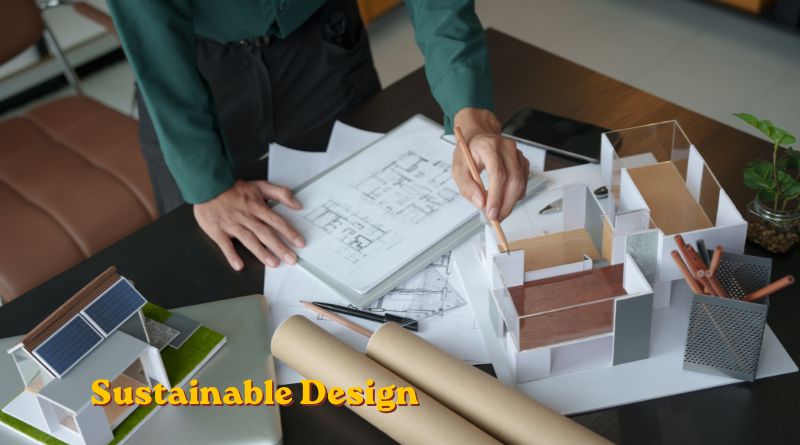
Sustainable design principles prioritize environmental stewardship through all stages of construction, from project conception to demolition. At its core, sustainable design involves thoughtful site selection, efficient use of resources, and the integration of renewable energy when possible. The goal is to minimize waste, lower greenhouse gas emissions, and create healthier indoor environments for occupants.
Developers and designers are increasingly recognizing the long-term operational benefits of green buildings. Market research from authoritative sources like the U.S. Green Building Council demonstrates that structures designed with sustainability in mind tend to have lower operating costs and higher asset values.
Innovative Materials and Technologies
Material innovation is at the forefront of sustainable construction. Builders are substituting traditional high-emission materials with alternatives such as low-carbon concrete, which significantly reduces embodied carbon, and cross-laminated timber, which captures and stores carbon dioxide during its growth phase. Recycled steel is another increasingly popular choice, providing structural strength without the environmental penalty of virgin material extraction.
The integration of smart building systems further enhances sustainability and occupant comfort. Intelligent sensors can monitor air quality, optimize heating and cooling, and adjust lighting based on natural daylight availability. These technologies create adaptive structures that ensure minimal resource use and maximum efficiency.
Energy Efficiency and Smart Systems
Maximizing energy efficiency is a fundamental aspect of sustainable design. Smart thermostats, energy-efficient HVAC systems, and LED lighting can drastically reduce operational costs and energy consumption. Passive solar design and enhanced building envelopes also contribute to a high-performance, low-energy environment, making use of insulation, triple-glazed windows, and thoughtful orientation to maintain indoor comfort year-round.
Buildings equipped with renewable energy sources such as solar panels or geothermal heat pumps can achieve near-zero or even net-positive energy performance. The United Nations Environment Programme highlights these as some of the most effective strategies for reducing greenhouse gas emissions in the construction sector.
Adaptive Reuse and Modular Construction
Adaptive reuse, the practice of repurposing existing buildings, helps conserve resources and reduce construction waste. By breathing new life into old structures, developers can maintain historic and cultural value while advancing sustainability goals. This approach is particularly important in urban areas where demolition waste and land use pressure are significant concerns.
Modular construction, often referred to as Modern Methods of Construction (MMC), involves prefabricating building components in controlled factory environments. These components are then transported and assembled on site, streamlining project timelines and minimizing on-site waste. Modular techniques are being adopted globally to deliver high-quality, sustainable buildings more efficiently.
Policy and Collaboration
The advancement of sustainable design in construction relies on robust policies and cross-sector collaboration. Government incentives, such as tax credits for green building certifications and renewable energy installations, support industry-wide adoption of sustainable practices. Collaborations between architects, engineers, policymakers, and community stakeholders result in more resilient and inclusive built environments.
Cities such as Portland and Seattle have demonstrated how local building codes and public-private partnerships can lead to significant sustainable construction breakthroughs, serving as valuable models for others looking to implement green practices at scale.
Challenges and Future Directions
Sustainable construction methods often face challenges such as higher upfront costs, lack of awareness, and resistance to changing longstanding industry traditions. However, the long-term operational savings and increasing consumer demand for environmentally responsible structures are fueling ongoing investment in new technologies and methods.
Future directions in sustainable design include the widespread use of advanced materials like carbon-sequestering concrete, improved life-cycle assessments, and further integration of digital technologies for building management. As research and development accelerate, costs are expected to decrease, making these solutions more accessible to a broader range of projects worldwide.
Conclusion
The adoption of sustainable design is guiding the future of construction. By championing innovative materials, energy-efficient systems, and collaborative approaches, the industry is well-positioned to create lasting, resilient structures that address both environmental and economic challenges.