Maintaining a sturdy, leak-free roof is key to safeguarding your home’s structure and your family’s comfort. Damage to your roof often leads to costly repairs or even significant restoration projects, so understanding the sources of roof problems is the first step to proactive care. By identifying common causes and learning how to prevent them, homeowners can make informed decisions and act quickly, whether that means calling a trusted handyman for roof repair or implementing seasonal maintenance routines. By prioritizing your roof’s health, you can extend its lifespan and gain much-needed peace of mind.
It’s important to recognize that a roof is exposed to a variety of hazards, from severe weather to everyday wear and tear. Issues often go unnoticed until a small problem grows into a much larger one, so scheduling regular roof inspections is vital. Addressing vulnerabilities early prevents minor issues, such as missing shingles or small leaks, from escalating into water damage, mold growth, or structural harm. Focusing on the main contributors to roof decay can help you stay ahead of the curve and ensure your roof remains both attractive and functional.
The risks to your roof are not all visible, and even minor oversights can have long-term effects. A well-maintained roof keeps your home dry, improves energy efficiency, and helps prevent indoor air quality issues.
Weather-Related Damage
Severe weather poses a significant threat to roofs, regardless of the material or design. Heavy rain can expose weaknesses or poorly sealed areas, leading to leaks inside your home. Strong winds may lift or loosen shingles, leaving underlayment and decking vulnerable to moisture. Hail is notorious for bruising asphalt shingles and damaging flashing, creating points of entry for water. Snow, while insulating in some climates, can also contribute to ice dams that trap water on your roof. One of the most effective strategies is to choose materials rated for your area’s specific weather patterns and to arrange professional inspections after major storms. If you live in a region with intense seasonal changes, these inspections are especially critical.
Poor Installation
Poor workmanship during roof installation is a leading cause of early roof failure. Problems can include loose shingles, improperly sealed joints, or flashing that is not securely attached. These oversights compromise the strength and water resistance of your roof, leading to leaks or rapid material deterioration. Ensuring your contractor has solid reviews, credentials, and experience with the specific type of material you have can help guarantee a quality installation that stands up to both time and the elements. According to Consumer Reports, hiring knowledgeable contractors and insisting on quality materials is essential for lasting value.
Lack of Maintenance
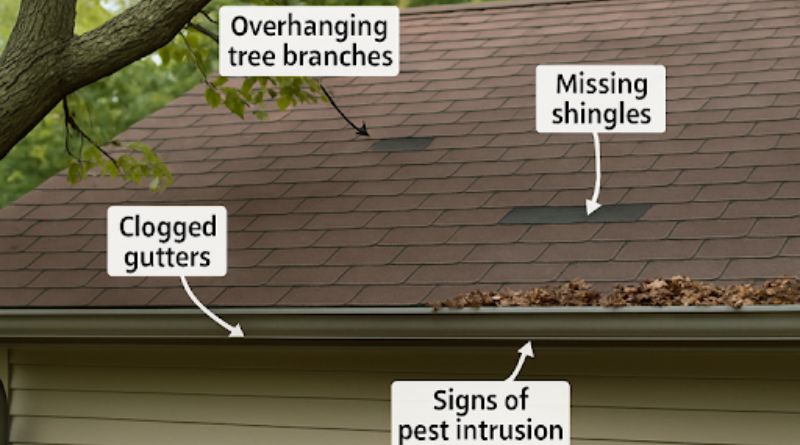
Skipping regular maintenance routines allows small defects to develop into larger, more costly problems. Failure to remove leaves or branches from gutters often results in clogs that cause water to back up onto your roof, sometimes even seeping under shingles or flashing. Periodic checks each spring and fall, as well as after significant storms, can help catch loose shingles, damaged flashing, or algae growth early. Maintaining a regular schedule and working with reliable professionals assures your roof will be examined and maintained by experienced eyes.
Age and Wear
Even the best-installed and maintained roofs will eventually show signs of aging. Materials become brittle, granules wear away, and previous repairs may deteriorate. For example, asphalt shingles typically last 15 to 30 years, while metal, tile, or slate can last for half a century or longer. However, none are immune to the effects of old age or the toll of weather exposure. Frequent checks, especially as your roof nears its estimated end of life, allow you to proactively schedule replacements before emergencies arise.
Tree and Debris Damage
Branches scraping the roof in even mild breezes can loosen or puncture shingles, resulting in water intrusion and prolonged moisture problems. Fallen limbs during windstorms can create major structural issues, including penetrations and the collapse of sections. Homeowners should routinely trim back trees and regularly inspect their roofs for debris, particularly after windy or stormy weather. Clearing branches and leaves is a simple step that can prevent costly repairs in the future.
Animal and Pest Intrusion
Nature and wildlife often find your roof a desirable place to nest or seek shelter. Birds, rodents, raccoons, and even insects may create entry points by burrowing or chewing through roofing materials. This can result in leaks and extensive internal damage if left unaddressed. Regular exterior checks for animal tracks, nests, or droppings can help detect them early. If persistent signs of animal activity are present, contacting a professional pest control service is the safest solution. Timely sealing of holes or gaps helps protect your roof’s integrity.
Improper Ventilation
Ventilation is often overlooked, yet it’s a key component of roof health. Inadequate airflow in your attic increases heat and moisture, encouraging the growth of mold and weakening wood supports. In winter, trapped moisture can freeze and expand, opening gaps and damaging shingles. Properly installed vents allow cool, dry air to circulate, balancing attic temperatures and reducing the risk of condensation. Consulting a professional about best practices for your home and climate can prevent avoidable damage.
Conclusion
Identifying and addressing the common causes of roof damage is the best way to ensure your roof remains strong for years to come. Consistent care, high-quality workmanship, and preventive attention to weather, pests, and ventilation all contribute to a longer, trouble-free roof lifespan. Investing a little time and seeking expert advice when needed can save significant costs and disruptions in the long run, keeping your home safe, dry, and comfortable.