Introduction to Tree Removal
Trees play a crucial role in our environment, contributing to cleaner air, supporting wildlife, and enhancing landscapes. However, situations occasionally arise in which removing a tree is necessary—whether for safety, health, or design purposes. Approaching this task with responsibility and consideration for the environment is vital for communities aiming to maintain eco-friendly green spaces. When seeking professional tree removal in St. Charles, it’s important to select providers that prioritize safe, sustainable practices.
Safe tree removal prevents property damage and reduces the risk of injury. At the same time, embracing sustainable methods ensures we minimize our impact on local ecosystems. Working with skilled arborists, homeowners can benefit from expert guidance, helping to achieve both safety and environmental goals during any tree removal project.
Assessing the Need for Tree Removal
Before removing a tree, it’s essential to assess its condition thoroughly. Not every unhealthy or inconvenient tree needs to be eliminated—sometimes, targeted treatments or pruning can restore a tree to health. A certified arborist can offer guidance by conducting inspections to identify issues such as disease, pest infestations, structural instability, or root system interference with utilities.
Removing a tree without a clear reason can disrupt local habitats and contribute to biodiversity loss, so carefully weighing the necessity of removal helps maintain ecological balance. When trees threaten structures, overhead lines, or pose risks to the public, however, removal is often justified and may even be mandated by local codes.
Eco-Friendly Tree Removal Techniques
Adopting sustainable methods during tree removal is fundamental to reducing the project’s environmental footprint. Techniques such as selective tree cutting—removing only the trees necessary while preserving surrounding growth—are especially effective in protecting natural habitats. Utilizing electric chainsaws or equipment powered by biodegradable lubricants also reduces pollution and environmental degradation.
In some instances, cranes and rigging methods facilitate the removal of large trees without causing unnecessary disturbance to nearby plants and soils. According to the U.S. Environmental Protection Agency, maintaining soil structure and limiting compaction are crucial to supporting healthy ecosystems even after tree removal.
Recycling and Reusing Tree Materials
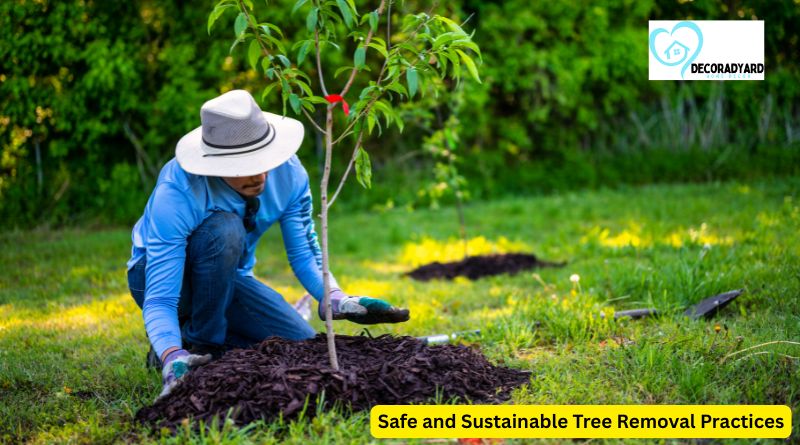
Whenever possible, materials generated by tree removal should be recycled or repurposed rather than sent to a landfill. Wood from removed trees can be converted into mulch, providing moisture retention and weed suppression for gardens or landscaping projects. Larger logs may be milled for lumber or crafted into furniture, benches, or decorative items—giving new life to formerly standing trees.
Many communities offer municipal wood recycling programs or have local craftsmen specializing in upcycling urban wood waste. By recycling tree materials, you not only reduce environmental impact but also contribute to the circular economy. This approach is widely endorsed by experts and highlighted by resources such as Trees Are Good, which offers further insights into making tree-care decisions that support sustainability.
Safety Measures in Tree Removal
Safety must remain a top priority in every tree removal operation. The process involves significant hazards, including falling branches, chainsaw injuries, and the risk of trees falling unpredictably. Proper planning, use of well-maintained equipment, and adherence to industry safety standards mitigate these dangers. Tools such as harnesses, helmets, and protective gear are non-negotiable requirements for everyone on site.
Engaging a team trained in safety procedures ensures a seamless removal process, minimizes property damage, and protects workers and bystanders. Regular safety briefings and site inspections are effective strategies to maintain a secure work environment from start to finish.
Legal Considerations and Permits
Removing a tree is not simply a matter of personal choice in many municipalities. Homeowners and property managers often need to navigate local regulations, which may require permits, neighbor notifications, or explicit approval for the removal of significant or protected trees. Failing to follow these legal steps can result in fines or delays.
Before any work begins, check with local authorities to understand the guidelines that apply in your area. These regulations are in place to support urban tree cover, preserve historical trees, and protect critical wildlife habitats. Compliance not only avoids legal trouble but also promotes community stewardship and responsible land management.
Hiring Professional Arborists
Partnering with certified arborists assures homeowners that tree removal will be performed safely, lawfully, and sustainably. Professional arborists possess specialized training and are equipped with tools and knowledge to assess, plan, and execute removals in accordance with best practices and environmental standards.
When selecting a company or individual, verify credentials like International Society of Arboriculture (ISA) certification, insurance, and references. This diligence guarantees the highest standards of care and expertise, safeguarding both your property and the surrounding ecosystem.
Conclusion
Safe and sustainable tree removal is a multi-faceted responsibility that benefits your property, your community, and the environment. By assessing the true need for removal, employing eco-friendly techniques, recycling materials, and relying on professional arborists, you contribute to healthier ecosystems and safer neighborhoods. Whenever you face the need for tree removal, making informed, conscious decisions is the best way forward for everyone.