Understanding the Architectural Beauty
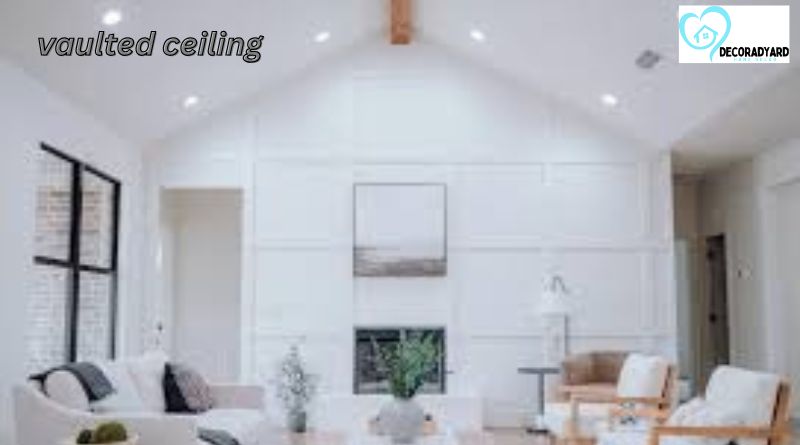
A vaulted ceiling instantly captures attention by drawing the eye upward and creating a dramatic sense of height and openness. Unlike conventional flat ceilings, this architectural feature slopes upward, often following the roofline, to form a peak or arch above the living space. The result is a room that feels larger, brighter, and more inviting. Natural light tends to travel more freely in such spaces, especially when paired with large windows or skylights, enhancing both the aesthetic and emotional atmosphere of a home. Whether in a cozy countryside cottage or a sleek contemporary residence, this design element introduces character and architectural depth that standard ceilings simply cannot match.
A vaulted ceiling can transform an ordinary room into a striking focal point. In living rooms, it amplifies grandeur and elegance, making gatherings feel more open and connected. In bedrooms, it fosters an airy and tranquil environment that promotes relaxation. Even in kitchens and dining areas, the additional vertical space can make everyday routines feel less confined. By emphasizing vertical dimensions, homeowners gain the illusion of expanded square footage without actually increasing the home’s footprint.
Design Variations and Structural Considerations
Types of Vaulted Designs
Not all vaulted ceilings are created equal. Some feature gentle slopes that rise symmetrically from both walls, while others adopt more dramatic cathedral-style angles. Barrel vaults curve smoothly like a tunnel, creating a soft and continuous flow overhead. Exposed beam designs, on the other hand, highlight wooden or steel supports, adding rustic charm or industrial appeal depending on the materials used. Each style influences the overall mood of a space, allowing homeowners to tailor the look to match their personal taste.
Unlike flat ceilings, a vaulted ceiling requires careful structural planning. Because the ceiling often mirrors the roofline, builders must consider insulation, ventilation, and load-bearing elements early in the design phase. Proper insulation is especially important to maintain energy efficiency, as warm air naturally rises and can accumulate in higher spaces. With thoughtful engineering, however, the aesthetic benefits far outweigh the technical challenges.
Lighting and Décor Enhancements
Lighting plays a crucial role in maximizing the impact of elevated ceilings. Pendant lights, chandeliers, and statement fixtures become more prominent when suspended from greater heights. Recessed lighting can also highlight architectural lines and textures. Additionally, tall curtains, vertical paneling, or bold accent walls can emphasize the height and drama of the space.
When planning a vaulted ceiling, homeowners should also consider acoustics. The increased height can sometimes cause echoes, particularly in rooms with hardwood floors or minimal furnishings. Soft textiles, area rugs, and upholstered furniture help absorb sound and maintain a comfortable auditory environment. These subtle adjustments ensure that the beauty of the design does not compromise everyday comfort.
Benefits and Practical Value
One of the most compelling advantages of this ceiling style is its ability to enhance property value. Homes featuring architectural details that create openness and natural light often attract more interest in the real estate market. Buyers frequently perceive such spaces as luxurious and thoughtfully designed. Beyond financial considerations, there is also a psychological benefit. Rooms with higher ceilings are often associated with freedom, creativity, and relaxation, making them ideal for both social interaction and personal reflection.
Energy efficiency can be optimized with ceiling fans that circulate air downward during colder months and upward during warmer seasons. This helps regulate indoor temperatures despite the added height. With the right balance of insulation and ventilation, homeowners can enjoy both comfort and style.
Ultimately, a vaulted ceiling adds a distinctive personality to any home. It blends architectural sophistication with practical function, elevating everyday living experiences. By combining thoughtful design, proper construction, and intentional décor choices, homeowners can create spaces that feel expansive, luminous, and timeless. Whether incorporated into a renovation or included in a new build, this feature remains a powerful way to redefine interior space while maintaining warmth and livability.