The National Fire Protection Association (NFPA) reports that electrical failures or malfunctions accounted for 13 percent of all residential fires between 2015 and 2019. This resulted in hundreds of deaths and billions in property damage each year. What makes this especially troubling is that most of these incidents were preventable.
Electrical systems fail quietly, hidden behind walls and panels, and by the time warning signs appear, serious damage may already be underway. Visual checks aren’t always effective. The only way to guarantee your home’s electrical system is safe is through professional inspection.
How often should a homeowner schedule a comprehensive electrical safety inspection?
Most homes should schedule a full electrical safety inspection every three to five years. Older homes built more than 25 years ago should be inspected more often, especially if they still have original wiring or panels. Whenever you buy a house, undertake remodeling, install major appliances, or notice recurring electrical issues, you should schedule an inspection immediately.
Electrical systems age just like roofs and plumbing. Insulation dries out, connections loosen, and loads increase as modern households rely on more electronics. Regular inspections are a key part of smart home fire prevention, helping catch problems early before they turn into dangerous failures or costly repairs.
What specific components are checked during a standard residential electrical inspection?
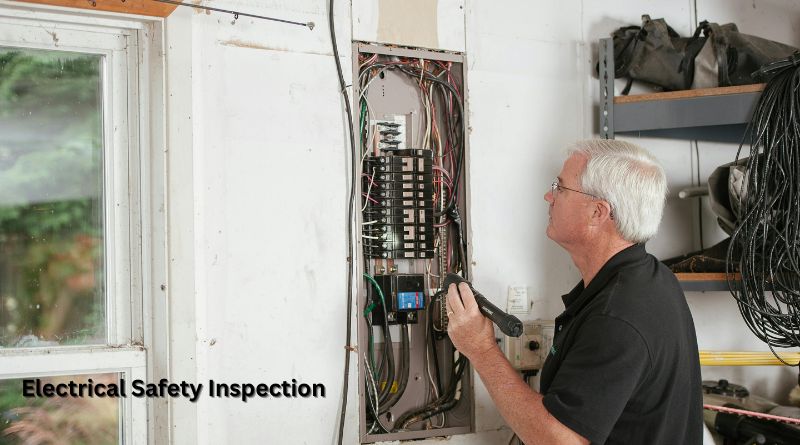
According to the licensed electricians at Winward Electrical Services, a proper inspection of electrical systems for repair and maintenance goes far beyond a quick glance at outlets. They start at the service entrance and main panel, checking for corrosion, overheating, improper grounding, and signs of circuit overload. Panels that are undersized for the home’s electrical demand are a common issue, especially in older houses.
Next, they inspect branch wiring throughout the home, looking for damaged insulation, improper splices, and signs of outdated wiring such as aluminum or knob-and-tube systems. Outlets and switches should be tested for correct polarity, grounding, and secure connections.
Ground-fault and arc-fault protection are verified in the required areas. Check major appliances, attic and crawl space wiring, and any recent DIY electrical work that may not meet electrical code compliance.
What are the immediate warning signs that indicate my home needs an emergency electrical inspection?
Some warning signs should never be ignored. Frequent tripped breakers or blown fuses are a red flag. Buzzing sounds from outlets or panels, burning smells, warm wall plates, or visible scorch marks require immediate attention—lights dimming when appliances turn on often point to overloaded circuits or failing connections.
Another major concern is shocks or tingling sensations when touching appliances or switches. That indicates grounding issues that can be life-threatening. If you experience any of these issues, do not wait. An emergency inspection can prevent a serious fire or injury.
How does an updated electrical inspection impact my home insurance premiums and overall resale value?
Insurance companies pay close attention to electrical risk. Homes with documented inspections and updated systems are often seen as lower risk, which can help reduce premiums or prevent policy exclusions. Some insurers may even require proof of inspection for older homes.
From a resale standpoint, buyers are increasingly aware of electrical safety. A clean inspection report shows that the home has been maintained and meets current safety standards. It reduces negotiation issues and gives buyers confidence. In many cases, upgrading unsafe components identified during an inspection adds more value than the initial cost of your home.
What is the difference between a general home inspection and a dedicated electrical safety inspection?
A general home inspection is a broad, surface-level overview of a property’s condition. Inspectors note visible issues but typically do not remove panel covers or test circuits in depth.
A dedicated electrical safety inspection is a deep, technical, and specialized examination of the electrical system by a licensed electrician. Professional electricians are trained to identify hazards that general inspectors often cannot, including hidden load problems, improper bonding, and subtle code violations.
In short, a general inspection tells you what looks wrong. A professional electrical inspection tells you what is actually wrong and what could fail next.
Summing up
Electrical failures put lives and homes at real risk, and they often develop without obvious warning. However, most of these dangers can be caught early and corrected before they turn into fires, shocks, or major electrical system failures.
A professional electrical safety inspection, like one provided by the licensed electricians at Winward Electrical Services, offers a thorough evaluation of what is happening behind your walls. They confirm electrical code compliance and give you clear guidance on how to keep your home safe, efficient, and protected.